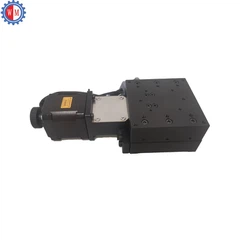
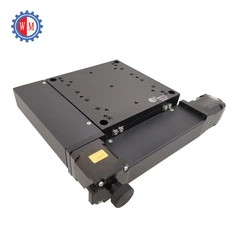
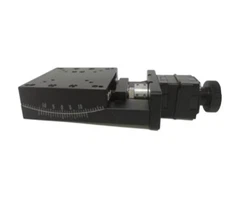
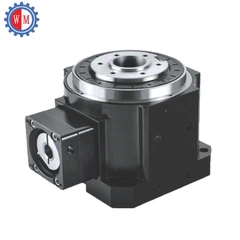
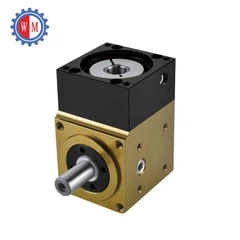
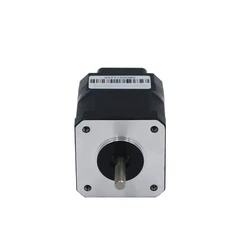


Hey there! As a supplier of Integrated Motor Drives, I often get asked whether these drives need to pass certain certifications. Well, let's dive right into this topic and break it down.
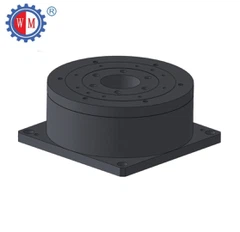
First off, what exactly is an Integrated Motor Drive? It's a compact unit that combines a motor and a drive into one package. This integration offers several benefits, like saving space, reducing wiring complexity, and improving overall system efficiency. But when it comes to certifications, do they really matter?
The short answer is yes, they do. Certifications serve as a mark of quality and compliance. They tell customers that the product has met specific standards set by recognized organizations. For us as a supplier, getting these certifications is like getting a seal of approval that our Integrated Motor Drives are safe, reliable, and perform as advertised.
One of the most well - known certifications in the electrical and electronics industry is the CE certification. The CE mark indicates that the product complies with the essential health and safety requirements of the European Union. This is crucial if you're planning to sell your Integrated Motor Drives in the EU market. Without the CE certification, it's almost impossible to legally import and sell your products in many European countries.
Another important certification is UL (Underwriters Laboratories) certification. UL is a US - based organization that tests and certifies products for safety. In the United States, many industries and customers require UL - listed products. For example, in the industrial automation sector, companies want to make sure that the equipment they use meets high safety standards. An Integrated Motor Drive with UL certification gives them that peace of mind.
There are also industry - specific certifications. For instance, if your Integrated Motor Drives are used in the automotive industry, they might need to meet ISO/TS 16949 standards. This standard focuses on quality management systems for automotive production and relevant service part organizations. Complying with this certification shows that your product can withstand the rigorous demands of the automotive manufacturing process.
Let's talk about the benefits of having these certifications from a customer's perspective. When a customer is looking to buy an Integrated Motor Drive, they want to know that they're making a smart investment. Certifications act as a quality indicator. A certified product is more likely to be reliable, have a longer lifespan, and perform better. It also reduces the risk of product failures, which can lead to costly downtime in industrial applications.
From our side as a supplier, getting these certifications is not just about meeting regulatory requirements. It's also a way to stay competitive in the market. In today's global marketplace, customers have a wide range of options. By having our Integrated Motor Drives certified, we can differentiate ourselves from non - certified competitors. It shows that we're committed to quality and safety.
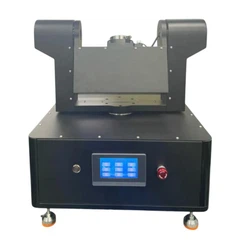
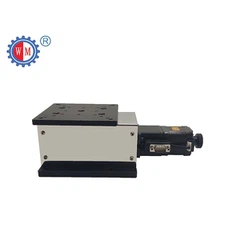
Now, I want to take a moment to mention some of our specific products. We have the Modbus RS485 Stepper Driver for Nema 23. This driver is designed to work seamlessly with Nema 23 stepper motors. It offers precise control and is suitable for a variety of applications, from 3D printers to small robotic systems. And yes, it comes with all the necessary certifications to ensure its quality and safety.


Another great product we have is the Programmable Modbus RS485 Motor Drive. This drive is highly customizable, allowing users to program it according to their specific requirements. It's also certified to meet industry standards, so you can trust it for your industrial automation needs.
But getting these certifications is not without its challenges. The certification process can be time - consuming and expensive. It involves a series of tests and inspections by the certifying bodies. You need to ensure that your product design, manufacturing process, and quality control measures all meet the standards. There might also be ongoing requirements to maintain the certification, such as regular audits.
However, the long - term benefits far outweigh the initial challenges. Once you have the certifications, you open up new markets and gain the trust of more customers. It also helps you improve your internal processes, as you strive to meet the high standards set by the certifying organizations.
In conclusion, an Integrated Motor Drive definitely needs to pass certain certifications. These certifications are not just pieces of paper; they are a testament to the quality, safety, and reliability of your product. Whether you're a customer looking for a reliable motor drive or a supplier aiming to stand out in the market, certifications play a crucial role.
If you're interested in our Integrated Motor Drives, whether it's the Modbus RS485 Stepper Driver for Nema 23 or the Programmable Modbus RS485 Motor Drive, we'd love to have a chat with you. Feel free to reach out to us to discuss your specific needs and how our certified products can fit into your applications. Let's work together to find the best solution for your motor drive requirements.
References
- CE Certification Guidelines
- UL Certification Handbook
- ISO/TS 16949 Standard Documentation


