
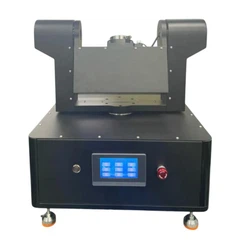
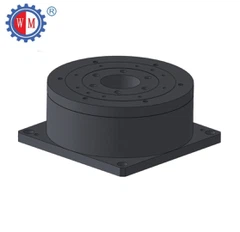
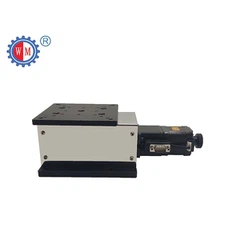
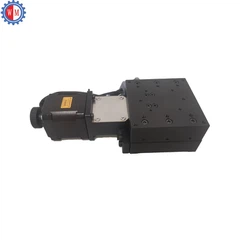



Hey there! As a supplier of manual stages, I often get asked about the materials used to make these nifty devices. Manual stages are essential in various fields, from microscopy to precision engineering, and the materials play a crucial role in their performance. So, let's dive right in and explore what goes into making a top - notch manual stage.
Metals: The Backbone of Manual Stages
Metals are the most commonly used materials for manual stages, and for good reason. They offer excellent strength, durability, and stability, which are vital for precise movement and long - term use.


Aluminum
Aluminum is a popular choice for many manual stages. It's lightweight, which makes the stage easier to handle and move around. This is especially important if you need to reposition the stage frequently or if it's part of a larger, portable setup. Despite its low weight, aluminum is still quite strong. It can withstand the stresses of regular use without deforming easily.
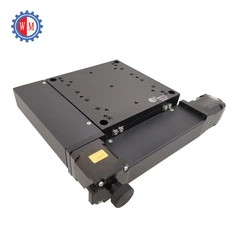
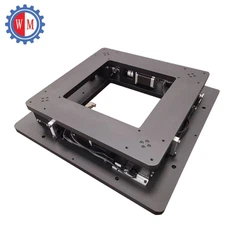
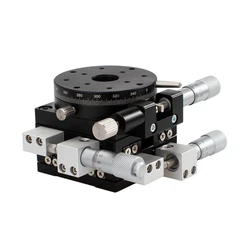
Another great thing about aluminum is its corrosion resistance. This means that the stage can be used in different environments, including those with a bit of moisture, without rusting or deteriorating quickly. Many of our Manual XY Motion Stage models use high - quality aluminum for their frames, providing a solid base for precise X and Y axis movements.
Stainless Steel
Stainless steel is another metal that's widely used in manual stage construction. It's known for its exceptional strength and resistance to corrosion. Unlike some other metals, stainless steel can handle harsh chemicals and extreme temperatures without losing its integrity.
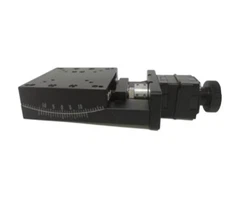
This makes it ideal for use in industrial and scientific applications where the stage might be exposed to tough conditions. For example, in a chemical laboratory, a manual stage made of stainless steel can resist the corrosive effects of various chemicals. Our Single - Axis Manual Translation Stage often features stainless steel components for the lead screws and other critical parts, ensuring smooth and reliable single - axis movement over a long period.
Brass
Brass is a metal alloy that combines copper and zinc. It has a low friction coefficient, which means that parts made of brass can move smoothly against each other. This property is extremely useful in manual stages, where smooth movement is essential for accurate positioning.
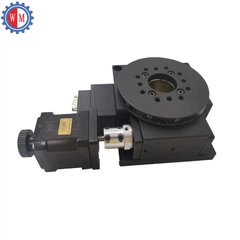
Brass is also relatively easy to machine, allowing for the creation of complex shapes and precise components. In many manual stages, brass is used for gears, nuts, and other small parts that require smooth operation. For instance, the gears in our Manual Rotating Stage are often made of brass to ensure smooth and precise rotation.
Plastics: Lightweight and Versatile
While metals are the mainstay of manual stage construction, plastics also have their place. They offer some unique advantages that make them suitable for certain applications.
Acrylic
Acrylic is a clear, lightweight plastic that's often used for the covers and enclosures of manual stages. It provides a protective barrier while allowing users to see the internal components. This is useful for inspection and maintenance purposes.
Acrylic is also easy to clean and resistant to scratches, which helps to keep the stage looking good and functioning properly. In some of our manual stages, acrylic covers are used to protect the delicate internal mechanisms from dust and debris while still allowing for visual inspection.
Polycarbonate
Polycarbonate is a strong and impact - resistant plastic. It can withstand a fair amount of force without cracking or breaking, making it a good choice for parts that might be subject to accidental impacts.
In manual stages, polycarbonate can be used for handles and knobs. These parts need to be durable enough to withstand repeated use and occasional rough handling. Polycarbonate knobs on our manual stages provide a comfortable grip and can last for a long time, even with frequent adjustments.
Ceramics: Precision and Stability
Ceramics are not as commonly used as metals and plastics in manual stages, but they offer some unique properties that make them valuable in certain high - precision applications.
Alumina Ceramics
Alumina ceramics are known for their high hardness and excellent dimensional stability. They have a very low coefficient of thermal expansion, which means that their size changes very little with temperature variations.
This property is crucial in applications where precise positioning is required, even in environments with fluctuating temperatures. In some high - end manual stages, alumina ceramic components are used for bearings and other parts that need to maintain their shape and position accurately over a wide range of temperatures.
Composites: Combining the Best of Both Worlds
Composite materials are made by combining two or more different materials to create a material with improved properties. In the context of manual stages, composites can offer a balance of strength, lightness, and stiffness.
Carbon Fiber Composites
Carbon fiber composites are extremely strong and lightweight. They have a high strength - to - weight ratio, which means that they can provide the same level of strength as a much heavier metal component while being significantly lighter.
In some of our advanced manual stages, carbon fiber composites are used for the frames or structural components. This reduces the overall weight of the stage without sacrificing its strength or stability, making it easier to handle and more suitable for applications where weight is a concern.
Why Material Choice Matters
The choice of materials in a manual stage can have a significant impact on its performance. For example, a stage made of high - quality metals will be more durable and stable, which is essential for long - term use and accurate positioning. On the other hand, a stage with plastic components might be lighter and more affordable, but it might not be as robust in harsh environments.
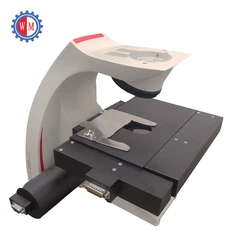
When you're choosing a manual stage, it's important to consider the specific requirements of your application. If you need a stage for a precision microscopy setup, you might want to opt for a stage with high - precision metal components and ceramic bearings for maximum accuracy. If portability is your main concern, a stage with lightweight aluminum or carbon fiber composite parts might be a better choice.
Conclusion
As you can see, there are a variety of materials used to make manual stages, each with its own unique properties and advantages. Whether it's the strength of metals, the lightness of plastics, the precision of ceramics, or the versatility of composites, the right material choice can make a big difference in the performance of your manual stage.
If you're in the market for a manual stage and want to learn more about the materials and how they can meet your specific needs, don't hesitate to reach out. We're here to help you find the perfect manual stage for your application. Whether you need a Manual Rotating Stage, a Manual XY Motion Stage, or a Single - Axis Manual Translation Stage, we've got you covered.
References
- "Materials Science and Engineering: An Introduction" by William D. Callister Jr. and David G. Rethwisch
- Industry reports on precision motion control components


