

Can motorized 2 axis stages be used in laser processing? You bet they can! As a supplier of Motorized 2 Axis Stages, I've seen firsthand how these nifty devices play a crucial role in laser processing applications. In this blog, I'll break down the ins and outs of using motorized 2 axis stages in laser processing, from the basics to the real - world benefits.
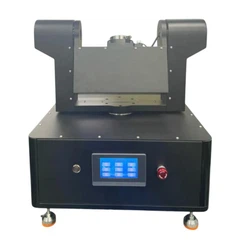
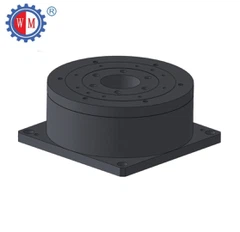
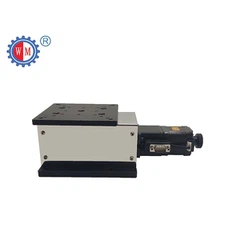
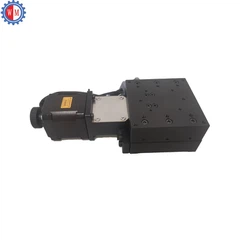
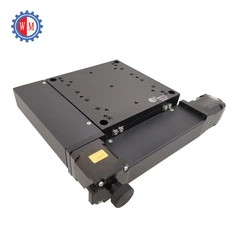
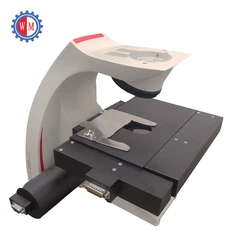
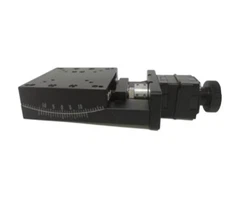
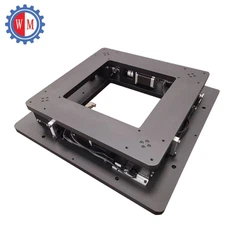
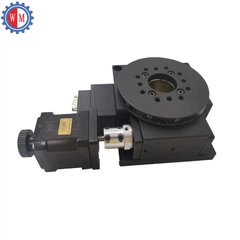
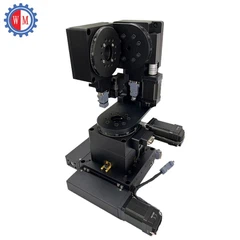
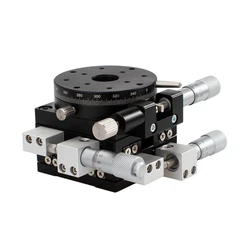
Let's start with the basics. What are motorized 2 axis stages? Well, they're essentially precision positioning devices that can move along two axes, usually the X and Y axes. Think of them as super - accurate tables that can carry objects and move them precisely where you want them to go. There are different types, like the Precision Xy Positioning Table, Motorized Xy Linear Stage, and Motorized Xy Translation Stage. Each type has its own features and is designed to meet different needs in various industries.
Now, onto laser processing. Laser processing is a technology that uses lasers to cut, engrave, mark, or weld materials. It's used in a wide range of industries, from manufacturing and electronics to jewelry making and medical device production. The key to successful laser processing is precision. You need to be able to control exactly where the laser hits the material, and that's where motorized 2 axis stages come in.
One of the main advantages of using motorized 2 axis stages in laser processing is precision. These stages can move with extremely high accuracy, often down to the micrometer level. This means that you can create detailed and precise cuts, engravings, or markings on your materials. For example, in the electronics industry, you might need to make tiny, intricate cuts on circuit boards. A motorized 2 axis stage can ensure that the laser hits the right spots every time, resulting in high - quality products.
Another benefit is repeatability. Once you've set up a specific movement pattern on the motorized 2 axis stage, it can repeat that pattern over and over again with the same level of accuracy. This is crucial in mass production environments. Let's say you're manufacturing a batch of jewelry pieces with laser - engraved designs. You can program the stage to move the pieces in a specific way so that each piece gets the same beautiful engraving. This not only saves time but also ensures consistency in your products.
Speed is also a factor. Motorized 2 axis stages can move relatively quickly, which means that you can increase your production rate. In a manufacturing setting, time is money, and being able to process materials faster can give you a competitive edge. For instance, if you're using a laser to cut sheets of metal for a construction project, a fast - moving motorized 2 axis stage can help you complete the job in less time.
In addition to precision, repeatability, and speed, motorized 2 axis stages offer flexibility. They can be easily integrated with different types of laser processing systems. Whether you're using a CO2 laser, a fiber laser, or a solid - state laser, you can find a motorized 2 axis stage that will work well with your setup. This flexibility allows you to customize your laser processing system according to your specific needs.
Let's talk about some real - world applications. In the automotive industry, motorized 2 axis stages are used in laser welding and cutting processes. For example, when manufacturing car body parts, lasers are used to weld different components together. The motorized 2 axis stage ensures that the laser is precisely positioned to create strong and reliable welds. In the medical field, these stages are used in the production of medical devices. Laser cutting and engraving are used to create parts for surgical instruments and implants. The high precision of the motorized 2 axis stage is essential for ensuring the safety and functionality of these medical products.
However, like any technology, there are some considerations when using motorized 2 axis stages in laser processing. One of the main things to think about is the load capacity. You need to make sure that the stage can handle the weight of the materials you're processing. If you're working with large and heavy pieces of metal, for example, you'll need a stage with a high load capacity.


Another consideration is the environment. Laser processing can generate heat, dust, and other contaminants. You need to choose a motorized 2 axis stage that is designed to withstand these conditions. Some stages come with protective enclosures or special coatings to prevent damage from heat and dust.
Maintenance is also important. Regular maintenance of the motorized 2 axis stage can ensure its long - term performance. This might include lubricating the moving parts, checking the electrical connections, and calibrating the position sensors. By taking good care of your stage, you can avoid costly breakdowns and keep your laser processing system running smoothly.
To sum it up, motorized 2 axis stages are a great addition to laser processing systems. They offer precision, repeatability, speed, and flexibility, which are all essential for successful laser processing. Whether you're in a small - scale workshop or a large - scale manufacturing plant, these stages can help you improve your production quality and efficiency.
If you're interested in incorporating motorized 2 axis stages into your laser processing setup, I'd love to have a chat with you. We can discuss your specific needs, the best type of stage for your application, and how to get the most out of your investment. Don't hesitate to reach out and start a conversation about how we can work together to take your laser processing to the next level.
References
- Smith, J. (2020). Laser Processing Technology. Industrial Press.
- Jones, A. (2021). Precision Positioning Systems: Applications and Advancements. Journal of Manufacturing Science.


