

Can I operate a motorized lift stage by myself?
Hey there! I'm a supplier of motorized lift stages, and I get this question a lot: "Can I operate a motorized lift stage by myself?" Well, let's dig into this and find out.
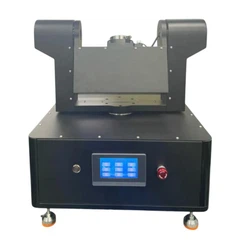
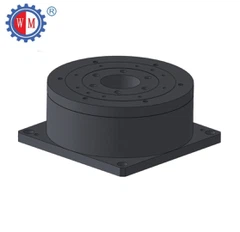
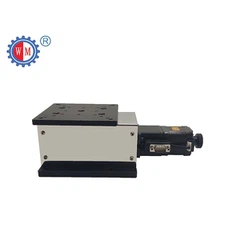
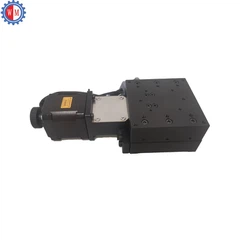
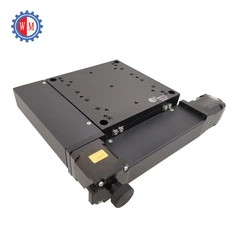
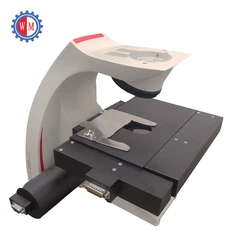
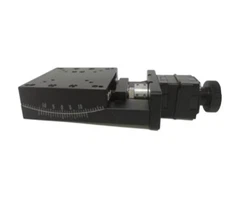
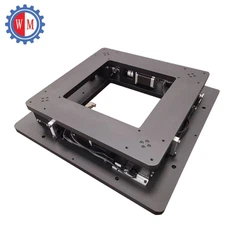
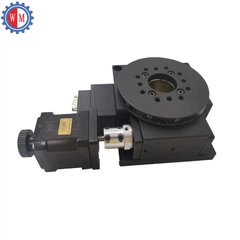
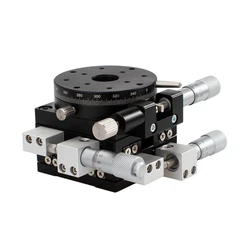
First off, what exactly is a motorized lift stage? It's a device that can move objects up and down or in other directions with the help of a motor. These stages are super useful in all sorts of industries, like manufacturing, research labs, and even in some high - tech home setups. We offer different types of motorized lift stages, such as the Heavy Load Lab Scissor Jack, the High Precision Motorized Z Stage, and the Motor Z Translation Stage. Each one has its own unique features and is designed for specific tasks.
Now, back to the question: can you operate it by yourself? The short answer is, it depends.
Factors to Consider
1. Complexity of the Stage
Some motorized lift stages are relatively simple. For example, the ones used in small - scale DIY projects or basic lab experiments might have straightforward controls. They could have just a few buttons for up, down, start, and stop. If you're dealing with a stage like this, it's quite possible that you can operate it on your own. You just need to read the user manual carefully, understand the basic functions, and you're good to go.
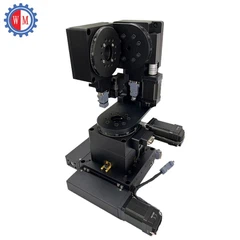
On the other hand, more advanced motorized lift stages, especially those used in industrial or high - precision research settings, can be extremely complex. These stages might have multiple axes of movement, programmable settings, and require integration with other equipment. Operating them alone can be a real challenge. You need to have a good understanding of engineering principles, electronics, and sometimes even software programming. For instance, if you're using a high - precision motorized Z stage for a nanotechnology research project, you'll likely need to have some specialized knowledge to ensure accurate and safe operation.
2. Safety Concerns
Safety should always be your top priority when operating any kind of machinery, and motorized lift stages are no exception. If the stage is lifting heavy loads, there's a risk of the load falling if not properly secured or if the stage malfunctions. There could also be electrical hazards associated with the motor and control systems.
If you're operating a stage by yourself, you need to make sure you're following all the safety guidelines. This includes wearing appropriate safety gear, like gloves and safety glasses, and making sure the stage is set up on a stable surface. You also need to be aware of emergency stop procedures in case something goes wrong. For example, if you're using a heavy - load lab scissor jack to lift a large piece of equipment, you need to double - check that the load is evenly distributed and the jack is properly locked in place before starting the lift.
3. Training and Experience
Your level of training and experience plays a huge role. If you've had previous experience with similar equipment or have received proper training on the specific motorized lift stage you're using, you're more likely to be able to operate it by yourself. Many suppliers, including us, offer training programs for their customers. These programs can teach you everything from basic operation to troubleshooting common problems.
However, if you're completely new to motorized lift stages, it might be a good idea to have someone with more experience around, at least in the beginning. They can guide you through the process, answer your questions, and help you avoid making costly mistakes.
Steps to Operate Alone
If you've decided that you want to try operating a motorized lift stage by yourself, here are some steps you can follow:
1. Read the Manual
This might seem obvious, but it's really important. The user manual will give you all the information you need about the stage, including its features, specifications, and operating procedures. Make sure you read it thoroughly before you start using the stage.
2. Inspect the Stage
Before you turn on the stage, give it a good inspection. Check for any visible damage, loose parts, or signs of wear and tear. Make sure all the connections are secure and the power supply is properly connected.
3. Start with Simple Operations
If the stage has multiple functions, start with the simplest ones first. For example, just practice moving the stage up and down a few times to get a feel for how it works. As you become more comfortable, you can start exploring the more advanced features.
4. Keep Learning
Even if you're able to operate the stage by yourself, there's always more to learn. Keep reading up on new technologies and best practices related to motorized lift stages. This will not only make you a better operator but also help you get the most out of your stage.
When You Might Need Help
There are certain situations where it's definitely a good idea to get some help:
1. Installation and Setup
Installing and setting up a motorized lift stage can be a complicated process, especially if it involves mounting the stage on a specific surface or integrating it with other equipment. It's often best to have a professional or someone with experience do this part. They can ensure that the stage is installed correctly and safely, which will save you a lot of headaches in the long run.
2. Troubleshooting
If you run into a problem with the stage, like it's not moving correctly or there's an error message on the control panel, it can be difficult to figure out what's wrong on your own. In this case, it's a good idea to contact the supplier's technical support team. They have the expertise to diagnose and fix the problem quickly.


3. Upgrades and Modifications
If you want to upgrade the stage or make some modifications to it, it's usually best to have a professional involved. They can make sure that the changes are made safely and that the stage continues to function properly.
Conclusion
So, can you operate a motorized lift stage by yourself? It's possible in some cases, but it's important to consider the complexity of the stage, safety concerns, and your own training and experience. If you're confident in your abilities and take all the necessary precautions, you might be able to handle it on your own. But don't be afraid to ask for help when you need it.
If you're interested in purchasing a motorized lift stage or have any questions about our products, feel free to reach out to us. We're here to help you find the right stage for your needs and provide all the support you need for a successful operation.
References
- General knowledge of motorized lift stage technology and safety standards.
- Manufacturer's user manuals for various motorized lift stages.


