

In the realm of mechanical engineering, precision is often the linchpin that holds together the successful operation of various applications. One component that frequently comes into play in these high - precision scenarios is the right angle reducer. As a supplier of right angle reducers, I've had the privilege of witnessing firsthand the diverse uses and capabilities of these devices. This blog aims to explore the question: Can a right angle reducer be used in a high - precision application?
Understanding Right Angle Reducers
Before delving into their suitability for high - precision applications, it's essential to understand what right angle reducers are. Right angle reducers are mechanical devices that change the direction of the input shaft by 90 degrees while reducing the speed and increasing the torque. They are commonly used in a wide range of industries, from manufacturing and robotics to aerospace and automotive.
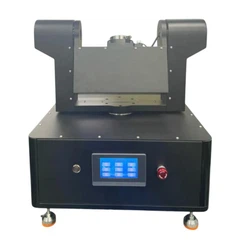
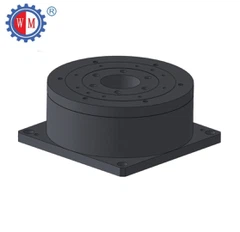
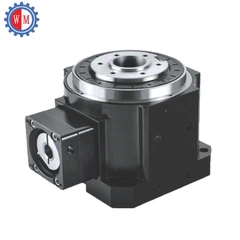
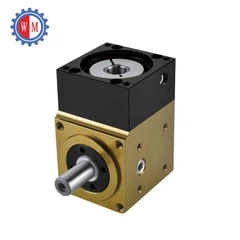
There are different types of right angle reducers available in the market. For instance, the Hollow Solid Shaft Right Angle Reducer offers unique advantages. The hollow shaft design allows for easy installation of other components, such as shafts or cables, through the center of the reducer. This can be particularly useful in applications where space is limited or where a more compact design is required.
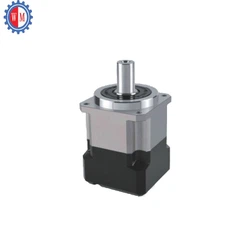
Another type is the Gear Head Speed Reducer. Gear head speed reducers use gears to achieve the speed reduction and torque increase. They are known for their durability and ability to handle high loads. Different gear types, such as bevel gears, worm gears, and helical gears, can be used in these reducers, each with its own set of characteristics.
Requirements for High - Precision Applications
High - precision applications demand a high level of accuracy, repeatability, and reliability. In fields like semiconductor manufacturing, where the production of microchips requires extremely precise movements, or in medical equipment, where patient safety depends on accurate and consistent operation, any deviation from the desired specifications can have significant consequences.
Accuracy refers to how closely the actual output of a system matches the desired output. For example, in a robotic arm used for pick - and - place operations in a factory, the arm needs to move to a specific position with a high degree of accuracy. Repeatability is the ability of a system to produce the same output consistently over multiple cycles. In a CNC machining center, for instance, the machine must be able to cut the same part to the same dimensions every time.


Reliability is also crucial in high - precision applications. A system that breaks down frequently or experiences unexpected failures can disrupt production, cause delays, and result in significant financial losses. Components used in these applications need to be able to withstand the rigors of continuous operation and environmental factors such as temperature, humidity, and vibration.
Can Right Angle Reducers Meet High - Precision Requirements?
The answer to whether right angle reducers can be used in high - precision applications is a resounding yes, but with certain considerations.
Accuracy
Modern right angle reducers are designed with high - precision manufacturing techniques. Advanced machining processes ensure that the gears are cut with extremely tight tolerances, resulting in accurate speed reduction ratios and smooth operation. For example, bevel gears in a right angle reducer can be ground to a high degree of precision, minimizing backlash (the amount of play between the gears). Low backlash is essential in high - precision applications as it reduces the error in the output motion.
Some right angle reducers also incorporate features such as pre - loading, which helps to eliminate any play in the gears and bearings. This further enhances the accuracy of the reducer and ensures that the output shaft moves precisely as required.
Repeatability
The design and construction of right angle reducers contribute to their repeatability. The use of high - quality materials and precise manufacturing processes ensures that the performance of the reducer remains consistent over time. Once the reducer is properly installed and calibrated, it can provide the same speed reduction and torque output with a high degree of repeatability.
For example, in a robotic joint where a right angle reducer is used to control the movement, the reducer will consistently rotate the joint to the same position within a very small margin of error. This repeatability is crucial for tasks that require multiple cycles of the same motion, such as in assembly lines or automated testing equipment.
Reliability
Right angle reducers are built to be reliable. They are often constructed with robust materials such as high - strength steel or aluminum alloys, which can withstand high loads and harsh operating conditions. Additionally, proper lubrication and sealing are essential for the long - term reliability of the reducer.
Many right angle reducers are designed with features that enhance their resistance to environmental factors. For example, some reducers are sealed to prevent the ingress of dust, dirt, and moisture, which can cause wear and damage to the gears and bearings. This helps to extend the service life of the reducer and reduces the likelihood of unexpected failures.
Factors to Consider When Using Right Angle Reducers in High - Precision Applications
While right angle reducers can be suitable for high - precision applications, there are several factors that need to be considered.
Backlash
As mentioned earlier, backlash can affect the accuracy of a right angle reducer. In high - precision applications, low - backlash reducers are often preferred. However, completely eliminating backlash can be challenging and may come at a higher cost. It's important to strike a balance between the level of backlash and the cost of the reducer based on the specific requirements of the application.
Torque Capacity
The torque capacity of the right angle reducer must be carefully matched to the requirements of the application. If the reducer is under - sized, it may not be able to handle the load, leading to premature failure. On the other hand, an over - sized reducer can be more expensive and may add unnecessary weight and bulk to the system.
Environmental Conditions
The operating environment can have a significant impact on the performance and lifespan of a right angle reducer. High temperatures, humidity, dust, and vibration can all affect the lubrication, materials, and mechanical components of the reducer. It's important to select a reducer that is designed to withstand the specific environmental conditions of the application.
Conclusion
In conclusion, right angle reducers can indeed be used in high - precision applications. Their ability to provide accurate speed reduction, high repeatability, and reliable operation makes them a viable choice for many industries that demand precision. However, careful consideration must be given to factors such as backlash, torque capacity, and environmental conditions to ensure optimal performance.
If you are in the market for a right angle reducer for your high - precision application, we are here to help. Our team of experts can assist you in selecting the right reducer based on your specific requirements. We offer a wide range of high - quality right angle reducers that are designed to meet the demands of even the most challenging applications. Contact us today to start a discussion about your project and explore how our products can fit your needs.
References
- Groover, M. P. (2010). Fundamentals of Modern Manufacturing: Materials, Processes, and Systems. John Wiley & Sons.
- Norton, R. L. (2004). Machine Design: An Integrated Approach. Prentice Hall.


