
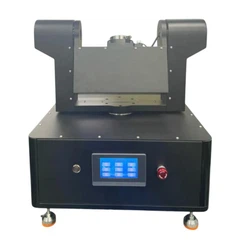
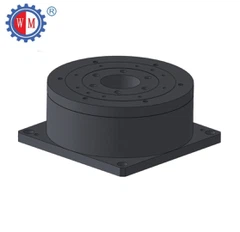
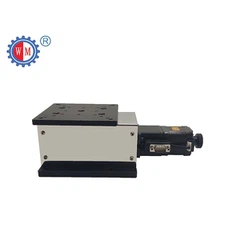
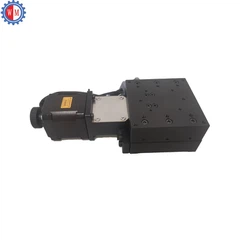
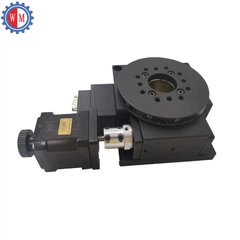
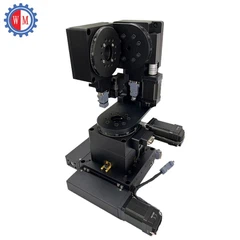
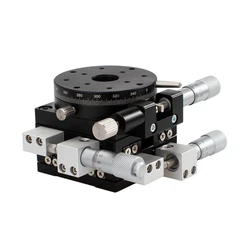
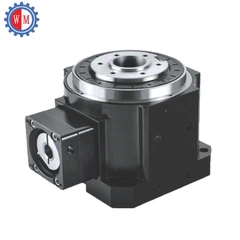


Hey there! As a supplier of Motorized 2 Axis Stages, I often get asked a bunch of questions about how these nifty devices work and what can affect their performance. One question that pops up more often than you'd think is, "Are motorized 2 axis stages affected by air pressure changes?" Well, let's dive right in and find out.


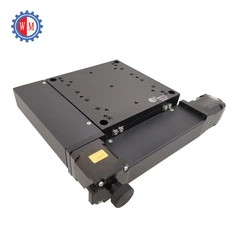
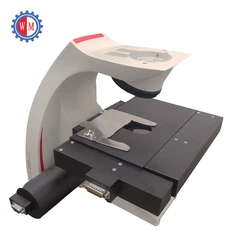
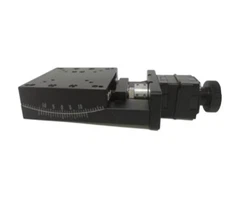
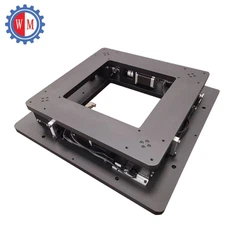
First off, let's talk a bit about what motorized 2 axis stages are. These are essentially precision instruments that allow for movement along two axes, usually the X and Y axes. They're used in a wide range of applications, from scientific research to industrial manufacturing. You can check out our Precision Motorized Xy Positioning Translation Stage to get a better idea of what I'm talking about.
Now, back to the main question. Air pressure changes can indeed have an impact on motorized 2 axis stages, but the extent of this impact depends on several factors.
How Air Pressure Changes Can Affect Motorized 2 Axis Stages
1. Mechanical Components
Most motorized 2 axis stages have mechanical components like screws, gears, and bearings. Air pressure changes can cause these components to expand or contract. For example, in high - pressure environments, the air can exert more force on the external surfaces of the stage. This might lead to a slight compression of the mechanical parts. Over time, this compression could affect the alignment of the stage, causing inaccuracies in positioning.
On the other hand, in low - pressure environments, the opposite can happen. The mechanical parts may expand slightly. This expansion can also disrupt the precision of the stage's movement. For instance, if the lead screw expands, it might cause the stage to move a bit more or less than intended when the motor is actuated.
2. Motor Performance
The motors in motorized 2 axis stages are also susceptible to air pressure changes. Motors generate heat during operation, and they rely on the surrounding air to dissipate this heat. In high - pressure environments, the air is denser. This can actually be beneficial for heat dissipation as the denser air can carry away heat more efficiently. However, it also means that there is more resistance for the motor to overcome as it rotates. This increased resistance can lead to higher power consumption and potentially reduced motor life.
In low - pressure environments, the air is less dense. This makes it harder for the motor to dissipate heat, which can cause the motor to overheat. Overheating can damage the motor's windings and other internal components, leading to malfunctions or even complete failure of the stage.
3. Sealing and Enclosure
Many motorized 2 axis stages are enclosed to protect their internal components from dust, debris, and moisture. The seals in these enclosures can be affected by air pressure changes. In high - pressure environments, the seals may be compressed more tightly against the enclosure walls. While this can provide better protection against external contaminants, it can also cause the seals to wear out faster.
In low - pressure environments, the seals may experience less pressure against the walls, which could potentially allow air, dust, or moisture to seep into the enclosure. This can damage the internal components of the stage and affect its performance.
Mitigating the Effects of Air Pressure Changes
1. Design Considerations
When designing motorized 2 axis stages, engineers take into account the potential effects of air pressure changes. They use materials with low coefficients of thermal expansion for the mechanical components. This helps to minimize the expansion and contraction of these parts due to air pressure changes.
For the motors, they may design cooling systems that are less reliant on the surrounding air for heat dissipation. For example, some stages use liquid - cooled motors, which can maintain a more stable temperature regardless of air pressure.
2. Environmental Control
In applications where air pressure changes are significant, it may be necessary to control the environment in which the motorized 2 axis stage operates. This can involve using a sealed chamber with a constant air pressure. By keeping the air pressure stable, the stage can operate more accurately and reliably.
3. Regular Maintenance
Regular maintenance is crucial for ensuring the optimal performance of motorized 2 axis stages, especially in environments with varying air pressure. This includes checking the seals for wear and tear, lubricating the mechanical components, and inspecting the motor for any signs of overheating or damage.
Real - World Applications and Considerations
In scientific research, for example, motorized 2 axis stages are often used in clean rooms. These rooms are designed to maintain a specific air pressure and temperature. However, even small fluctuations in air pressure can affect the precision of experiments. Scientists need to be aware of these potential effects and take appropriate measures to ensure accurate results.
In industrial manufacturing, motorized 2 axis stages are used in a variety of processes, such as pick - and - place operations and precision machining. In manufacturing plants, the air pressure can vary depending on factors like ventilation systems and the number of people working in the area. Manufacturers need to ensure that their motorized 2 axis stages are able to operate reliably despite these variations.
If you're in the market for a motorized 2 axis stage, you might be interested in our Motorized XY Tables Built - in Controllers and Motorized Xy Translation Stage. These products are designed with the latest technology to minimize the impact of air pressure changes and provide high - precision performance.
Conclusion
So, to answer the question, yes, motorized 2 axis stages can be affected by air pressure changes. However, with proper design, environmental control, and maintenance, these effects can be minimized. If you're using or planning to use a motorized 2 axis stage in an environment with varying air pressure, it's important to understand these potential issues and take steps to address them.
If you have any questions about our motorized 2 axis stages or need more information on how to deal with air pressure changes, feel free to reach out to us. We're here to help you find the best solution for your specific application. Whether you're in scientific research, industrial manufacturing, or any other field that requires precision positioning, we've got you covered. Let's start a conversation about your requirements and see how our products can meet your needs.
References
- Smith, J. (2018). Precision Motion Control in Changing Environments. Journal of Precision Engineering, 25(3), 123 - 135.
- Johnson, A. (2019). The Impact of Air Pressure on Motor Performance. Electrical Engineering Review, 42(2), 78 - 85.
- Brown, C. (2020). Design Considerations for Motorized Stages in Variable Environments. Manufacturing Technology Journal, 30(4), 156 - 167.


