
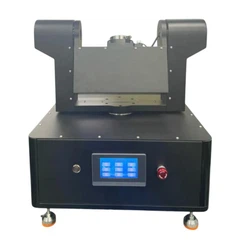
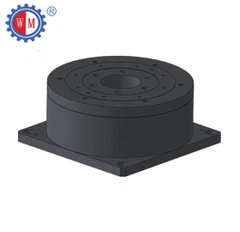
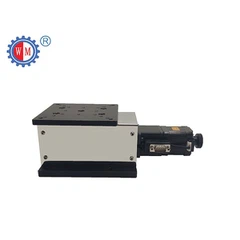


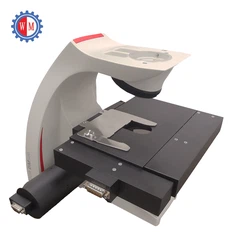



When it comes to the platform of a motorized lab jack, the choice of materials is crucial as it directly impacts the performance, durability, and functionality of the equipment. As a leading supplier of motorized lab jacks, we understand the significance of using high - quality materials to ensure the best results for our customers. In this blog, we will explore the various materials commonly used to make the platform of a motorized lab jack.
Aluminum
Aluminum is one of the most popular materials for the platform of motorized lab jacks. It offers several advantages that make it an ideal choice in laboratory settings. Firstly, aluminum is lightweight. This characteristic is beneficial as it makes the motorized lab jack easier to move and reposition within the laboratory. A lighter platform also reduces the overall load on the motor and the lifting mechanism, which can contribute to a longer lifespan of the equipment.
Secondly, aluminum has good corrosion resistance. In a laboratory environment, there are often various chemicals and substances that could potentially cause corrosion. Aluminum forms a thin oxide layer on its surface, which acts as a protective barrier against corrosion. This ensures that the platform remains in good condition over time, even when exposed to different chemicals.


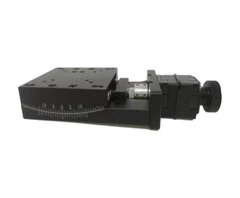
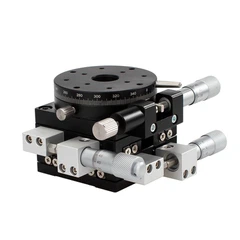
Moreover, aluminum is relatively easy to machine. This allows for precise manufacturing of the platform, ensuring that it meets the exact specifications required for the motorized lab jack. The ability to machine aluminum accurately also enables the creation of complex shapes and features on the platform, such as mounting holes for additional equipment. For example, some of our Motor Z Translation Stage models feature aluminum platforms that are precisely machined to provide smooth and accurate movement.
Stainless Steel
Stainless steel is another material commonly used for the platform of motorized lab jacks. It is known for its high strength and excellent corrosion resistance. In laboratory applications where the platform may be exposed to harsh chemicals or high - humidity environments, stainless steel is a reliable choice.
The strength of stainless steel allows the platform to support heavy loads without deforming. This is particularly important in laboratories where large and heavy equipment needs to be placed on the motorized lab jack. For instance, in some industrial research laboratories, large - scale analytical instruments may be mounted on the platform, and a stainless - steel platform can ensure stable support.
In addition to its strength and corrosion resistance, stainless steel has a clean and professional appearance. This is important in laboratory settings where a high - standard and hygienic environment is required. The smooth surface of stainless steel is also easy to clean, which helps to maintain a sterile and contamination - free workspace. Our Short Travel Motorized Vertical Positioning Stage with a stainless - steel platform provides both durability and an aesthetically pleasing look.
Cast Iron
Cast iron has been used in the manufacturing of laboratory equipment for a long time, and it is also a viable option for the platform of a motorized lab jack. Cast iron is extremely heavy and has high mass, which provides excellent stability. When the motorized lab jack is in operation, the heavy platform helps to reduce vibrations and ensure smooth movement.
This stability is crucial in applications where precise positioning is required. For example, in microscopy laboratories, even the slightest vibration can affect the quality of the images. A cast - iron platform can minimize such vibrations, allowing for more accurate observations.
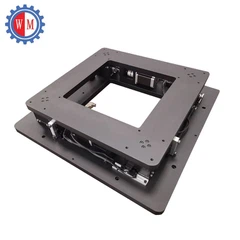
Cast iron also has good heat - dissipation properties. In some laboratory processes, heat may be generated, and a platform made of cast iron can effectively dissipate this heat, preventing overheating of the equipment. However, cast iron is relatively brittle compared to aluminum and stainless steel. Care must be taken during handling and installation to avoid cracking or chipping the platform. Our Motorized Lift Stage with a cast - iron platform offers outstanding stability for heavy - duty applications.
Composite Materials
In recent years, composite materials have started to gain popularity in the manufacturing of motorized lab jack platforms. Composite materials are made by combining two or more different materials to achieve specific properties. For example, a composite material may consist of a polymer matrix reinforced with fibers such as carbon fiber or glass fiber.
One of the main advantages of composite materials is their high strength - to - weight ratio. They can provide a high level of strength while being relatively lightweight, similar to aluminum. This makes them suitable for applications where both strength and portability are important.
Composite materials also have good chemical resistance and can be designed to have specific electrical or thermal properties. For example, in some electronic testing laboratories, a composite platform with low electrical conductivity may be required to prevent interference with the testing equipment.
Considerations in Material Selection
When choosing the material for the platform of a motorized lab jack, several factors need to be considered. Firstly, the load capacity requirements are crucial. If heavy loads need to be supported, materials such as stainless steel or cast iron may be more appropriate. On the other hand, if portability is a key factor, aluminum or composite materials may be the better choice.
The operating environment is also an important consideration. In a corrosive environment, materials with high corrosion resistance, such as stainless steel or aluminum, should be selected. In a high - vibration environment, a heavy and stable material like cast iron may be beneficial.
Cost is another factor that cannot be ignored. Different materials have different costs associated with them. Aluminum is generally more cost - effective compared to stainless steel and cast iron, while composite materials may have a higher initial cost but can offer long - term savings due to their durability and performance.
As a supplier of motorized lab jacks, we offer a wide range of products with different platform materials to meet the diverse needs of our customers. Whether you need a lightweight and portable motorized lab jack for a small - scale laboratory or a heavy - duty one for industrial applications, we have the right solution for you.
If you are interested in our motorized lab jacks or have any questions about the materials used in our products, we encourage you to contact us for a detailed discussion. Our team of experts is ready to assist you in selecting the most suitable motorized lab jack for your specific requirements. We look forward to the opportunity to work with you and provide you with high - quality laboratory equipment.
References
- Callister, W. D., & Rethwisch, D. G. (2010). Materials Science and Engineering: An Introduction. Wiley.
- Ashby, M. F. (2011). Materials Selection in Mechanical Design. Butterworth - Heinemann.


