


Vibration is a common issue in mechanical systems, and right angle reducers are no exception. As a supplier of right angle reducers, I understand the importance of vibration reduction measures to ensure the smooth operation and longevity of our products. In this blog post, I will discuss the various vibration reduction measures for right angle reducers.
Understanding the Causes of Vibration in Right Angle Reducers
Before delving into the vibration reduction measures, it is essential to understand the root causes of vibration in right angle reducers. There are several factors that can contribute to vibration, including:
- Imbalance: Imbalance in the rotating components of the reducer, such as gears, shafts, or pulleys, can cause significant vibration. This imbalance can be due to manufacturing errors, uneven wear, or improper installation.
- Misalignment: Misalignment between the input and output shafts of the reducer can also lead to vibration. This can occur during installation or due to external forces acting on the system over time.
- Gear Mesh Errors: Imperfections in the gear teeth, such as incorrect tooth profile, backlash, or wear, can result in vibration. These errors can cause uneven loading on the gears, leading to noise and vibration.
- Resonance: Resonance occurs when the natural frequency of the reducer or its components matches the frequency of the external excitation. This can amplify the vibration and cause damage to the system.
- External Forces: External forces, such as motor vibrations, shocks, or vibrations from the surrounding environment, can be transmitted to the reducer and cause additional vibration.
Vibration Reduction Measures
To minimize vibration in right angle reducers, several measures can be implemented at different stages of the design, manufacturing, and installation process. Here are some of the most effective vibration reduction measures:
Design and Manufacturing
- Balancing: Ensuring proper balancing of the rotating components is crucial to reduce vibration. During the manufacturing process, the gears, shafts, and other rotating parts should be carefully balanced to minimize any imbalance. This can be achieved through precision machining and dynamic balancing techniques.
- Gear Design and Quality: High-quality gears with accurate tooth profiles and proper backlash are essential for reducing vibration. Advanced gear manufacturing techniques, such as hobbing, shaping, and grinding, can produce gears with better meshing characteristics and reduced noise and vibration. Additionally, using high-strength materials and heat treatment processes can improve the durability and performance of the gears.
- Stiffness and Damping: Designing the reducer with sufficient stiffness and damping can help absorb and dissipate vibration energy. This can be achieved by using appropriate materials, such as cast iron or steel, and incorporating damping elements, such as rubber mounts or shock absorbers, into the design.
- Resonance Avoidance: During the design phase, it is important to analyze the natural frequencies of the reducer and its components and ensure that they are well separated from the operating frequencies. This can be achieved by adjusting the mass, stiffness, and damping characteristics of the system.
Installation and Maintenance
- Proper Alignment: Correct alignment of the input and output shafts is critical to reduce vibration. During installation, the reducer should be carefully aligned using precision alignment tools to ensure that the shafts are parallel and coaxial. Any misalignment should be corrected immediately to prevent excessive vibration and premature wear.
- Mounting and Foundation: The reducer should be mounted on a rigid and stable foundation to minimize vibration transmission. Using vibration isolation mounts or pads can further reduce the impact of external vibrations on the reducer. Additionally, ensuring that the mounting bolts are tightened to the correct torque specifications is essential to prevent loosening and vibration.
- Lubrication: Proper lubrication is essential for reducing friction and wear in the gears and bearings, which can help reduce vibration. Using high-quality lubricants with the appropriate viscosity and additives can ensure smooth operation and extend the service life of the reducer. Regular lubricant changes and inspections are also necessary to maintain optimal performance.
- Regular Maintenance: Regular maintenance, including inspection, cleaning, and replacement of worn components, is essential to prevent vibration and ensure the long-term reliability of the reducer. This includes checking for loose bolts, worn gears, damaged bearings, and other signs of wear or damage.
Specific Vibration Reduction Products
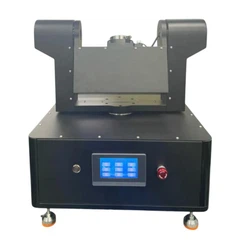
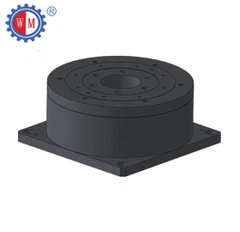
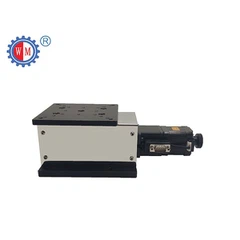
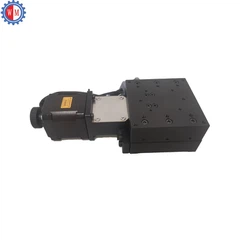
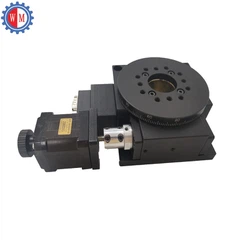
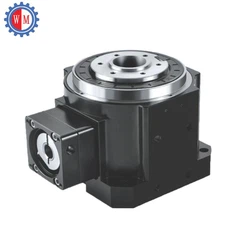
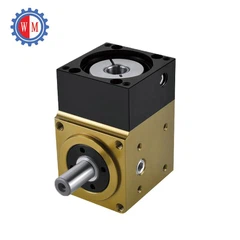
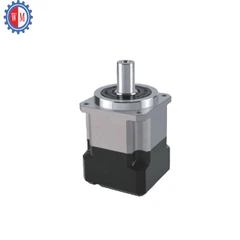
As a right angle reducer supplier, we offer a range of products designed to reduce vibration and improve performance. Two of our popular products are the Hollow Solid Shaft Right Angle Reducer and the Gear Head Speed Reducer.
The Hollow Solid Shaft Right Angle Reducer features a unique design that allows for easy installation and integration into various applications. It is designed with high-quality gears and bearings to ensure smooth operation and minimal vibration. The hollow shaft design also provides flexibility for shaft mounting and power transmission.
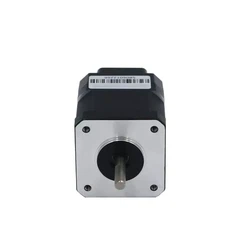
The Gear Head Speed Reducer is a compact and efficient solution for reducing speed and increasing torque. It is designed with precision gears and a robust housing to provide reliable performance and reduce vibration. The gear head can be easily mounted on motors or other equipment, making it a versatile choice for a wide range of applications.
Conclusion
Vibration reduction is an important consideration in the design, manufacturing, and operation of right angle reducers. By understanding the causes of vibration and implementing appropriate vibration reduction measures, we can ensure the smooth operation and longevity of our products. As a supplier of right angle reducers, we are committed to providing high-quality products and solutions that meet the needs of our customers. If you are interested in learning more about our vibration reduction products or have any questions about right angle reducers, please feel free to contact us for a consultation. We look forward to working with you to find the best solution for your application.


References
- Budynas, R. G., & Nisbett, J. K. (2011). Shigley's Mechanical Engineering Design. McGraw-Hill.
- Mott, R. L. (2008). Machine Elements in Mechanical Design. Pearson Prentice Hall.
- Townsend, D. P. (2004). Dudley's Gear Handbook: Design, Manufacturing, and Applications. CRC Press.


