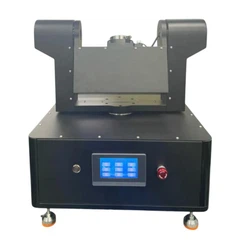
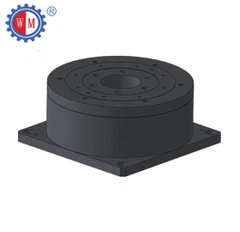
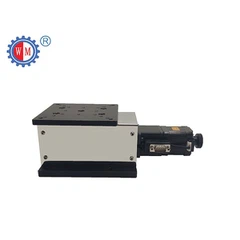
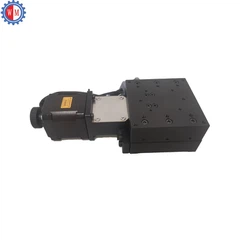
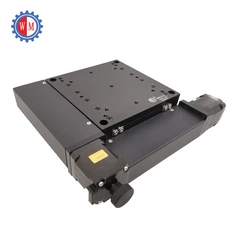
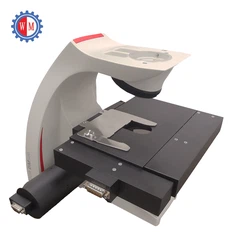
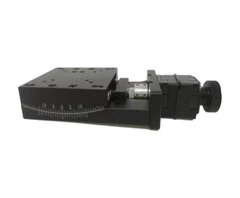
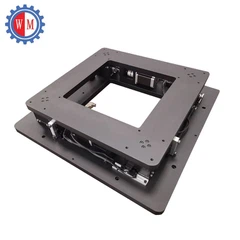
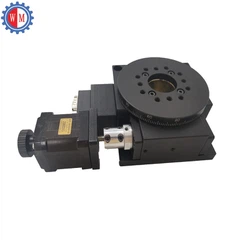
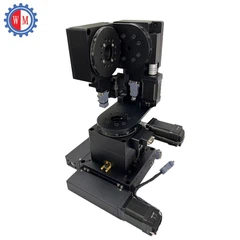
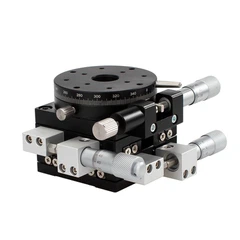


Hey there! As a supplier of Motorized Lift Stages, I've seen firsthand how crucial proper maintenance is for these nifty pieces of equipment. In this blog, I'll walk you through all the maintenance requirements you need to know to keep your Motorized Lift Stage running smoothly.
Regular Inspections
First off, regular inspections are a must. You should give your Motorized Lift Stage a once - over at least once a month, or more frequently if it's used in a high - demand environment. Start by checking the physical condition of the stage. Look for any signs of wear and tear, like scratches, dents, or loose parts. Pay close attention to the joints and connections. Loose bolts or nuts can cause instability and potentially lead to accidents. Tighten any loose fasteners you find during your inspection.
Next, examine the electrical components. The wiring is a critical part of the Motorized Lift Stage. Make sure there are no frayed wires or exposed conductors. If you spot any damaged wiring, it's important to replace it immediately. Faulty electrical connections can not only damage the equipment but also pose a serious safety hazard. You can use a multimeter to check the electrical continuity and ensure that the power supply is stable.
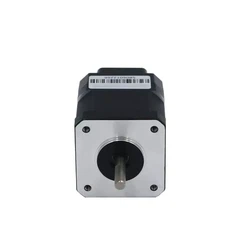
The motor is the heart of the Motorized Lift Stage. Listen for any unusual noises when the motor is running. A grinding or whining sound could indicate a problem with the motor bearings or gears. If you notice any abnormal sounds, it's best to have a professional technician take a look. You can also check the motor's temperature. Overheating can be a sign of a problem, such as overloading or a malfunctioning cooling system.
Lubrication
Lubrication is another key aspect of maintenance. The moving parts of the Motorized Lift Stage, such as the gears, bearings, and slides, need to be properly lubricated to reduce friction and wear. Use a high - quality lubricant recommended by the manufacturer. Apply the lubricant according to the specified intervals. Usually, it's a good idea to lubricate the parts every few months, but this can vary depending on the usage frequency.
When lubricating, make sure to clean the parts first. Remove any dirt, debris, or old lubricant. This will ensure that the new lubricant can work effectively. Be careful not to over - lubricate, as excess lubricant can attract dirt and cause more problems. You can use a small brush or a lubrication gun to apply the lubricant evenly.
Calibration
Calibration is essential to ensure the accuracy and precision of the Motorized Lift Stage. Over time, the stage may lose its calibration due to normal wear and tear or external factors. You should calibrate the stage at least once a year, or more often if you notice any inaccuracies in its movement.


To calibrate the Motorized Lift Stage, you'll need to use a calibration tool, such as a laser interferometer. This tool can measure the position and movement of the stage with high accuracy. Follow the manufacturer's instructions carefully during the calibration process. Make any necessary adjustments to the settings to ensure that the stage moves to the correct positions.
Software Updates
If your Motorized Lift Stage is controlled by software, keeping the software up - to - date is crucial. Software updates often include bug fixes, performance improvements, and new features. Check the manufacturer's website regularly for software updates. Install the updates as soon as they become available.
Before installing a software update, make sure to back up any important data related to the stage's operation. This will prevent any data loss in case something goes wrong during the update process. Follow the installation instructions provided by the manufacturer carefully.
Safety Checks
Safety should always be a top priority when maintaining a Motorized Lift Stage. Check the safety features regularly to ensure they are working properly. This includes limit switches, emergency stop buttons, and safety guards.
The limit switches are designed to prevent the stage from moving beyond its safe limits. Test the limit switches by slowly moving the stage towards the limits and making sure that it stops automatically when it reaches them. The emergency stop button should be easily accessible and in good working condition. Press the emergency stop button during your inspection to ensure that it immediately stops the stage's movement.
The safety guards are there to protect operators from moving parts and potential hazards. Make sure the safety guards are in place and not damaged. If you find any damaged safety guards, replace them right away.
Cleaning
Keeping the Motorized Lift Stage clean is important for its performance and longevity. Regularly clean the surface of the stage to remove dirt, dust, and debris. You can use a soft cloth or a mild cleaning solution. Avoid using abrasive cleaners or tools that could scratch the surface.
Clean the inside of the stage as well. Use a vacuum cleaner to remove any dust or debris from the motor compartment and other hard - to - reach areas. This will prevent the build - up of dirt, which can affect the performance of the electrical components and the motor.
Storage
If you need to store the Motorized Lift Stage for an extended period, proper storage is essential. First, clean and lubricate the stage before storing it. This will prevent rust and corrosion. Store the stage in a dry, clean, and temperature - controlled environment. Avoid storing it in areas with high humidity or extreme temperatures.
Cover the stage with a protective cover to prevent dust and debris from accumulating on it. If possible, store the stage in an upright position to avoid any stress on the components.
Replacement Parts
It's a good idea to keep some essential replacement parts on hand. This includes things like fuses, belts, and bearings. Having these parts readily available can save you time and money in case of a breakdown. Make sure to purchase high - quality replacement parts from a reputable supplier.
When replacing parts, follow the manufacturer's instructions carefully. Incorrectly installed parts can cause further damage to the Motorized Lift Stage. If you're not comfortable replacing a part yourself, it's best to have a professional technician do it.
In conclusion, maintaining a Motorized Lift Stage requires regular inspections, proper lubrication, calibration, software updates, safety checks, cleaning, and proper storage. By following these maintenance requirements, you can ensure that your Motorized Lift Stage operates safely and efficiently for years to come.
If you're in the market for a Motorized Lift Stage or need more information about maintenance, feel free to reach out. We're here to help you make the right choice. You can check out our Motorized Lift Stage on our website. We also offer other related products like the Motor Z Translation Stage and Heavy Load Lab Scissor Jack. Don't hesitate to contact us for any purchasing or technical inquiries. We look forward to working with you!
References
- Manufacturer's manual for Motorized Lift Stage
- Industry standards for motorized equipment maintenance


