
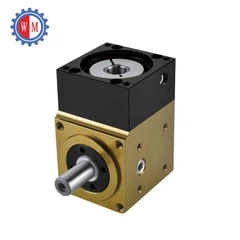
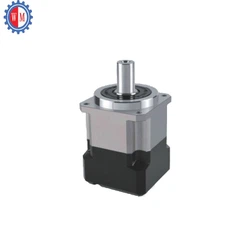
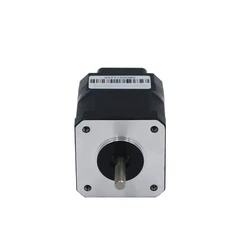


Hey there! As a supplier of Integrated BLDC Motors, I'm super stoked to chat with you about the rotor design of these awesome motors. So, what exactly is the rotor design of an Integrated BLDC Motor all about? Let's dive right in.
First off, let's understand what an Integrated BLDC Motor is. An Integrated BLDC Motor, or Integrated Brushless DC Motor, combines the motor and its drive electronics into a single unit. It's a game - changer in the world of motors, offering a more compact, efficient, and reliable solution compared to traditional setups. You can learn more about Integrated Brushless Motors by checking out this link: Integrated Brushless Motor. And if you're interested in a Brushless Dc Motor with Integrated Drive, click here: Brushless Dc Motor with Integrated Drive.
Now, let's get to the heart of the matter - the rotor design. The rotor is one of the most crucial components of a BLDC motor. In a nutshell, the rotor is the rotating part of the motor, and its design has a huge impact on the motor's performance.
Types of Rotor Designs
There are mainly two types of rotor designs in Integrated BLDC Motors: the surface - mounted permanent magnet (SPM) rotor and the interior permanent magnet (IPM) rotor.
Surface - Mounted Permanent Magnet (SPM) Rotor
The SPM rotor is like the cool, straightforward kid on the block. In this design, the permanent magnets are mounted on the outer surface of the rotor core. It's a simple and cost - effective design, which makes it a popular choice for many applications.
The main advantage of the SPM rotor is its simplicity. Since the magnets are on the surface, they're easy to install and replace if needed. Also, the magnetic field produced by the surface - mounted magnets is relatively uniform, which results in smooth operation of the motor.
However, the SPM rotor does have its limitations. The magnets on the surface are more susceptible to damage from centrifugal forces at high speeds. And because the magnets are exposed, they can be affected by external magnetic fields, which might cause some performance issues.
Interior Permanent Magnet (IPM) Rotor
The IPM rotor is a bit more of a complex character. In this design, the permanent magnets are embedded inside the rotor core. This might seem like a more complicated way to go, but it comes with some serious benefits.
One of the biggest advantages of the IPM rotor is its better performance at high speeds. Since the magnets are inside the core, they're protected from the high centrifugal forces, allowing the motor to operate at higher rotational speeds without the risk of magnet damage.
The IPM rotor also offers better torque - density, which means it can produce more torque for its size compared to the SPM rotor. This makes it a great choice for applications where space is limited but high torque is required, like in robotics and electric vehicles.
But, of course, there's a catch. The IPM rotor is more difficult and expensive to manufacture because of its complex design. The embedding process of the magnets requires more precise manufacturing techniques, which adds to the cost.


Material Selection for Rotors
The choice of materials for the rotor is also a critical aspect of the design. The two main materials used for the permanent magnets in rotors are neodymium - iron - boron (NdFeB) and samarium - cobalt (SmCo).
Neodymium - Iron - Boron (NdFeB) Magnets
NdFeB magnets are like the superstars of the magnet world. They have an extremely high magnetic energy density, which means they can produce a very strong magnetic field. This results in high - performance motors with excellent torque and power output.
These magnets are also relatively inexpensive compared to other high - performance magnets, which makes them a popular choice for many Integrated BLDC Motor applications. However, NdFeB magnets are prone to corrosion, so they need to be properly coated to protect them.
Samarium - Cobalt (SmCo) Magnets
SmCo magnets are a bit more of a niche player. They have a lower magnetic energy density compared to NdFeB magnets, but they have some unique advantages. SmCo magnets are more resistant to high temperatures and corrosion, which makes them ideal for applications where the motor will be operating in harsh environments.
The downside is that SmCo magnets are more expensive than NdFeB magnets, which limits their use to applications where their specific properties are absolutely necessary.
Impact of Rotor Design on Motor Performance
The rotor design has a direct impact on several aspects of the motor's performance, including torque, speed, efficiency, and power density.
Torque
As we mentioned earlier, the IPM rotor generally offers better torque - density compared to the SPM rotor. The way the magnets are arranged in the IPM rotor allows for a more efficient use of the magnetic field, resulting in higher torque output.
For applications that require high starting torque, like in conveyor systems or electric vehicles, the right rotor design can make a huge difference. A well - designed rotor can ensure that the motor can start smoothly and handle heavy loads without any issues.
Speed
The rotor design also affects the maximum speed at which the motor can operate. The SPM rotor has limitations at high speeds due to the risk of magnet damage from centrifugal forces. On the other hand, the IPM rotor can handle higher speeds because the magnets are protected inside the core.
If you're looking for a motor for a high - speed application, like a high - speed spindle in a machining center, the IPM rotor might be the way to go.
Efficiency
Efficiency is a big deal when it comes to motors. A more efficient motor means less energy consumption and lower operating costs. The rotor design plays a crucial role in determining the motor's efficiency.
The SPM rotor generally has lower losses due to its simpler design. However, the IPM rotor can offer better overall efficiency in some applications, especially those that require high - speed operation. The way the IPM rotor uses the magnetic field more effectively can result in less energy being wasted as heat.
Power Density
Power density is all about how much power the motor can produce for its size. The IPM rotor typically has a higher power density compared to the SPM rotor. This makes it a great choice for applications where space is limited, like in drones or small electric appliances.
Conclusion
So, there you have it - a breakdown of the rotor design of an Integrated BLDC Motor. Whether you're in the market for a motor for a small DIY project or a large - scale industrial application, understanding the rotor design can help you make the right choice.
As a supplier of Integrated BLDC Motors, we've got a wide range of motors with different rotor designs to suit your specific needs. If you're interested in learning more about our products or have any questions about rotor design, don't hesitate to reach out. We're always happy to have a chat and help you find the perfect motor for your application. So, let's start a conversation and see how we can work together to get you the best - performing Integrated BLDC Motor.
References
- Miller, T. J. E. (2001). Brushless Permanent - Magnet and Reluctance Motor Drives. Oxford University Press.
- Boldea, I., & Nasar, S. A. (1999). Electric Drives: An Integrative Approach. CRC Press.


