

Power consumption is a crucial factor to consider when evaluating the performance and efficiency of a motorized rotation stage. As a leading supplier of motorized rotation stages, our company understands the significance of power consumption in various applications. In this blog, we will delve into the power consumption of motorized rotation stages, exploring the factors that influence it and how it impacts different industries.
Understanding Motorized Rotation Stages
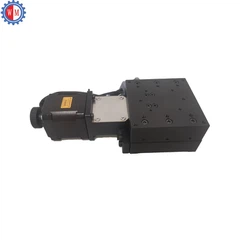
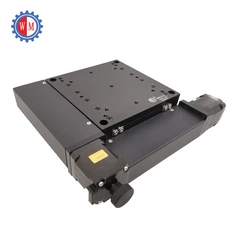
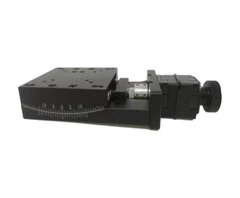
Before we discuss power consumption, let's first understand what a motorized rotation stage is. A motorized rotation stage is a precision device that enables controlled rotational movement. It is widely used in industries such as semiconductor manufacturing, optical inspection, and scientific research. These stages are equipped with motors that provide the necessary torque to rotate the platform accurately.
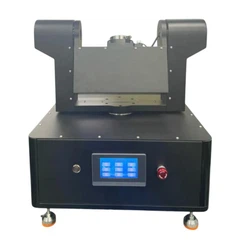
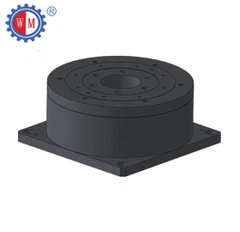
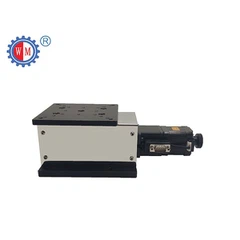
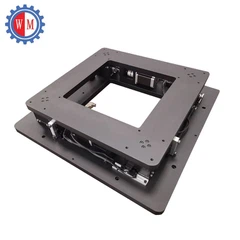
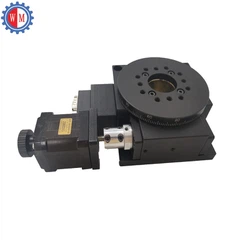
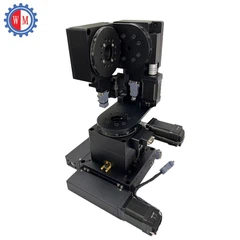
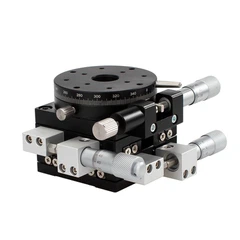
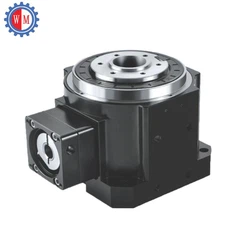
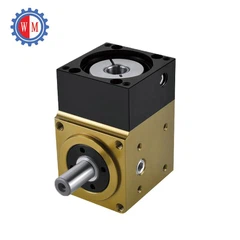
There are different types of motorized rotation stages available in the market, each with its own unique features and applications. For instance, the Minature Rotary Positioning Stage is designed for applications where space is limited, while the Servo Motor Rotary Stage offers high precision and dynamic performance. The Motorized Rotary Stage with Worm Gear Device provides high torque and self-locking capabilities.
Factors Affecting Power Consumption
Several factors influence the power consumption of a motorized rotation stage. Understanding these factors can help users optimize the energy efficiency of their systems and reduce operating costs.
Motor Type
The type of motor used in the rotation stage plays a significant role in power consumption. Stepper motors and servo motors are the two most commonly used types in motorized rotation stages.
Stepper motors are known for their simplicity and low cost. They operate by stepping through a series of discrete positions, which makes them suitable for applications that require precise positioning. However, stepper motors tend to consume more power, especially when operating at high speeds or under heavy loads. This is because they draw a constant current to maintain torque, even when the stage is stationary.
On the other hand, servo motors are more efficient and offer better performance. They use feedback control to adjust the motor's speed and torque based on the load requirements. This means that servo motors only consume the amount of power necessary to perform the task, resulting in lower overall power consumption. Additionally, servo motors can operate at higher speeds and provide smoother motion, making them ideal for applications that require high precision and dynamic performance.
Load Characteristics
The load characteristics of the rotation stage also affect power consumption. The load includes the weight of the object being rotated, as well as any friction or resistance in the system. A heavier load or higher friction will require more torque from the motor, which in turn increases power consumption.
For example, if a motorized rotation stage is used to rotate a large and heavy workpiece, the motor will need to work harder to overcome the inertia and friction of the load. This will result in higher power consumption compared to a stage that is rotating a lighter object. Similarly, if the stage has a high coefficient of friction in its bearings or drive mechanism, more power will be required to move the platform.
Operating Speed
The operating speed of the rotation stage is another important factor that affects power consumption. Generally, the power consumption of a motor increases with the operating speed. This is because the motor needs to generate more torque to overcome the inertial forces and maintain the desired speed.
At low speeds, the power consumption of a motorized rotation stage is relatively low. However, as the speed increases, the power consumption can increase significantly. Therefore, it is important to select a motorized rotation stage that is capable of operating at the required speed while maintaining optimal energy efficiency.
Duty Cycle
The duty cycle of the rotation stage refers to the ratio of the time the stage is in operation to the total time. A higher duty cycle means that the stage is operating for a longer period, which can increase power consumption.
For applications that require continuous operation, such as in a production line, the power consumption of the motorized rotation stage will be higher compared to applications that only require intermittent operation. In such cases, it is important to choose a stage that is designed for high-duty cycle operation and has efficient power management features.
Measuring Power Consumption
To accurately measure the power consumption of a motorized rotation stage, several methods can be used. One common method is to use a power meter, which measures the electrical power consumed by the motor. The power meter can be connected to the motor's power supply to monitor the real-time power consumption.
Another method is to use a data acquisition system to measure the voltage and current of the motor. By multiplying the voltage and current values, the power consumption can be calculated. This method provides more detailed information about the power consumption profile of the motor over time.
It is important to note that the power consumption of a motorized rotation stage can vary depending on the operating conditions and load characteristics. Therefore, it is recommended to measure the power consumption under different operating scenarios to get a comprehensive understanding of the stage's energy efficiency.
Impact of Power Consumption on Different Industries
The power consumption of a motorized rotation stage can have a significant impact on different industries. Let's take a look at some examples:
Semiconductor Manufacturing
In the semiconductor manufacturing industry, motorized rotation stages are used for various processes, such as wafer inspection, lithography, and packaging. These processes require high precision and repeatability, and often involve continuous operation.
High power consumption in motorized rotation stages can lead to increased energy costs and heat generation. Excessive heat can affect the performance and reliability of the equipment, as well as the quality of the semiconductor products. Therefore, semiconductor manufacturers are constantly looking for ways to reduce the power consumption of their motorized rotation stages to improve energy efficiency and productivity.
Optical Inspection
Optical inspection systems use motorized rotation stages to position the optical components and the object being inspected. These systems require high precision and fast movement to ensure accurate inspection results.
Power consumption is a critical factor in optical inspection applications, as it can affect the battery life of portable inspection devices or the operating costs of large-scale inspection systems. By using energy-efficient motorized rotation stages, optical inspection equipment manufacturers can reduce the power consumption of their systems, extend the battery life of portable devices, and lower the overall operating costs.
Scientific Research
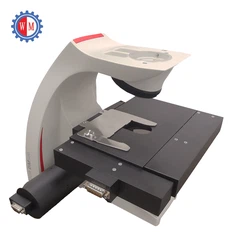
In scientific research, motorized rotation stages are used in a wide range of applications, such as microscopy, spectroscopy, and robotics. These applications often require precise positioning and long-term stability.
Power consumption can be a limiting factor in scientific research, especially when using battery-powered equipment or in remote locations where power supply is limited. By choosing motorized rotation stages with low power consumption, researchers can ensure that their experiments can be conducted for longer periods without the need for frequent battery replacement or external power sources.


Optimizing Power Consumption
To optimize the power consumption of a motorized rotation stage, several strategies can be employed:
Select the Right Motor Type
As mentioned earlier, servo motors are generally more energy-efficient than stepper motors. Therefore, when selecting a motorized rotation stage, it is recommended to choose a stage that is equipped with a servo motor, especially for applications that require high precision and dynamic performance.
Minimize Load
Reducing the load on the rotation stage can significantly lower power consumption. This can be achieved by using lighter materials for the object being rotated, or by optimizing the design of the stage to reduce friction and resistance.
Control Operating Speed
Operating the rotation stage at the lowest possible speed that still meets the application requirements can help reduce power consumption. Additionally, using speed control techniques, such as variable frequency drives, can further optimize the energy efficiency of the motor.
Implement Power Management Features
Many modern motorized rotation stages are equipped with power management features, such as sleep modes and energy-saving algorithms. These features can automatically reduce the power consumption of the stage when it is not in use or operating under light loads.
Conclusion
In conclusion, the power consumption of a motorized rotation stage is influenced by several factors, including motor type, load characteristics, operating speed, and duty cycle. Understanding these factors and implementing strategies to optimize power consumption can help users reduce energy costs, improve system performance, and extend the lifespan of the equipment.
As a supplier of motorized rotation stages, we are committed to providing our customers with high-quality products that offer optimal energy efficiency. Our range of Minature Rotary Positioning Stage, Servo Motor Rotary Stage, and Motorized Rotary Stage with Worm Gear Device are designed to meet the diverse needs of different industries while minimizing power consumption.
If you are interested in learning more about our motorized rotation stages or have any questions regarding power consumption, please feel free to contact us. We look forward to discussing your specific requirements and helping you find the best solution for your application.
References
- "Motor Handbook", by Arnold Tustin
- "Power Electronics: Converters, Applications, and Design", by Ned Mohan, Tore M. Undeland, and William P. Robbins
- "Motion Control Handbook", by Peter Nachtwey


