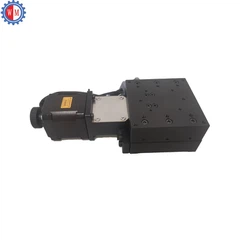
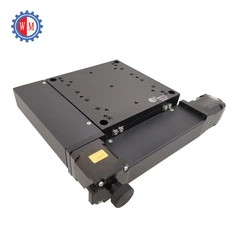
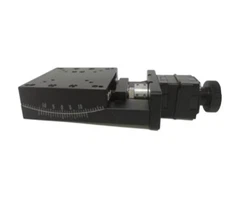
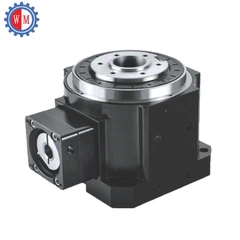
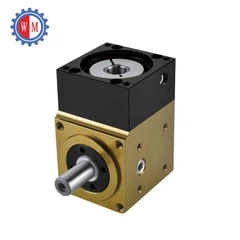
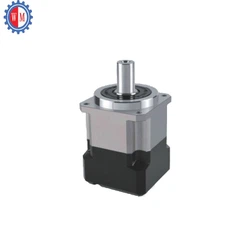


Hey there! As a supplier of right angle reducers, I often get asked about noise reduction measures for these nifty pieces of equipment. Right angle reducers are super useful in a whole bunch of applications, from industrial machinery to robotics. But let's face it, they can get a bit noisy at times, and that's where noise reduction comes in.
Why Noise Reduction Matters
First off, why should we even care about reducing the noise of right - angle reducers? Well, there are a few good reasons. For one, excessive noise can be a real nuisance in the workplace. It can lead to distractions, which might affect the productivity of workers. Plus, long - term exposure to high - level noise can cause hearing problems for employees.
From a product quality perspective, a noisy reducer might also give the impression of poor craftsmanship or low - quality components. Customers are more likely to be satisfied with a quiet - running right angle reducer, which can improve our brand reputation and increase the likelihood of repeat business.
Common Sources of Noise in Right Angle Reducers
Before we dive into the noise reduction measures, let's take a look at what causes the noise in the first place.
One major source is gear meshing. When the gears in the right angle reducer turn, they interact with each other. If the gears are not properly designed, manufactured, or lubricated, the meshing process can generate a lot of noise. For example, gears with incorrect tooth profiles might create uneven contact forces, leading to vibrations and noise.
Another source is bearing noise. Bearings support the rotating shafts in the reducer. If the bearings are worn out, have improper clearances, or are not properly lubricated, they can make a lot of noise as the shafts spin.
Finally, structural vibrations can also contribute to the overall noise level. If the housing of the right angle reducer is not rigid enough, it can vibrate and amplify the noise generated by the internal components.


Noise Reduction Measures
Gear Design and Manufacturing
- Precision Gear Cutting: High - precision gear cutting techniques can ensure that the gear teeth have the correct profiles. For instance, using advanced CNC gear - cutting machines can produce gears with very accurate tooth shapes, which results in smoother meshing and less noise. When the gears mesh smoothly, there are fewer sudden impacts between the teeth, reducing the noise generated during operation.
- Gear Material Selection: Choosing the right gear material is also crucial. Some materials, like high - strength alloy steels, can be heat - treated to improve their hardness and wear resistance. This not only extends the gear's lifespan but also reduces noise. Harder gears are less likely to deform under load, which helps maintain proper meshing and reduces noise. You can check out our Gear Head Speed Reducer for examples of well - designed gears.
Lubrication
- Proper Lubricant Selection: Using the right lubricant can significantly reduce noise. A good lubricant should have the right viscosity for the operating conditions of the right angle reducer. For high - speed applications, a lower - viscosity lubricant might be more suitable as it can flow more easily between the gear teeth and bearings, reducing friction and noise. On the other hand, for heavy - load applications, a higher - viscosity lubricant can provide better protection and noise reduction.
- Regular Lubrication Maintenance: It's not just about choosing the right lubricant; regular maintenance is also essential. Over time, the lubricant can break down, lose its effectiveness, and become contaminated. By regularly changing the lubricant and keeping the lubrication system clean, we can ensure that the gears and bearings are always well - lubricated, which helps reduce noise.
Bearing Selection and Installation
- High - Quality Bearings: Investing in high - quality bearings is a must. Premium bearings are designed to have lower noise levels. They are made with better materials and more precise manufacturing processes, which result in smoother rotation and less noise. For example, some bearings have special internal geometries that reduce the contact stress between the rolling elements and the raceways, leading to quieter operation.
- Proper Bearing Installation: Correct installation of bearings is also crucial. If the bearings are not installed properly, they can be misaligned, which can cause excessive noise and premature wear. Make sure to follow the manufacturer's installation instructions carefully to ensure that the bearings are installed at the correct clearances and preloads.
Structural Design
- Rigid Housing Design: A rigid housing can help reduce structural vibrations. We can use thicker materials and reinforce the housing structure to increase its stiffness. For example, adding ribs or gussets to the housing can improve its rigidity and reduce the amplitude of vibrations, which in turn reduces the noise level.
- Vibration Damping: Using vibration - damping materials can also be effective. For instance, we can use rubber or elastomeric pads between the reducer and its mounting surface. These materials can absorb the vibrations and prevent them from being transmitted to the surrounding environment, reducing the overall noise level.
Case Studies
Let me share a couple of case studies to illustrate how these noise reduction measures work in real - world applications.
One of our customers was using a right angle reducer in a packaging machine. The original reducer was quite noisy, which was a problem as the packaging area was close to the office area. We first analyzed the gear design and found that the gears had some minor tooth profile errors. We replaced the gears with ones that were cut with higher precision using our advanced CNC machines. We also upgraded the lubricant to a high - performance synthetic lubricant. After these changes, the noise level of the reducer was significantly reduced, and the customer was very satisfied.
Another customer had a right angle reducer in a conveyor system. The bearing noise was the main issue. We replaced the old bearings with high - quality, low - noise bearings and made sure they were installed correctly. Additionally, we added some vibration - damping pads between the reducer and the conveyor frame. As a result, the noise level dropped by almost half, and the conveyor system became much quieter.
Conclusion
In conclusion, reducing the noise of right angle reducers is a multi - faceted process that involves gear design, lubrication, bearing selection, and structural design. By implementing these noise reduction measures, we can not only improve the working environment but also enhance the quality and reliability of our products.
If you're in the market for a right angle reducer or need to upgrade your existing one to reduce noise, we'd love to hear from you. We have a wide range of right angle reducers, including our Hollow Solid Shaft Right Angle Reducer, that are designed with noise reduction in mind. Don't hesitate to reach out to us for a consultation and discuss your specific requirements. Let's work together to find the best solution for your needs.
References
- "Gear Design Handbook" by Dudley, Darle W.
- "Bearing Engineering Handbook" by Harris, T. A.
- Industry research reports on right angle reducers.


