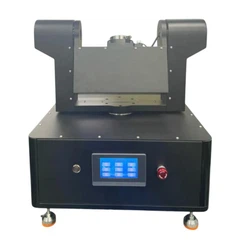
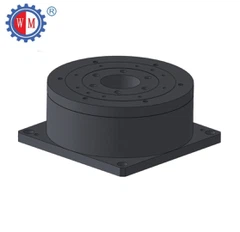
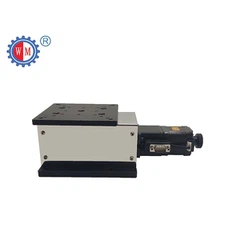
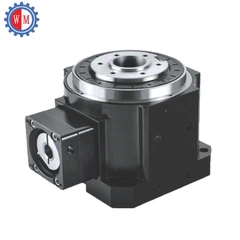
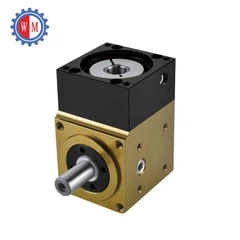
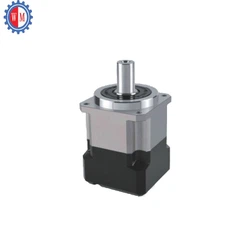


As a seasoned supplier of right angle reducers, I've witnessed firsthand the growing demand for these remarkable mechanical devices across various industries. One of the most frequently asked questions I encounter is about the noise reduction effect of a right angle reducer. In this blog post, I'll delve into the science behind noise reduction in right angle reducers, explore the factors that influence it, and discuss the benefits it offers.


Understanding Noise in Right Angle Reducers
Before we can discuss the noise reduction effect, it's essential to understand where the noise in right angle reducers comes from. Right angle reducers are mechanical devices that transmit power from a motor to a load at a 90-degree angle. They typically consist of gears, shafts, bearings, and a housing. The noise generated by a right angle reducer can be attributed to several factors:
- Gear Meshing: The interaction between the teeth of the gears is a major source of noise. As the gears rotate, the teeth engage and disengage, creating vibrations that are transmitted through the housing and into the surrounding environment.
- Bearing Friction: The bearings that support the shafts in the reducer can also generate noise. Friction between the bearing races and the rolling elements can cause vibrations and noise, especially at high speeds.
- Imbalance: If the rotating components of the reducer are not properly balanced, it can cause vibrations and noise. Imbalance can be caused by manufacturing tolerances, wear and tear, or improper installation.
- Housing Resonance: The housing of the reducer can act as a resonator, amplifying the vibrations generated by the gears and bearings. This can result in a louder and more noticeable noise.
How Right Angle Reducers Reduce Noise
Right angle reducers are designed to minimize noise through a combination of engineering techniques and materials. Here are some of the ways in which they achieve noise reduction:
- Gear Design: The design of the gears plays a crucial role in reducing noise. High-quality gears are precision-engineered to have smooth tooth profiles and accurate meshing, which reduces the impact and vibration generated during operation. Additionally, some gears are designed with special features, such as helical teeth or double helical teeth, which can further reduce noise by spreading the load over a larger area.
- Bearing Selection: The choice of bearings can also have a significant impact on noise reduction. Low-friction bearings, such as ball bearings or roller bearings, are commonly used in right angle reducers to minimize friction and vibration. Additionally, some bearings are designed with special features, such as noise-reducing shields or seals, which can further reduce noise.
- Housing Design: The housing of the reducer is designed to provide a rigid and stable structure that can absorb and dampen vibrations. It is typically made of high-quality materials, such as cast iron or aluminum, which have good vibration-damping properties. Additionally, the housing may be designed with internal ribs or baffles to further reduce noise by disrupting the transmission of vibrations.
- Lubrication: Proper lubrication is essential for reducing noise in right angle reducers. Lubricants help to reduce friction between the gears and bearings, which can minimize wear and tear and reduce noise. Additionally, some lubricants are designed with special additives that can further reduce noise by dampening vibrations.
Factors Affecting Noise Reduction
While right angle reducers are designed to reduce noise, the actual noise reduction effect can vary depending on several factors. Here are some of the factors that can affect the noise reduction performance of a right angle reducer:
- Load and Speed: The load and speed at which the reducer operates can have a significant impact on noise. Higher loads and speeds generally result in more noise, as the gears and bearings are subjected to greater forces and stresses. Therefore, it's important to select a right angle reducer that is rated for the specific load and speed requirements of your application.
- Installation and Alignment: Proper installation and alignment of the reducer are crucial for achieving optimal noise reduction. If the reducer is not installed correctly or is misaligned, it can cause excessive vibrations and noise. Therefore, it's important to follow the manufacturer's installation instructions carefully and ensure that the reducer is properly aligned with the motor and the load.
- Maintenance and Lubrication: Regular maintenance and lubrication are essential for maintaining the noise reduction performance of a right angle reducer. Over time, the gears and bearings can wear out, which can increase noise. Therefore, it's important to follow the manufacturer's maintenance schedule and ensure that the reducer is properly lubricated with the recommended lubricant.
- Environmental Conditions: The environmental conditions in which the reducer operates can also affect its noise reduction performance. For example, high temperatures, humidity, and dust can all cause the gears and bearings to wear out more quickly, which can increase noise. Therefore, it's important to select a right angle reducer that is designed to operate in the specific environmental conditions of your application.
Benefits of Noise Reduction in Right Angle Reducers
The noise reduction effect of a right angle reducer offers several benefits for both the user and the environment. Here are some of the benefits of using a right angle reducer with good noise reduction performance:
- Improved Operator Comfort: Excessive noise can be a major source of discomfort for operators, especially in industrial settings where they may be exposed to high levels of noise for extended periods of time. By reducing noise, right angle reducers can improve operator comfort and reduce the risk of hearing damage.
- Enhanced Productivity: Noise can also be a distraction for operators, which can reduce productivity. By reducing noise, right angle reducers can help to create a more comfortable and productive work environment.
- Compliance with Noise Regulations: Many industries are subject to noise regulations that limit the amount of noise that can be emitted by industrial equipment. By using a right angle reducer with good noise reduction performance, companies can ensure that they are in compliance with these regulations and avoid potential fines and penalties.
- Environmental Protection: Excessive noise can have a negative impact on the environment, especially in residential areas. By reducing noise, right angle reducers can help to minimize the environmental impact of industrial operations and contribute to a more sustainable future.
Conclusion
In conclusion, the noise reduction effect of a right angle reducer is an important consideration for many applications. By understanding the science behind noise reduction in right angle reducers, the factors that influence it, and the benefits it offers, you can make an informed decision when selecting a right angle reducer for your application. As a supplier of high-quality right angle reducers, I'm committed to providing my customers with the best possible products and services. If you have any questions or need further information about our Gear Head Speed Reducer or Hollow Solid Shaft Right Angle Reducer, please don't hesitate to contact me. I'll be happy to assist you with your procurement needs and help you find the right solution for your application.
References
- Budynas, R. G., & Nisbett, J. K. (2011). Shigley's Mechanical Engineering Design. McGraw-Hill.
- Harris, T. A., & Kotzalas, M. N. (2007). Rolling Bearing Analysis. Wiley.
- Mott, R. L. (2008). Machine Elements in Mechanical Design. Pearson Prentice Hall.


