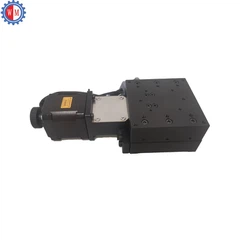
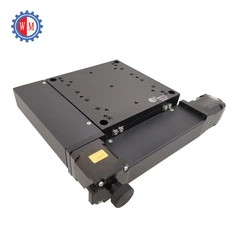
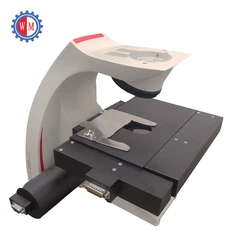
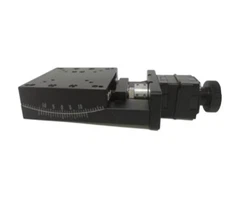
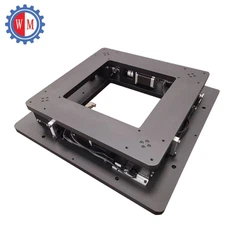
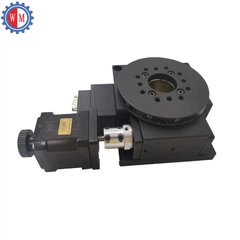
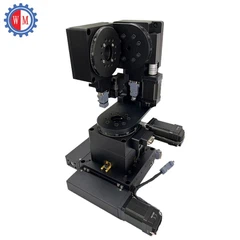
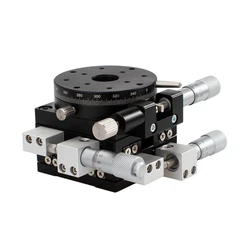


The lifespan of a motorized lift stage is a critical consideration for both manufacturers and end - users. As a motorized lift stage supplier, I understand the importance of this topic and am eager to share in - depth knowledge about it.
Factors Affecting the Lifespan of a Motorized Lift Stage
1. Quality of Components
The quality of the individual components used in a motorized lift stage has a significant impact on its lifespan. High - quality motors, for example, are designed to withstand continuous use and are less likely to fail prematurely. A motor with a high - grade insulation and efficient heat dissipation system can operate for a longer time without overheating, which is a common cause of motor failure.


Similarly, the quality of the mechanical components such as screws, gears, and bearings also matters. Precision - made screws ensure smooth and accurate movement, while high - quality bearings reduce friction and wear. For instance, a motorized lift stage equipped with high - precision ball screws and angular contact bearings can have a much longer lifespan compared to one with lower - quality components.
2. Usage Frequency and Intensity
How often and how intensively a motorized lift stage is used plays a major role in determining its lifespan. A stage that is used continuously for long hours every day in a high - volume production environment will experience more wear and tear than one that is used sporadically in a laboratory setting.
In a manufacturing plant where the motorized lift stage is part of an assembly line, it may be required to perform thousands of lifting and lowering cycles per day. This constant operation can cause the components to degrade faster. On the other hand, in a research laboratory, the stage might be used only a few times a week, which significantly extends its lifespan.
3. Operating Environment
The environment in which the motorized lift stage operates can either enhance or reduce its lifespan. A clean, dry, and temperature - controlled environment is ideal for these stages. Dust, moisture, and extreme temperatures can all have a negative impact on the components.
In a dusty industrial environment, dust particles can enter the moving parts of the stage, causing abrasion and increasing friction. Moisture can lead to corrosion of the metal components, especially if the stage is not properly sealed. Extreme temperatures can also affect the performance of the motor and other electronic components. For example, high temperatures can cause the lubricants in the bearings to break down, leading to increased wear.
4. Maintenance and Care
Regular maintenance and proper care are essential for extending the lifespan of a motorized lift stage. This includes tasks such as lubricating the moving parts, checking the alignment of the components, and inspecting the electrical connections.
Lubrication is crucial for reducing friction between the moving parts. Over time, the lubricants can dry out or become contaminated, so it is important to replenish them at regular intervals. Checking the alignment of the components ensures that the stage moves smoothly and accurately. Misaligned components can cause uneven wear and put additional stress on the motor and other parts.
Typical Lifespan Estimates
Based on industry experience and research, the lifespan of a motorized lift stage can vary widely depending on the factors mentioned above. In general, a well - maintained motorized lift stage used in a moderate environment with normal usage frequency can last anywhere from 5 to 15 years.
For high - end motorized lift stages with top - quality components and used in a clean, controlled environment with proper maintenance, the lifespan can be on the higher end of this range. These stages are often used in precision manufacturing and high - end research applications where reliability and long - term performance are crucial.
On the other hand, motorized lift stages used in harsh industrial environments with heavy usage and minimal maintenance may have a lifespan of only 2 to 5 years. These stages are more likely to experience component failures and require frequent repairs or replacements.
Extending the Lifespan of a Motorized Lift Stage
1. Choose the Right Stage for the Application
Selecting a motorized lift stage that is suitable for the specific application is the first step in ensuring a long lifespan. Consider factors such as the load capacity, travel distance, and required precision. For example, if you need to lift heavy loads, choose a stage with a high - capacity motor and robust mechanical components.
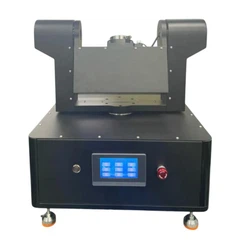
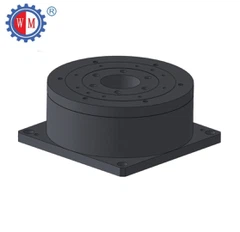
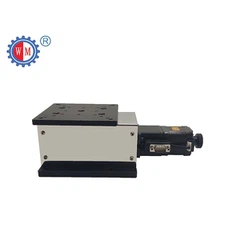
We offer a variety of motorized lift stages to meet different application requirements. Our High Precision Motorized Z Axis Stage is designed for applications that require high - precision vertical movement, while our Short Travel Motorized Vertical Positioning Stage is ideal for applications with limited travel requirements. And our Precision Motorized Vertical Lift Stage is perfect for laboratory and research applications.
2. Follow a Regular Maintenance Schedule
Establishing and following a regular maintenance schedule is crucial for extending the lifespan of the motorized lift stage. This schedule should include tasks such as lubrication, inspection of components, and calibration.
Lubricate the moving parts according to the manufacturer's recommendations. Check the alignment of the components regularly to ensure smooth operation. Inspect the electrical connections for any signs of wear or damage. Calibrate the stage periodically to maintain its accuracy.
3. Train the Operators
Proper training of the operators is essential for the long - term performance of the motorized lift stage. Operators should be trained on how to use the stage correctly, including how to load and unload the items safely, how to operate the controls, and how to recognize and report any abnormal behavior.
Training can also include information on the importance of maintenance and how to perform basic maintenance tasks. This helps to ensure that the stage is used and maintained properly, which in turn extends its lifespan.
Conclusion
The lifespan of a motorized lift stage is influenced by a variety of factors, including the quality of components, usage frequency and intensity, operating environment, and maintenance and care. By understanding these factors and taking appropriate measures, it is possible to extend the lifespan of the stage and ensure its reliable performance over a long period of time.
If you are in the market for a motorized lift stage or need more information about how to extend the lifespan of your existing stage, we are here to help. Our team of experts can provide you with detailed advice and guidance based on your specific requirements. Contact us to start a procurement discussion and find the perfect motorized lift stage for your application.
References
- "Motion Control Handbook", published by an industry - leading publisher on motion control technology.
- Technical reports from motor and lift stage manufacturers on component durability and lifespan.


