


What is the flatness of the Manual Stage?
Hey there! As a supplier of Manual Stages, I often get asked about the flatness of these nifty devices. So, I thought I'd take a moment to break it down for you in a way that's easy to understand.
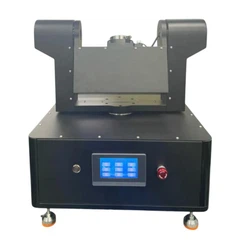
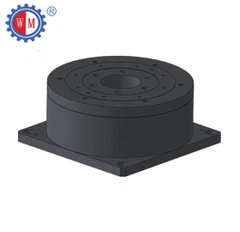
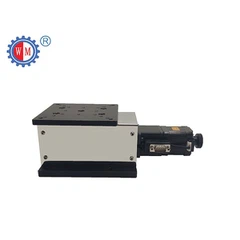
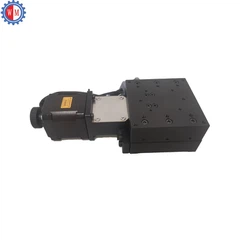
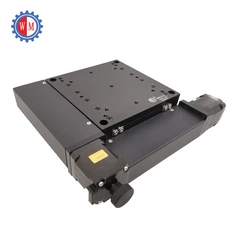
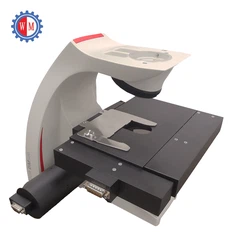
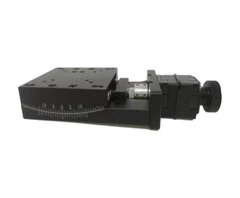
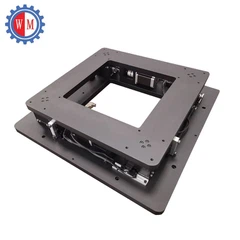
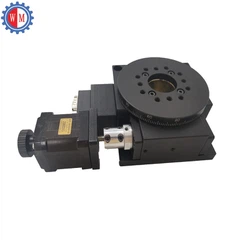
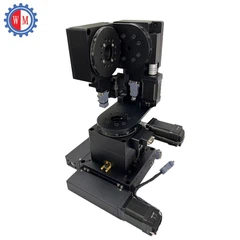
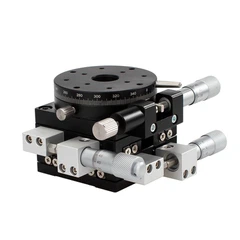
First off, let's talk about what a Manual Stage is. In simple terms, it's a platform that allows you to make precise adjustments to the position of an object. Whether you're working in a lab, doing some high - precision manufacturing, or even in the field of optics, Manual Stages are super useful. They come in different types, like the Manual Linear Positioning Stage, which lets you move an object along a straight line, and the Adjustable Manual Translation Platform, which gives you more flexibility in positioning.
Now, getting to the main topic - flatness. Flatness refers to how flat the surface of the Manual Stage is. In the world of precision equipment, even the slightest deviation from a perfect flat surface can make a huge difference. For example, in optical applications, using a Manual Stage with poor flatness can cause misalignments. When you're trying to align a laser beam or position a sensitive optical component, a non - flat stage can throw off your whole setup.
Imagine you're using an Aluminum Optical Breadboard along with a Manual Stage. The breadboard is designed to provide a stable base for your optical components. If the Manual Stage you place on it isn't flat, it can disrupt the entire optical system. You might end up with light beams not hitting the right spots, leading to inaccurate measurements or even failed experiments.
So, how do we measure the flatness of a Manual Stage? Well, there are a few ways. One common method is using a precision flatness measuring instrument, like a laser interferometer. This device shines a laser beam on the surface of the stage and measures the interference patterns created. By analyzing these patterns, we can determine how much the surface deviates from a perfectly flat plane.
Another way is through mechanical means. We might use something like a dial indicator. A dial indicator is a simple tool that has a small probe that moves up and down as it comes into contact with the stage surface. By moving the indicator across the stage, we can note any variations in the height, which can tell us about the flatness.
Why does the flatness of a Manual Stage matter? For starters, it affects the accuracy of your work. If you're making very fine adjustments, a non - flat stage can introduce errors. Suppose you're using the stage to position a microscope slide for imaging. Any unevenness in the stage can cause the slide to tilt slightly, which means the image you capture might be out of focus or distorted.
Also, flatness plays a role in the longevity of the Manual Stage itself. If the stage has poor flatness, it can cause uneven wear and tear. Parts of the stage that bear more weight due to the uneven surface will wear out faster, which can lead to a shorter lifespan for the stage.
When you're choosing a Manual Stage, flatness should be one of your top considerations. A high - quality stage with good flatness will give you better performance and more reliable results. At our company, we take great pride in ensuring that our Manual Stages have excellent flatness. We use state - of - the - art manufacturing techniques and precise quality control measures to make sure each stage meets the highest standards.
Our production process involves multiple steps to guarantee flatness. First, we use high - quality materials. The choice of material can have a big impact on the final flatness of the stage. Then, during the machining process, we use advanced cutting tools and techniques to create a smooth and flat surface. After machining, we perform rigorous testing using the methods I mentioned earlier, like laser interferometry and dial indicator measurements.
But it's not just about making sure the stage is flat when it leaves the factory. We also provide support and advice to our customers on how to maintain the flatness of their stages. For example, keeping the stage clean and free from debris can prevent scratches and dents, which can affect flatness. Also, using the stage in a stable environment and following the proper operating procedures can help preserve its flatness over time.
If you're in the market for a Manual Stage, I encourage you to reach out to us. We're here to help you find the right stage for your specific needs. Whether you're a research scientist, a manufacturer, or someone in the optical industry, our team of experts can assist you in making the best choice. We can provide detailed information about the flatness of our stages, as well as other technical specifications.


Contact us today to start a discussion about your Manual Stage requirements. We're committed to providing you with high - quality products and excellent customer service.
References
- Optics Handbook: Covers general concepts related to optical bench setups and the importance of component flatness.
- Precision Manufacturing Manual: Provides in - depth knowledge about manufacturing processes and measurement techniques for flatness.


