
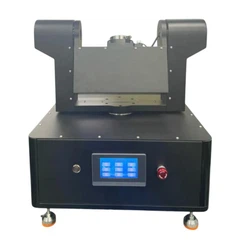
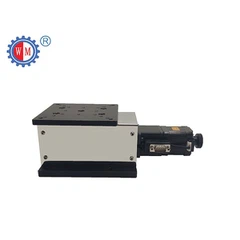
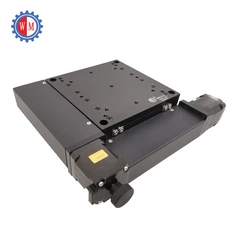
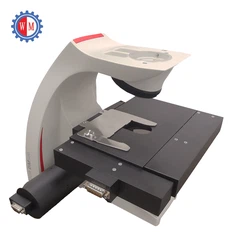
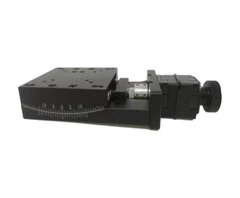
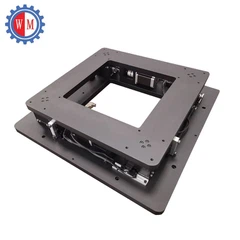
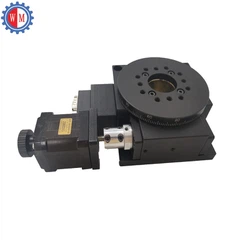
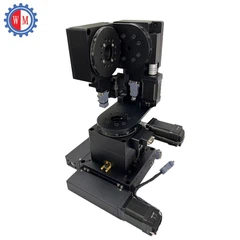
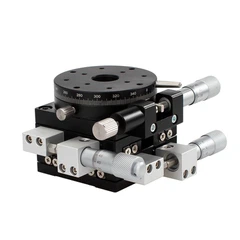
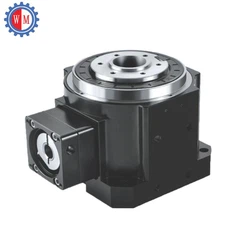


Hey there! As a supplier of Manual Goniometer Tables, I've been getting a lot of questions lately about how temperature affects the performance of these nifty devices. So, I thought I'd dive deep into this topic and share what I've learned over the years.
Let's start with the basics. A Manual Goniometer Table, also known as a Manual Goniometer Stage, is a precision instrument used to measure and adjust angles in various applications. It's like a super accurate protractor on steroids, allowing you to make precise angular measurements and adjustments with ease. These tables are widely used in industries such as optics, metrology, and semiconductor manufacturing, where precision is key.
Now, you might be wondering, why does temperature matter? Well, it turns out that temperature can have a significant impact on the performance of a Manual Goniometer Table. Just like any other mechanical device, the materials used in the construction of the table expand and contract with changes in temperature. This expansion and contraction can cause the table to warp, bend, or otherwise deform, which can lead to inaccurate measurements and adjustments.
One of the most common effects of temperature on a Manual Goniometer Table is thermal expansion. When the temperature rises, the materials in the table expand, causing the table to become slightly larger. Conversely, when the temperature drops, the materials contract, causing the table to become slightly smaller. This expansion and contraction can affect the accuracy of the table's angular measurements and adjustments, as the size and shape of the table change.
For example, let's say you're using a Manual Goniometer Table to measure the angle of a lens in a temperature-controlled environment. The table is calibrated to provide accurate measurements at a specific temperature, let's say 20°C. If the temperature in the room suddenly increases to 30°C, the materials in the table will expand, causing the table to become slightly larger. This expansion can cause the table's angular measurements to be slightly off, as the size and shape of the table have changed.

Another effect of temperature on a Manual Goniometer Table is thermal stress. When the temperature changes rapidly, the materials in the table can experience thermal stress, which can cause the table to warp or bend. This can lead to inaccurate measurements and adjustments, as the table is no longer flat or level.
For example, let's say you're using a Manual Goniometer Table in a laboratory where the temperature can fluctuate rapidly. If the temperature in the room suddenly drops by 10°C, the materials in the table will contract rapidly, causing the table to experience thermal stress. This stress can cause the table to warp or bend, which can lead to inaccurate measurements and adjustments.

So, how can you minimize the effects of temperature on the performance of a Manual Goniometer Table? Well, one of the most effective ways is to use a temperature-controlled environment. By keeping the temperature in the room stable, you can minimize the effects of thermal expansion and stress on the table. This can help to ensure that the table provides accurate measurements and adjustments, even in changing temperature conditions.
Another way to minimize the effects of temperature on the performance of a Manual Goniometer Table is to use materials that are less sensitive to temperature changes. For example, some Manual Goniometer Tables are made from materials such as aluminum or stainless steel, which have a relatively low coefficient of thermal expansion. This means that these materials expand and contract less with changes in temperature, which can help to minimize the effects of thermal expansion and stress on the table.
In addition to using a temperature-controlled environment and materials that are less sensitive to temperature changes, it's also important to calibrate the Manual Goniometer Table regularly. Calibration is the process of adjusting the table to ensure that it provides accurate measurements and adjustments. By calibrating the table regularly, you can compensate for any changes in the table's performance due to temperature or other factors.
Now, let's talk about some specific applications where temperature can have a significant impact on the performance of a Manual Goniometer Table. One such application is in the field of optics. In optics, precision is key, and even small errors in angular measurements can have a significant impact on the performance of optical systems.
For example, let's say you're using a Manual Goniometer Table to align the mirrors in a laser system. The alignment of the mirrors is critical to the performance of the laser system, as even small errors in the alignment can cause the laser beam to be misaligned or distorted. If the temperature in the room changes, the materials in the table can expand or contract, causing the table to warp or bend. This can lead to inaccurate alignment of the mirrors, which can cause the laser beam to be misaligned or distorted.
Another application where temperature can have a significant impact on the performance of a Manual Goniometer Table is in the field of metrology. In metrology, precision is also key, and accurate measurements are essential for ensuring the quality and reliability of products.
For example, let's say you're using a Manual Goniometer Table to measure the angle of a machined part. The accuracy of the measurement is critical to ensuring that the part meets the required specifications. If the temperature in the room changes, the materials in the table can expand or contract, causing the table to warp or bend. This can lead to inaccurate measurements of the angle of the part, which can cause the part to be rejected or require additional machining.
In addition to these applications, temperature can also have a significant impact on the performance of a Pitch Yaw Roll Manual Tilt Stage, which is a type of Manual Goniometer Table that allows for precise angular adjustments in multiple axes. The same principles apply to Pitch Yaw Roll Manual Tilt Stages as to other Manual Goniometer Tables, and temperature can cause the stage to warp, bend, or otherwise deform, which can lead to inaccurate angular adjustments.
So, there you have it! That's a brief overview of how temperature affects the performance of a Manual Goniometer Table. As you can see, temperature can have a significant impact on the accuracy and reliability of these devices, and it's important to take steps to minimize the effects of temperature changes.
If you're in the market for a Manual Goniometer Table or have any questions about how temperature affects their performance, please don't hesitate to reach out. We're here to help you find the right solution for your needs and ensure that you get the most accurate and reliable measurements possible.

References
- Smith, J. (2018). Precision Measurement and Instrumentation. New York: Wiley.
- Jones, A. (2019). Optics and Photonics: An Introduction. Cambridge: Cambridge University Press.
- Brown, C. (2020). Metrology: Principles and Applications. Oxford: Oxford University Press.


