
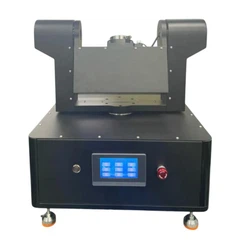
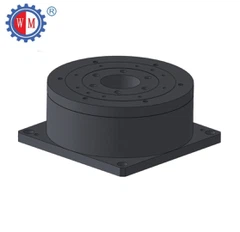
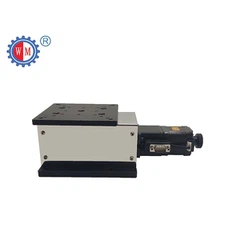
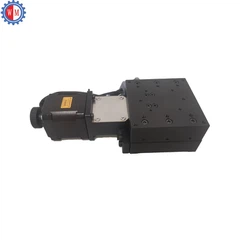
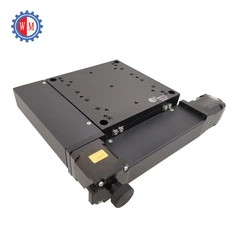
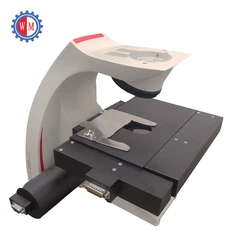
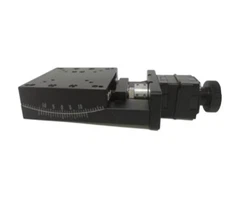
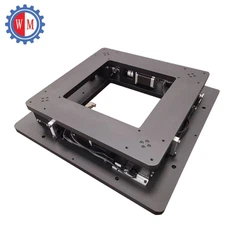
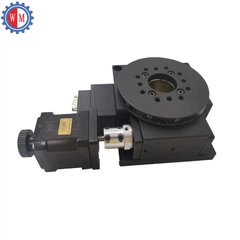
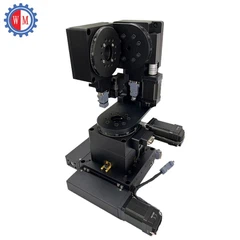
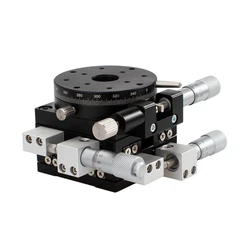
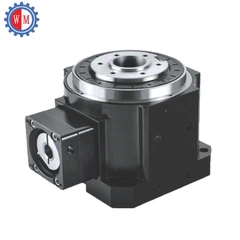
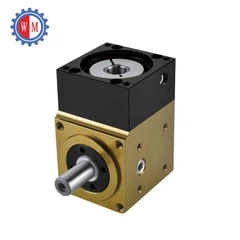
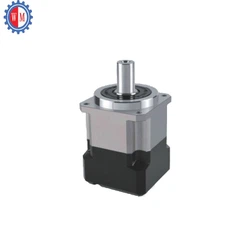
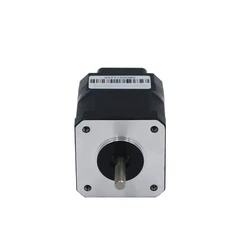


A motorized lab jack is an essential tool in various laboratory settings, offering precise vertical movement for a wide range of applications. However, like any mechanical device, it is subject to certain limitations and potential issues, one of which is backlash. In this blog post, we will explore what backlash is in a motorized lab jack, its causes, effects, and how it can be managed. As a leading supplier of motorized lab jacks, we have extensive experience in dealing with these issues and can provide valuable insights to our customers.
What is Backlash in a Motorized Lab Jack?
Backlash refers to the amount of play or clearance between the moving parts of a mechanical system, such as the gears, lead screws, or couplings in a motorized lab jack. When the direction of motion is reversed, this play allows for a small amount of movement without an immediate corresponding movement of the load. In other words, there is a delay or "lost motion" between the command to reverse the direction and the actual movement of the lab jack.
For example, imagine you are using a motorized lab jack to raise a sample to a specific height. Once you reach the desired position and then decide to lower the sample, there may be a brief period where the motor is running in the reverse direction, but the lab jack does not immediately start moving downward. This delay is due to the backlash in the system.
Causes of Backlash
There are several factors that can contribute to backlash in a motorized lab jack:
Gear Clearance
Gears are commonly used in motorized lab jacks to transfer power from the motor to the lead screw or other moving components. In order to ensure smooth operation, there must be a small amount of clearance between the teeth of the gears. This clearance allows for lubrication and prevents the gears from binding under normal operating conditions. However, this same clearance also creates the potential for backlash when the direction of rotation is reversed.
Lead Screw Play
The lead screw is another critical component in a motorized lab jack, responsible for converting the rotational motion of the motor into linear motion. Over time, the lead screw may develop play due to wear and tear, improper installation, or insufficient lubrication. This play can result in backlash as the screw moves back and forth within its nut when the direction of motion is changed.
Coupling Misalignment
Couplings are used to connect the motor shaft to the lead screw or other rotating components. If the coupling is not properly aligned, it can introduce additional play into the system, leading to backlash. Misalignment can occur during installation or due to mechanical stress over time.
Effects of Backlash
Backlash can have several negative effects on the performance of a motorized lab jack:
Reduced Precision
One of the most significant impacts of backlash is reduced precision. In applications where precise positioning is critical, such as microscopy, spectroscopy, or microfabrication, even a small amount of backlash can lead to errors in the final position of the sample or instrument. This can result in inaccurate measurements, poor image quality, or failed experiments.
Increased Wear and Tear
Backlash can also cause increased wear and tear on the components of the motorized lab jack. As the moving parts repeatedly experience the sudden change in direction and the associated impact, the gears, lead screw, and other components may wear out more quickly. This can lead to premature failure of the lab jack and increased maintenance costs.
Unstable Operation
In some cases, backlash can cause the motorized lab jack to operate in an unstable manner. The sudden movement after the backlash is overcome can result in vibrations or jerks, which can be particularly problematic in applications where smooth and continuous motion is required.
Managing Backlash
While it is impossible to completely eliminate backlash in a motorized lab jack, there are several strategies that can be employed to minimize its effects:
High - Quality Components
Using high - quality gears, lead screws, and couplings can significantly reduce backlash. Precision - machined components with tight tolerances and proper lubrication can minimize the amount of play in the system. At our company, we offer Precision Motorized Vertical Lift Stage that are designed with high - quality components to ensure minimal backlash and maximum precision.
Anti - Backlash Mechanisms
Some motorized lab jacks are equipped with anti - backlash mechanisms to compensate for the play in the system. These mechanisms can include spring - loaded gears, pre - loaded lead screws, or special couplings that eliminate or reduce the backlash. Our Short Travel Motorized Vertical Positioning Stage features advanced anti - backlash technology to provide smooth and precise operation.
Software Compensation
In addition to mechanical solutions, software compensation can also be used to reduce the impact of backlash. By programming the motor controller to account for the expected backlash, the system can adjust the movement of the lab jack to achieve more accurate positioning. This approach is particularly effective in applications where the backlash is relatively consistent.
Minimizing Backlash in Your Applications
As a supplier of motorized lab jacks, we understand the importance of minimizing backlash in your laboratory applications. Here are some tips to help you reduce the impact of backlash:
Regular Maintenance
Regular maintenance is essential to keep your motorized lab jack in optimal condition. This includes lubricating the gears and lead screw, checking for proper alignment of the couplings, and inspecting the components for wear and tear. By addressing any issues early on, you can prevent the backlash from worsening over time.


Proper Installation
Proper installation is crucial to minimizing backlash. Make sure to follow the manufacturer's instructions carefully when installing the motorized lab jack. This includes ensuring that the components are correctly aligned, the couplings are tightened to the appropriate torque, and the lab jack is securely mounted.
Choose the Right Lab Jack
When selecting a motorized lab jack for your application, consider the level of precision required and the potential impact of backlash. Our Motor Z Translation Stage is available in a variety of models with different levels of precision and anti - backlash features to meet your specific needs.
Conclusion
Backlash is an important consideration when using a motorized lab jack. While it can have a negative impact on the precision, performance, and longevity of the device, there are effective strategies for managing and minimizing its effects. By understanding the causes and effects of backlash, and by implementing the appropriate solutions, you can ensure that your motorized lab jack operates with the highest level of precision and reliability.
If you are in the market for a motorized lab jack and have questions about backlash or any other aspect of our products, we encourage you to contact us for a consultation. Our team of experts is ready to help you select the right lab jack for your application and provide you with the support you need to ensure its optimal performance.
References
- "Mechanical Design Handbook", by Joseph Edward Shigley, Charles R. Mischke, Richard G. Budynas
- "Precision Machine Design", by Donald C. Marshek


