
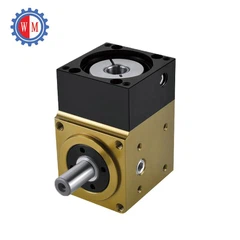
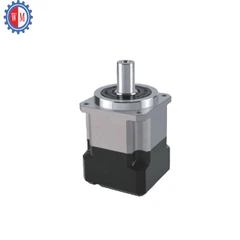
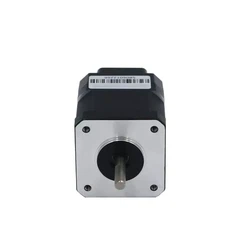


As a supplier of Integrated Stepper Motors, I've had the privilege of working closely with these remarkable devices. Integrated Stepper Motors combine a stepper motor with a driver and sometimes additional control features into a single unit, offering a compact and efficient solution for a wide range of applications. However, like any complex piece of technology, they are not immune to faults. In this blog, I'll share some of the common faults I've encountered in Integrated Stepper Motors and how to address them.
Overheating
One of the most prevalent issues with Integrated Stepper Motors is overheating. Stepper motors generate heat as they operate, and if this heat is not dissipated effectively, it can lead to a variety of problems. Overheating can cause the motor to lose torque, reduce its lifespan, and in severe cases, even damage the internal components.
There are several reasons why an Integrated Stepper Motor might overheat. One common cause is incorrect sizing. If the motor is too small for the application, it will have to work harder to achieve the desired performance, generating more heat in the process. Another cause could be improper ventilation. Integrated Stepper Motors rely on proper airflow to dissipate heat, so if the motor is installed in an enclosed space or surrounded by other heat - generating components, it can overheat.
To address overheating issues, first, ensure that the motor is correctly sized for the application. Consult the motor's datasheet and work with an engineer if necessary to select the appropriate motor. Additionally, make sure the motor has adequate ventilation. You can use heat sinks or fans to improve heat dissipation, especially in high - load applications.
Loss of Steps
Loss of steps is another common fault in Integrated Stepper Motors. A stepper motor moves in discrete steps, and when it loses steps, it fails to move the expected distance or angle. This can lead to inaccurate positioning and affect the overall performance of the system.
There are multiple factors that can cause step loss. One of the main reasons is insufficient torque. If the load on the motor exceeds its torque capacity, the motor may not be able to move the load through the full step, resulting in step loss. Electrical issues such as voltage drops, poor wiring, or problems with the driver can also cause step loss.
To prevent step loss, ensure that the motor has enough torque for the application. You may need to upgrade to a motor with a higher torque rating if the current one is struggling. Check the electrical connections and make sure they are secure and free of corrosion. If possible, use a high - quality power supply to maintain a stable voltage.
Vibration and Noise
Excessive vibration and noise are often signs of problems in an Integrated Stepper Motor. While some level of vibration and noise is normal during motor operation, abnormal levels can indicate issues such as misalignment, mechanical wear, or electrical problems.
Mechanical misalignment can occur when the motor is not properly mounted or when the load is not centered on the motor shaft. This can cause uneven forces on the motor, leading to vibration and noise. Worn bearings or gears can also contribute to excessive vibration and noise.
To reduce vibration and noise, check the motor's mounting and alignment. Make sure the motor is securely fastened and that the load is properly centered. Inspect the bearings and gears for signs of wear and replace them if necessary. You can also use vibration - damping materials to reduce the transmission of vibrations to the surrounding environment.
Driver Failure
The driver is an essential part of an Integrated Stepper Motor, as it controls the current and voltage supplied to the motor. Driver failure can lead to a variety of problems, including the motor not starting, erratic movement, or overheating.
Driver failure can be caused by electrical surges, overheating, or component wear. Electrical surges can damage the driver's internal components, while overheating can cause the driver to malfunction. Component wear over time can also lead to driver failure.
To prevent driver failure, use surge protectors to protect the driver from electrical surges. Ensure that the driver has proper ventilation to prevent overheating. Regularly inspect the driver for signs of wear and replace it if necessary.
Communication Issues (for Smart Integrated Stepper Motors)
Many modern Integrated Stepper Motors, such as the Modbus RS485 Integrated Motor, Closed Loop Stepper Integrated Motor, and CAN Bus Control Integrated Stepper Motor, are equipped with communication interfaces for remote control and monitoring. Communication issues can prevent the motor from receiving commands or sending feedback correctly.


Common communication problems include incorrect settings, wiring issues, or interference. Incorrect communication settings, such as baud rate or protocol configuration, can prevent the motor from communicating with the controller. Wiring issues, such as broken or loose wires, can also disrupt communication. Interference from other electrical devices can cause signal degradation and communication errors.
To troubleshoot communication issues, first, check the communication settings in the motor and the controller. Make sure they are configured correctly. Inspect the wiring for any signs of damage or loose connections. If interference is suspected, use shielded cables and separate the communication cables from other power cables.
Conclusion
In conclusion, while Integrated Stepper Motors offer many advantages, they are prone to several common faults. By understanding these faults and their causes, you can take proactive steps to prevent them and ensure the reliable operation of your motor. Whether it's overheating, step loss, vibration, driver failure, or communication issues, early detection and proper maintenance are key to avoiding costly downtime and repairs.
If you are experiencing problems with your Integrated Stepper Motors or are looking for high - quality motors for your next project, I encourage you to reach out to us. Our team of experts can provide you with the right solutions and support to meet your specific needs. We are committed to delivering reliable and efficient Integrated Stepper Motors that will help you achieve your goals.
References
- "Stepper Motor Handbook" by Peter C. Senning
- Technical documentation from various Integrated Stepper Motor manufacturers


