


Hey there! I'm a supplier of Integrated Servo Motors, and today I want to dig into a question that often pops up: Is an Integrated Servo Motor explosion-proof?


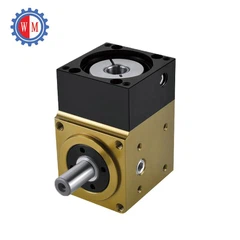
First off, let's understand what an Integrated Servo Motor is. It's a pretty nifty piece of tech that combines a servo motor and a drive into one compact unit. This integration offers a bunch of benefits, like saving space, reducing wiring complexity, and often providing better performance compared to separate motor and drive setups. You can check out an example of an Integrated Servo Motor and Drive Kit for more details on what these kits can offer.
Now, back to the main question: explosion-proof or not? Well, it depends. Not all Integrated Servo Motors are explosion-proof by default. An explosion-proof motor is designed to prevent the ignition of flammable gases, vapors, or dust in hazardous environments. These environments could be found in places like chemical plants, oil refineries, or grain silos, where there's a risk of explosive mixtures in the air.
To make an Integrated Servo Motor explosion-proof, it needs to meet certain standards and go through specific design and manufacturing processes. For starters, the motor's enclosure has to be built to contain any internal explosion so that it doesn't spread to the surrounding environment. This means using materials and construction methods that can withstand the pressure and heat generated during an internal explosion without rupturing.
The electrical components inside the motor also need to be carefully designed. There can't be any sparks or excessive heat that could ignite the flammable substances in the air. This might involve using special insulation materials, designing the circuitry to minimize electrical arcing, and ensuring that all connections are secure and well-protected.
There are different explosion-proof ratings and standards around the world. In the United States, for example, the National Electrical Code (NEC) sets the requirements for explosion-proof equipment. In Europe, the ATEX directive is the main standard. These standards define things like the types of hazardous areas (e.g., Zone 1 for areas where an explosive atmosphere is likely to occur during normal operation, and Zone 2 for areas where it's less likely), and the level of protection the equipment needs to have in each area.
So, when a customer asks me if our Integrated Servo Motors are explosion-proof, my first question is always about the environment where the motor will be used. If it's a normal industrial setting with no risk of explosive atmospheres, then a standard Integrated Servo Motor will work just fine. But if it's a hazardous area, we need to look into the specific requirements and see if we can provide an explosion-proof solution.
We do offer explosion-proof Integrated Servo Motors, but they're not our standard product line. When a customer needs an explosion-proof motor, we work closely with them to understand their exact needs. We'll look at the type of hazardous substances present in the environment, the explosion-proof rating required, and any other special requirements they might have.
One of the challenges in making an Integrated Servo Motor explosion-proof is maintaining its performance. The added safety features can sometimes add weight and bulk to the motor, which can affect its speed, torque, and overall efficiency. But we've been able to develop some innovative solutions to minimize these impacts. For example, we use advanced materials that are both lightweight and strong, and we optimize the internal design of the motor to reduce any unnecessary losses.
Another aspect to consider is the cost. Explosion-proof Integrated Servo Motors are generally more expensive than standard ones. This is because of the additional design, manufacturing, and testing processes involved. But in a hazardous environment, the cost of not having an explosion-proof motor can be much higher. A single explosion can cause significant damage to equipment, property, and even endanger the lives of workers. So, it's a cost that many companies are willing to pay for the added safety.
If you're in the market for an Integrated Servo Motor and you're not sure if you need an explosion-proof one, here are some things to think about. First, assess the environment where the motor will be used. Look for any signs of flammable gases, vapors, or dust. If there's any doubt, it's always better to err on the side of caution and consult with a safety expert.
Second, consider the long-term costs. While an explosion-proof motor might cost more upfront, it can save you a lot of money in the long run by preventing potential explosions and their associated damages.
Finally, don't be afraid to ask questions. As a supplier, I'm always happy to help customers understand their options and make the right choice. Whether you need a standard Integrated Servo Motor or an explosion-proof one, I can provide you with the information and support you need.
If you're interested in learning more about our Integrated Servo Motors, or if you have a specific application in mind and need to discuss whether an explosion-proof motor is right for you, feel free to reach out. We're here to help you find the best solution for your needs.
References
- National Electrical Code (NEC)
- ATEX directive


