

Hey there! If you're here, chances are you're looking to upgrade your manual Z - Axis stage. Well, you've come to the right place. I'm a supplier of Manual Z - Axis Stages, and I've got all the tips and tricks you need to make that upgrade a breeze.
Why Upgrade Your Manual Z - Axis Stage?
First things first, let's talk about why you might want to upgrade your manual Z - Axis stage. Maybe your current stage is old and doesn't provide the precision you need. Or perhaps you're looking to increase the load capacity to handle heavier equipment. Upgrading can also improve the ease of use, making your work more efficient.
For instance, if you're in a research lab, a more precise Z - Axis stage can lead to more accurate experimental results. In a manufacturing setting, an upgraded stage can boost productivity by reducing the time it takes to position components.
Assessing Your Current Stage
Before you start the upgrade process, it's crucial to assess your current manual Z - Axis stage. Take a close look at its specifications, such as the travel range, load capacity, and precision. Check for any signs of wear and tear, like loose screws or damaged components.
You should also consider your specific needs. Are you looking for a higher travel range? Do you need to increase the resolution for more precise movements? By understanding your current stage and your requirements, you can make an informed decision about the upgrade.
Choosing the Right Upgrade
Once you've assessed your current stage and identified your needs, it's time to choose the right upgrade. There are several factors to consider:
Precision and Resolution
If precision is your top priority, look for a stage with a higher resolution. A higher resolution means you can make smaller, more accurate adjustments. Some stages come with micrometer dials or digital readouts, which can significantly improve precision.
Load Capacity
Make sure the upgraded stage can handle the weight of your equipment. If you're using heavier objects, you'll need a stage with a higher load capacity. Check the specifications carefully to ensure it meets your requirements.
Travel Range
Consider the travel range you need. If you often work with large components, you'll want a stage with a longer travel range. On the other hand, if space is limited, a stage with a shorter travel range might be more suitable.
Ease of Use
Look for a stage that is easy to operate. Features like smooth handwheels and ergonomic designs can make a big difference in your daily work. Some stages also come with built - in locking mechanisms to keep the position stable.
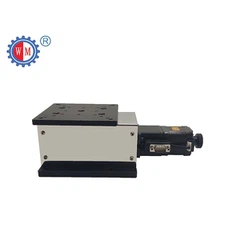
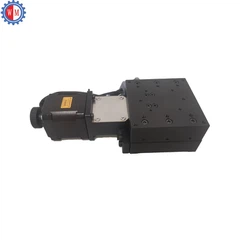
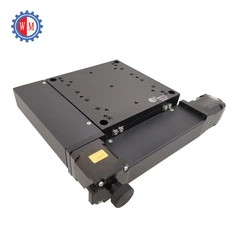
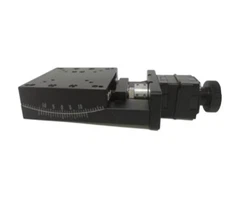
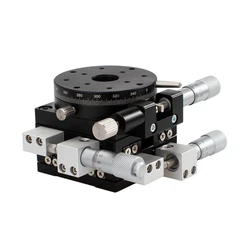
One great option for an upgrade is our Manual Vertical Stage. It offers high precision, a decent load capacity, and a smooth operation.
The Upgrade Process
Now that you've chosen the right upgrade, it's time to start the installation process. Here's a general guide:
Preparation
Gather all the necessary tools, such as screwdrivers, wrenches, and Allen keys. Make sure you have a clean and well - lit workspace. It's also a good idea to read the installation instructions carefully before you start.
Removing the Old Stage
Carefully disconnect any cables or wires connected to the old stage. Unscrew the mounting bolts and gently remove the stage from its position. Be careful not to damage any surrounding equipment.


Installing the New Stage
Place the new stage in the same position as the old one. Align the mounting holes and insert the bolts. Tighten the bolts securely, but don't over - tighten them. Connect any cables or wires according to the instructions.
Testing the New Stage
Once the new stage is installed, test it to make sure it's working properly. Move the stage up and down using the handwheel or other control mechanisms. Check for any unusual noises or movements. If everything looks good, you're ready to start using your upgraded manual Z - Axis stage.
Maintenance and Care
After upgrading your manual Z - Axis stage, it's important to take good care of it. Here are some maintenance tips:
Regular Cleaning
Keep the stage clean by removing any dust, debris, or contaminants. You can use a soft brush or a compressed air canister to clean the surface. Avoid using abrasive materials that could scratch the stage.
Lubrication
Some stages require lubrication to ensure smooth operation. Check the manufacturer's instructions to see if your stage needs lubrication and what type of lubricant to use. Apply the lubricant according to the recommended schedule.
Inspection
Regularly inspect the stage for any signs of wear and tear. Check the screws, bolts, and other components for tightness. If you notice any problems, address them immediately to prevent further damage.
Conclusion
Upgrading your manual Z - Axis stage can be a great way to improve the performance and efficiency of your work. By following the steps outlined in this blog, you can choose the right upgrade, install it correctly, and take good care of it.
If you're interested in upgrading your manual Z - Axis stage or have any questions, feel free to reach out to us. We're here to help you find the perfect solution for your needs. Whether you're in a research lab, a manufacturing plant, or any other industry, we've got the expertise and products to support you.
References
- General knowledge from the field of manual stage technology and product experience.


