


As a supplier of Integrated BLDC Motors, I understand the critical importance of reliability in these motors. In today's industrial and consumer applications, the reliability of an Integrated BLDC Motor can significantly impact the overall performance and longevity of the equipment it powers. In this blog, I will share some practical strategies on how to improve the reliability of an Integrated BLDC Motor.
Understanding the Basics of Integrated BLDC Motors
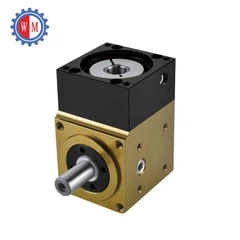
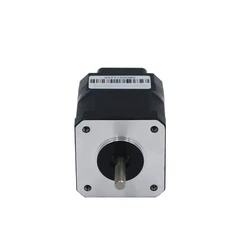
Before delving into the ways to enhance reliability, it's essential to have a clear understanding of what an Integrated BLDC Motor is. An Integrated Brushless Motor combines the motor, controller, and often other components into a single unit. This integration offers several advantages, such as reduced wiring, compact size, and improved efficiency. The Brushless Dc Motor with Integrated Drive is a prime example of this technology, where the drive electronics are built directly into the motor housing.
Component Selection
One of the first steps in improving the reliability of an Integrated BLDC Motor is careful component selection. The quality of the individual components used in the motor can have a significant impact on its overall reliability.
- Motor Windings: High - quality copper wire with proper insulation is crucial. Inferior wire can lead to increased resistance, which in turn generates more heat. Excessive heat can damage the insulation, leading to short - circuits and motor failure. Look for wires with high - temperature ratings and good resistance to mechanical stress.
- Magnetic Materials: The magnets in the motor play a vital role in its operation. High - energy permanent magnets, such as neodymium magnets, can provide better performance and reliability. These magnets should be properly protected to prevent demagnetization due to high temperatures or external magnetic fields.
- Electronic Components: In the integrated drive section, components like MOSFETs, capacitors, and resistors need to be of high quality. Select components with appropriate ratings for voltage, current, and temperature. For example, using low - quality capacitors can lead to power supply instability, which can affect the motor's operation and ultimately its reliability.
Thermal Management
Heat is one of the biggest enemies of an Integrated BLDC Motor. Excessive heat can degrade the performance of the motor and its components over time. Therefore, effective thermal management is essential for improving reliability.
- Heat Sinks: Installing heat sinks on the motor and the drive electronics can help dissipate heat more efficiently. Heat sinks increase the surface area available for heat transfer, allowing the motor to operate at lower temperatures. The design of the heat sink, including its size, shape, and material, should be optimized for the specific motor and application.
- Ventilation: Providing adequate ventilation around the motor can also help in heat dissipation. This can be achieved through the use of fans or by designing the motor enclosure with proper air channels. In some applications, forced air cooling may be necessary to maintain the motor at a safe operating temperature.
- Thermal Monitoring: Incorporating thermal sensors into the motor can allow for real - time monitoring of the temperature. If the temperature exceeds a certain threshold, the motor can be shut down or its speed can be reduced to prevent damage.
Design Optimization
The design of the Integrated BLDC Motor itself can be optimized to improve reliability.


- Mechanical Design: A robust mechanical design can withstand the mechanical stresses and vibrations that the motor may encounter during operation. This includes using proper bearings to support the motor shaft and ensuring that the motor housing is strong enough to protect the internal components. The alignment of the motor components is also crucial; misalignment can lead to increased wear and tear on the bearings and other parts.
- Electrical Design: The electrical design of the motor and the drive should be optimized to minimize electrical noise and interference. This can be achieved through proper grounding, shielding, and the use of filtering circuits. Electrical noise can cause malfunctions in the motor control system and reduce its reliability.
- Software Design: In the case of motors with integrated control software, the software should be well - written and thoroughly tested. The software should be able to handle various operating conditions and faults gracefully. For example, it should be able to detect and correct for sensor errors or power supply fluctuations.
Quality Control and Testing
Implementing a rigorous quality control and testing process is essential for ensuring the reliability of Integrated BLDC Motors.
- In - Process Inspection: Conducting inspections at various stages of the manufacturing process can help identify and correct any potential issues early on. This includes inspecting the quality of the components before assembly, checking the wiring and soldering during the assembly process, and performing functional tests on the partially assembled motor.
- Final Testing: Before the motor is shipped to the customer, it should undergo comprehensive final testing. This includes performance testing to ensure that the motor meets the specified speed, torque, and efficiency requirements. It also includes reliability testing, such as running the motor for an extended period under various operating conditions to simulate real - world use.
Environmental Considerations
The environment in which the Integrated BLDC Motor operates can also affect its reliability.
- Dust and Moisture: In dusty or humid environments, the motor should be protected from dust and moisture ingress. This can be achieved through the use of sealed enclosures or by applying protective coatings to the motor components. Dust can accumulate on the motor windings and electronics, reducing their performance and potentially causing short - circuits. Moisture can corrode the metal components and damage the insulation.
- Chemical Exposure: If the motor is exposed to chemicals, it should be designed to resist chemical corrosion. This may involve using special materials for the motor housing and components or applying chemical - resistant coatings.
Maintenance and Serviceability
Making the motor easy to maintain and service can also contribute to its long - term reliability.
- Accessibility: Design the motor in such a way that its components are easily accessible for maintenance and repair. This includes providing access ports for checking and replacing bearings, as well as for servicing the drive electronics.
- Documentation: Provide detailed documentation for the motor, including installation instructions, maintenance schedules, and troubleshooting guides. This can help the end - user to properly maintain the motor and quickly resolve any issues that may arise.
Conclusion
Improving the reliability of an Integrated BLDC Motor requires a comprehensive approach that encompasses component selection, thermal management, design optimization, quality control, environmental considerations, and maintenance. By implementing these strategies, we can ensure that our motors provide long - term, reliable performance for our customers.
If you are interested in learning more about our high - reliability Integrated BLDC Motors or have specific requirements for your application, we invite you to contact us for a procurement discussion. We are committed to providing you with the best solutions for your motor needs.
References
- "Brushless DC Motor Systems: Modeling, Analysis, and Application" by Ned Mohan.
- "Electric Motor Handbook" by Eric Pack.
- Industry whitepapers on BLDC motor reliability and design.


