


Maintaining the optimal performance of a motorized vertical stage is crucial for its long - term functionality and accuracy in various laboratory and industrial applications. As a reputable motorized vertical stage supplier, I am here to share a comprehensive guide on how to clean such a precision instrument.


Understanding the Motorized Vertical Stage
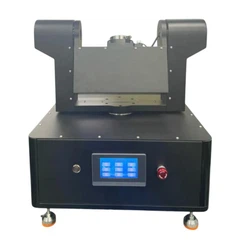
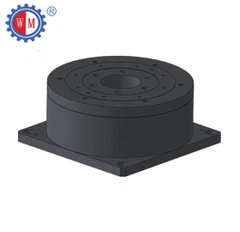
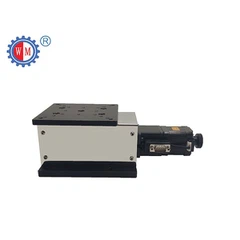
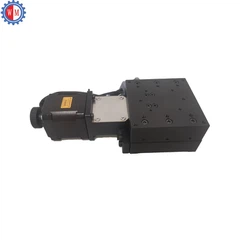
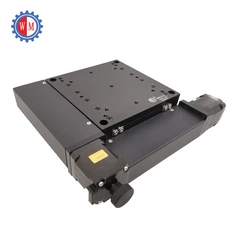
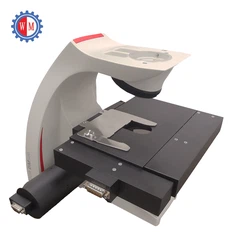
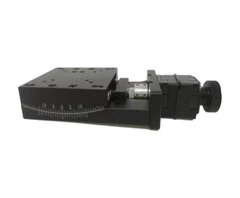
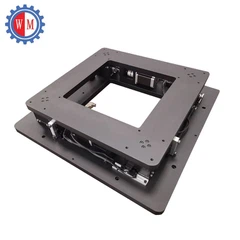
Before diving into the cleaning process, it's essential to have a basic understanding of what a motorized vertical stage is. A motorized vertical stage is a device that moves in the vertical direction, controlled by a motor. It can be used for a variety of tasks such as microscopy, positioning samples, and height adjustment in industrial production lines. Different types of motorized vertical stages, like the Heavy Load Lab Scissor Jack, Short Travel Motorized Vertical Positioning Stage, and Motor Z Translation Stage have their own unique design features, but the general cleaning principles remain similar.
Pre - cleaning Preparations
- Power Off: The first and foremost step is to turn off the power supply of the motorized vertical stage. This ensures your safety during the cleaning process and also prevents any damage to the electrical components of the stage.
- Gather Cleaning Tools: You will need a few basic cleaning tools and materials. These include a soft - bristle brush, lint - free cloths, isopropyl alcohol (preferably 70% or higher), compressed air canisters, and a small vacuum cleaner with a fine - tipped nozzle if available.
- Read the Manual: Each motorized vertical stage may have specific cleaning instructions provided by the manufacturer. Reading the manual thoroughly can help you avoid any mistakes that could potentially damage the stage.
Exterior Cleaning
- Dust Removal: Use a soft - bristle brush or compressed air to gently remove loose dust and debris from the exterior surfaces of the motorized vertical stage. Pay special attention to areas around the motor housing, control panel, and any moving parts. Start from the top and work your way down to prevent dust from falling onto already - cleaned areas.
- Wiping the Surface: Moisten a lint - free cloth with isopropyl alcohol. Wring out the cloth well to ensure it is only slightly damp. Then, carefully wipe the exterior surfaces of the stage, including the metal or plastic casings. This helps to remove fingerprints, grease, and other contaminants. Avoid getting alcohol into any openings or vents of the stage.
Cleaning the Moving Parts
- Guide Rails and Lead Screws: The guide rails and lead screws are critical components of the motorized vertical stage. First, use a soft brush or compressed air to remove any dust or small particles from these parts. Then, apply a small amount of a suitable lubricant to the guide rails and lead screws as recommended by the manufacturer. After applying the lubricant, move the stage up and down a few times to distribute the lubricant evenly.
- Bearings: Bearings play a vital role in the smooth operation of the stage. If possible, access the bearings and use a small amount of isopropyl alcohol on a lint - free cloth to gently clean them. Be very careful not to over - lubricate the bearings, as this can attract more dirt and cause problems.
Cleaning the Electrical Components
- Control Panel: The control panel of the motorized vertical stage is sensitive. Use a dry, lint - free cloth to gently wipe the surface of the control panel, including the buttons and display. If there are stubborn stains, slightly dampen the cloth with isopropyl alcohol and then wipe carefully. Avoid getting any liquid into the control panel openings.
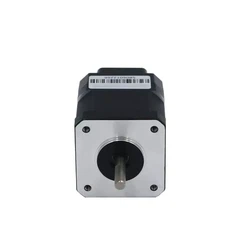
- Motor and Wiring: The motor and wiring should be inspected for any signs of dust or damage. Use compressed air to blow away dust from the motor housing and the wiring connections. Do not use any liquid cleaners on the motor or wiring unless specifically recommended by the manufacturer.
Post - cleaning Checks
- Visual Inspection: After cleaning, conduct a thorough visual inspection of the motorized vertical stage. Check for any signs of damage, loose parts, or improper lubrication. Look for any remaining dirt or debris that may have been missed during the cleaning process.
- Functional Test: Power on the stage and perform a series of test movements. Check if the stage moves smoothly in the vertical direction, if the positioning is accurate, and if there are any abnormal noises or vibrations. If you notice any issues, refer to the manufacturer's troubleshooting guide or contact technical support.
Frequency of Cleaning
The frequency of cleaning a motorized vertical stage depends on its usage environment. In a clean laboratory environment, a general cleaning every few months may be sufficient. However, if the stage is used in a dusty or dirty industrial setting, more frequent cleaning, perhaps once a month or even more often, may be necessary.
Importance of Regular Cleaning
Regular cleaning of a motorized vertical stage offers several benefits. It helps to maintain the accuracy of the stage's movement, which is crucial for applications that require precise positioning. Cleaning also extends the lifespan of the stage by preventing the build - up of dirt and debris that can cause wear and tear on the components. Additionally, it reduces the risk of malfunctions and breakdowns, which can lead to costly repairs and downtime.
As a motorized vertical stage supplier, we understand the importance of keeping your equipment in top - notch condition. If you have any questions about cleaning your motorized vertical stage or are interested in purchasing a new one, we encourage you to contact us for further discussion and procurement. Our team of experts is always ready to assist you with your specific needs.
References
- Manufacturer's manuals for motorized vertical stages
- Industry best practices for precision equipment maintenance


