

In the dynamic landscape of food processing, innovation is the key to enhancing efficiency, precision, and safety. One such innovation that has been making waves is the motorized vertical stage. As a leading supplier of motorized vertical stages, I am often asked whether these devices can be effectively used in food processing applications. In this blog, I will delve into the capabilities, advantages, and considerations of using a motorized vertical stage in the food processing industry.
Understanding Motorized Vertical Stages
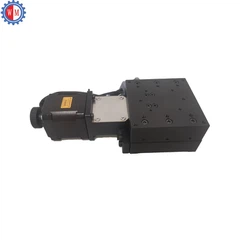
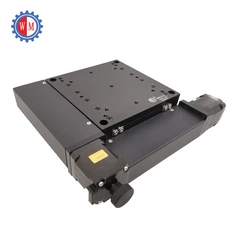
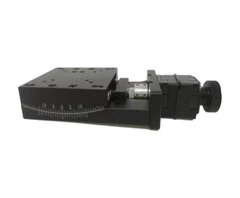
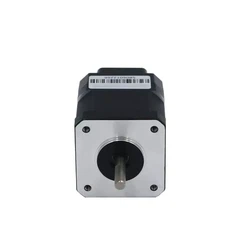
Before we explore their suitability for food processing, let's first understand what motorized vertical stages are. Motorized vertical stages are mechanical devices designed to provide precise vertical motion. They are typically equipped with motors, such as stepper or servo motors, which allow for controlled movement up and down. These stages can offer high levels of accuracy, repeatability, and speed, making them ideal for applications that require precise positioning.
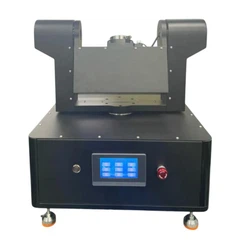
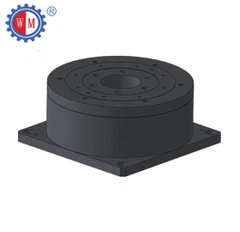
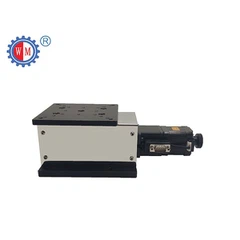
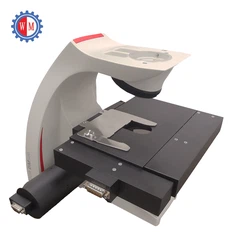
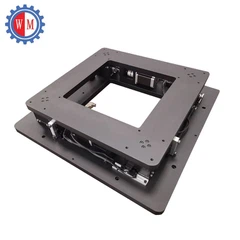
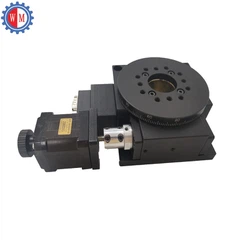
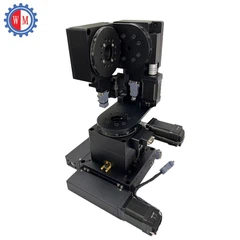
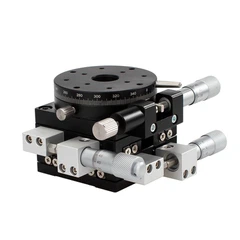
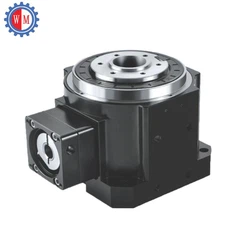
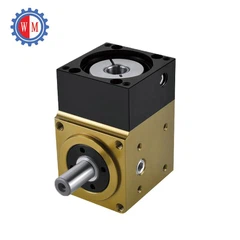
There are several types of motorized vertical stages available in the market, each with its own unique features and capabilities. For instance, the Motorized Lift Stage is designed to lift heavy loads with ease, while the Motor Z Translation Stage offers precise linear motion in the Z-axis. The Heavy Load Lab Scissor Jack is another option that can handle heavy loads and is often used in laboratory settings.
Advantages of Using Motorized Vertical Stages in Food Processing
Now that we have a basic understanding of motorized vertical stages, let's explore the advantages of using them in food processing applications.
1. Precision and Accuracy
One of the primary advantages of motorized vertical stages is their ability to provide precise and accurate vertical motion. In food processing, precision is crucial for tasks such as filling, dispensing, and labeling. For example, when filling bottles with a specific volume of liquid, a motorized vertical stage can ensure that the filling mechanism is positioned accurately at the right height, minimizing spillage and ensuring consistent fill levels. This level of precision can lead to higher product quality and reduced waste.
2. Efficiency and Productivity
Motorized vertical stages can significantly improve the efficiency and productivity of food processing operations. They can operate at high speeds, allowing for faster processing times. Additionally, the ability to automate vertical motion reduces the need for manual labor, which can lead to increased throughput and reduced labor costs. For instance, in a packaging line, a motorized vertical stage can quickly and accurately position products for labeling or sealing, increasing the overall speed of the packaging process.
3. Flexibility and Adaptability
Another advantage of motorized vertical stages is their flexibility and adaptability. They can be easily integrated into existing food processing equipment and systems, allowing for seamless operation. Additionally, they can be programmed to perform a variety of tasks, such as lifting, lowering, and positioning, making them suitable for a wide range of food processing applications. For example, a motorized vertical stage can be used to adjust the height of a conveyor belt to accommodate different product sizes or to position a cutting tool for precise slicing.
4. Safety
Safety is a top priority in the food processing industry. Motorized vertical stages can enhance safety by reducing the risk of manual handling injuries. They can be designed with safety features such as limit switches and emergency stop buttons to prevent over-travel and ensure safe operation. Additionally, the automation of vertical motion reduces the need for workers to be in close proximity to moving machinery, further reducing the risk of accidents.
Considerations for Using Motorized Vertical Stages in Food Processing
While motorized vertical stages offer many advantages in food processing applications, there are also some considerations that need to be taken into account.
1. Hygiene and Cleanliness
In the food processing industry, hygiene and cleanliness are of utmost importance. Motorized vertical stages need to be designed and constructed in a way that allows for easy cleaning and sanitation. They should be made from materials that are resistant to corrosion and can withstand frequent cleaning with harsh chemicals. Additionally, the design should minimize the accumulation of food particles and debris, which can harbor bacteria and other pathogens.
2. Compliance with Food Safety Regulations
Food processing operations are subject to strict regulations and standards to ensure the safety of the food products. Motorized vertical stages used in food processing applications need to comply with these regulations, such as the Food Safety Modernization Act (FSMA) in the United States. This may include requirements for materials, construction, and operation to prevent contamination of the food products.


3. Compatibility with Food Processing Equipment
Motorized vertical stages need to be compatible with the existing food processing equipment and systems. They should be able to integrate seamlessly with other components, such as conveyors, filling machines, and packaging equipment. Additionally, the control systems of the motorized vertical stage should be compatible with the overall control system of the food processing line to ensure efficient and coordinated operation.
4. Maintenance and Serviceability
Like any mechanical device, motorized vertical stages require regular maintenance to ensure optimal performance and longevity. When selecting a motorized vertical stage for a food processing application, it is important to consider the ease of maintenance and serviceability. The stage should be designed with accessible components and easy-to-follow maintenance procedures. Additionally, the supplier should offer reliable technical support and spare parts availability to minimize downtime in case of a breakdown.
Case Studies: Motorized Vertical Stages in Food Processing
To illustrate the practical applications of motorized vertical stages in the food processing industry, let's look at some case studies.
Case Study 1: Filling and Packaging
A food manufacturer was experiencing issues with inconsistent fill levels and spillage in their bottle filling process. They decided to install a Motorized Lift Stage to precisely position the filling nozzles at the correct height. The motorized lift stage provided accurate and repeatable vertical motion, resulting in consistent fill levels and reduced spillage. This not only improved the product quality but also increased the efficiency of the filling process.
Case Study 2: Slicing and Dicing
A meat processing plant was looking to improve the precision and speed of their slicing operation. They installed a Motor Z Translation Stage to precisely position the meat products for slicing. The motor Z translation stage allowed for accurate and fast movement in the Z-axis, enabling the plant to achieve consistent slice thickness and increase the throughput of the slicing process.
Conclusion
In conclusion, motorized vertical stages can be effectively used in food processing applications. They offer numerous advantages, including precision, efficiency, flexibility, and safety. However, it is important to consider factors such as hygiene, compliance with regulations, compatibility with equipment, and maintenance when selecting a motorized vertical stage for a food processing application.
As a leading supplier of motorized vertical stages, we have the expertise and experience to provide customized solutions for the food processing industry. Our products are designed to meet the highest standards of quality, reliability, and performance. If you are interested in learning more about how our motorized vertical stages can benefit your food processing operations, we encourage you to contact us for a consultation. We look forward to discussing your specific requirements and finding the best solution for your business.
References
- Food Safety Modernization Act (FSMA) regulations
- Industry reports on food processing equipment and technology
- Case studies and research papers on the use of motorized vertical stages in industrial applications


