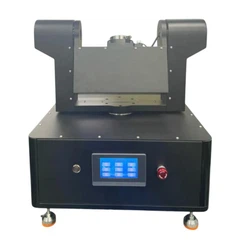
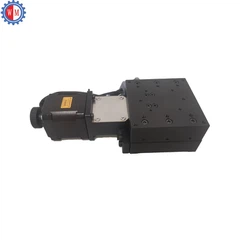
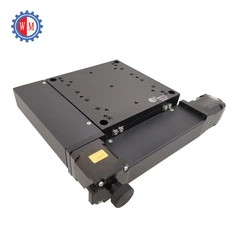
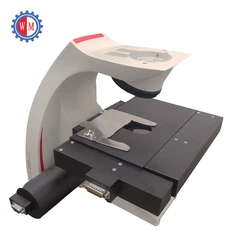
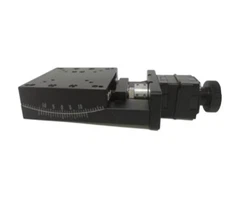
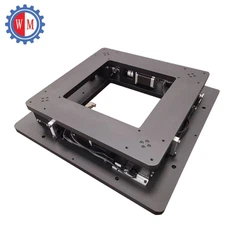
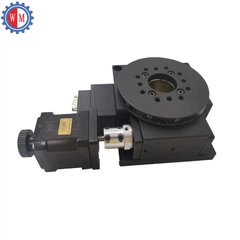
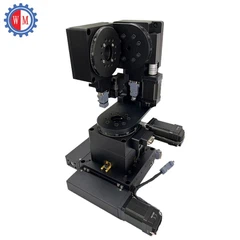
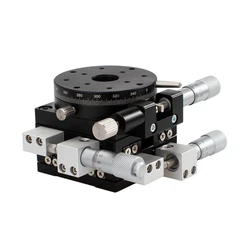


Hey there! As a supplier of Manual Multi - Axis Stages, I've seen firsthand how important it is to keep these precision instruments clean. In this blog post, I'm gonna walk you through the steps on how to clean a manual multi - axis stage properly.
Why Cleaning is Crucial
First off, let's talk about why cleaning your manual multi - axis stage is so important. These stages are used in a variety of applications, from microscopy to laser machining. Over time, dust, debris, and even small particles of lubricant can build up on the stage's surfaces and moving parts. This buildup can lead to decreased performance, increased wear and tear, and even cause the stage to malfunction. By keeping your stage clean, you can ensure its longevity and maintain its accuracy.
Tools You'll Need
Before you start cleaning, gather the necessary tools. You'll need a few basic items:


- Compressed air can: This is great for blowing away loose dust and debris from hard - to - reach areas.
- Lint - free cloths: These are essential for wiping down the surfaces of the stage without leaving behind fibers.
- Isopropyl alcohol: A good cleaning agent that evaporates quickly and doesn't leave residue.
- Small brushes: Soft - bristled brushes can be used to clean in between the gears and other small components.
- Lubricant: After cleaning, you may need to re - lubricate some parts to ensure smooth operation.
Step 1: Prepare the Stage
The first step is to prepare the stage for cleaning. Turn off any power sources if the stage is part of an electrical system. Remove any accessories or samples that are mounted on the stage. This will give you full access to all the surfaces that need to be cleaned.
Step 2: Remove Loose Debris
Use the compressed air can to blow away any loose dust and debris from the stage. Hold the can about 6 - 8 inches away from the surface and use short bursts of air. Pay special attention to the areas around the moving parts, such as the slides and screws. You can also use a small brush to gently dislodge any stubborn debris that the compressed air can't remove.
Step 3: Wipe Down the Surfaces
Dampen a lint - free cloth with isopropyl alcohol. Wipe down all the exposed surfaces of the stage, including the top plate, sides, and any handles. Make sure to get into all the corners and crevices. Be careful not to let the alcohol drip into any sensitive areas, such as the bearings or electrical connections. If there are any sticky residues on the surface, you can let the alcohol sit on the area for a few seconds to loosen the residue before wiping it away.
Step 4: Clean the Moving Parts
The moving parts of the manual multi - axis stage are where most of the dirt and debris can accumulate. Use a small brush dipped in isopropyl alcohol to clean the gears, slides, and screws. Gently brush the parts to remove any dirt or grime. You can also use a lint - free cloth to wipe away the loosened debris. If the moving parts are very dirty, you may need to repeat this step a few times.
Step 5: Check the Bearings
The bearings are critical components of the stage. Check them for any signs of dirt or damage. If you notice any dirt, use a small amount of isopropyl alcohol on a lint - free cloth to carefully clean the bearings. Be very gentle when cleaning the bearings to avoid damaging them.
Step 6: Re - lubricate the Moving Parts
After cleaning, it's important to re - lubricate the moving parts to ensure smooth operation. Use a lubricant that is recommended for the type of stage you have. Apply a small amount of lubricant to the gears, slides, and screws. Make sure to spread the lubricant evenly. Wipe away any excess lubricant with a lint - free cloth.
Step 7: Inspect the Stage
Once you've completed the cleaning and re - lubrication process, inspect the stage for any signs of damage or wear. Check the alignment of the moving parts and make sure they move smoothly. If you notice any issues, such as a sticking slide or a loose screw, address them before using the stage again.
Specific Considerations for Different Types of Stages
Manual XZ Translation Stage
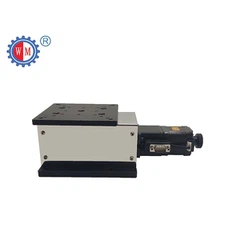
The Manual XZ Translation Stage is designed for precise movement in the X and Z axes. When cleaning this type of stage, pay special attention to the slides and screws that control the movement in these axes. Make sure to clean the areas where the stage attaches to the base to prevent any misalignment.
Manual Xyr Stage
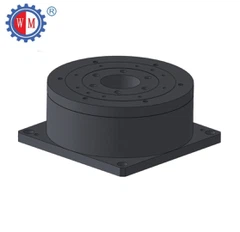
The Manual Xyr Stage offers movement in the X, Y, and rotational (r) axes. The rotational components can be a bit more delicate, so be extra careful when cleaning them. Use a small brush to clean the gears and bearings that control the rotation.
Manual Linear XYZ Translation Stage
The Manual Linear XYZ Translation Stage provides movement in the X, Y, and Z axes. This stage has more moving parts and a more complex structure. Take your time to clean each axis thoroughly, especially the slides and the connections between the different axes.
Tips for Regular Maintenance
- Clean regularly: Set a regular cleaning schedule based on how often you use the stage. If you use it frequently, you may need to clean it once a month or even more often.
- Keep the environment clean: Try to use the stage in a clean environment to reduce the amount of dust and debris that accumulates on it.
- Store properly: When not in use, cover the stage to protect it from dust.
Contact Us for Your Manual Multi - Axis Stage Needs
If you're in the market for a new manual multi - axis stage or need replacement parts for your existing one, we're here to help. We offer a wide range of high - quality manual multi - axis stages, including the Manual XZ Translation Stage, Manual Xyr Stage, and Manual Linear XYZ Translation Stage. Our team of experts can assist you in choosing the right stage for your specific application. Contact us today to start the procurement process and let's discuss how we can meet your requirements.
References
- "Precision Stage Maintenance Guide" - Industry - standard manual on stage maintenance.
- "Best Practices for Cleaning and Lubricating Mechanical Components" - Technical article on proper cleaning and lubrication techniques.


