


Hey there! As a supplier of planetary actuators, I've seen firsthand how crucial it is to understand the impact of overload on these nifty devices. Planetary actuators are used in a wide range of applications, from industrial machinery to robotics, and they play a vital role in ensuring smooth and efficient operation. But what happens when they're pushed beyond their limits? Let's dive in and find out.
First off, let's talk about what overload actually means in the context of planetary actuators. Simply put, overload occurs when the actuator is subjected to a load that exceeds its rated capacity. This can happen for a variety of reasons, such as sudden changes in the operating environment, improper installation, or just plain old wear and tear. When an actuator is overloaded, it has to work harder to perform its function, which can lead to a whole host of problems.
One of the most immediate effects of overload is increased stress on the actuator's components. Planetary actuators are made up of a complex system of gears, bearings, and shafts, and when they're subjected to excessive loads, these components can start to wear out more quickly. This can lead to premature failure of the actuator, which can be costly and time-consuming to repair or replace. For example, the gears may start to strip or break, the bearings may seize up, or the shafts may bend or crack.
Another problem that can arise from overload is overheating. When an actuator is working harder than it's designed to, it generates more heat. If this heat isn't dissipated properly, it can cause the actuator's internal components to expand, which can lead to further damage. Overheating can also reduce the lubrication properties of the oil or grease used in the actuator, which can increase friction and wear. In extreme cases, overheating can even cause the actuator to catch fire, which is obviously a serious safety hazard.
In addition to mechanical and thermal damage, overload can also have a negative impact on the actuator's performance. When an actuator is overloaded, it may not be able to operate at its optimal speed or torque, which can affect the overall efficiency of the system it's a part of. This can lead to decreased productivity, increased energy consumption, and even product quality issues. For example, if a planetary actuator is used to control the movement of a robotic arm, an overload could cause the arm to move slower or less precisely, which could affect the accuracy of the tasks it's performing.
So, how can you tell if your planetary actuator is being overloaded? There are a few signs to look out for. One of the most obvious is increased noise or vibration. If you notice that your actuator is making more noise than usual or vibrating excessively, it could be a sign that it's being overloaded. Another sign is a decrease in performance. If your actuator isn't operating as smoothly or efficiently as it used to, it could be due to an overload. You may also notice that the actuator is running hotter than normal, or that there are signs of wear or damage on its components.


If you suspect that your planetary actuator is being overloaded, it's important to take action as soon as possible. The first step is to identify the cause of the overload. This could involve checking the operating environment, inspecting the installation, or reviewing the system's specifications. Once you've identified the cause, you can take steps to correct it. This could involve reducing the load on the actuator, improving the cooling system, or replacing worn or damaged components.
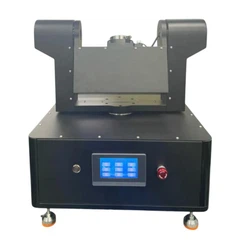
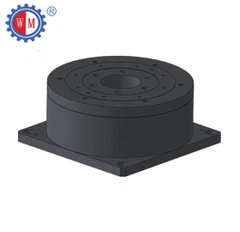
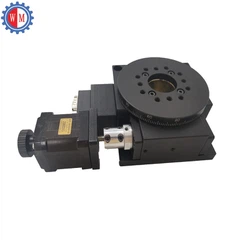
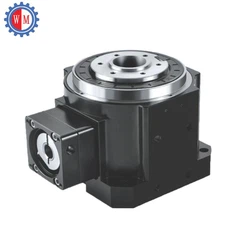
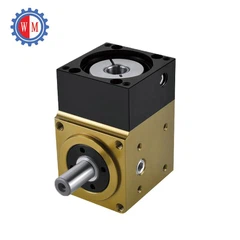
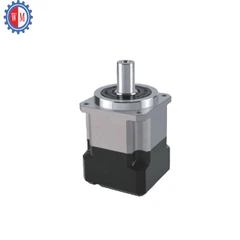
As a supplier of planetary actuators, I offer a wide range of products to meet the needs of different applications. For example, we have the Circular Flange Output Rotary Actuator, which is designed for applications that require high torque and precise control. We also have the Solid Shaft Planetary Actuator, which is ideal for applications that require a compact and lightweight design. And if you need a right-angle reducer, we have the Spur Gear Right Angle Reducer, which offers high efficiency and low noise operation.
In addition to providing high-quality products, I also offer expert advice and support to help you select the right actuator for your application and ensure that it's installed and maintained correctly. If you're experiencing problems with your planetary actuator or if you're not sure which product is right for you, don't hesitate to get in touch. I'm here to help you find the best solution for your needs.
To sum it up, overload can have a significant impact on the life of planetary actuators. It can cause mechanical and thermal damage, reduce performance, and lead to premature failure. By understanding the signs of overload and taking steps to prevent it, you can ensure that your actuators operate smoothly and efficiently for years to come. And if you're in the market for a new planetary actuator, I invite you to check out our range of products and get in touch with me to discuss your requirements. I'm confident that I can help you find the perfect solution for your application.
References
- "Planetary Gearbox Design and Application Handbook"
- "Industrial Actuator Maintenance Guide"
- "Mechanical Engineering Principles for Actuators"


