

As a supplier of Motorized Gimbal Stages, one question I often get asked is, "Can a motorized gimbal stage rotate continuously?" This is a crucial query for many industries, especially those involved in precision testing, aerospace, and robotics. In this blog post, I'll delve into the technical aspects of motorized gimbal stages and explore whether continuous rotation is achievable.
Understanding Motorized Gimbal Stages
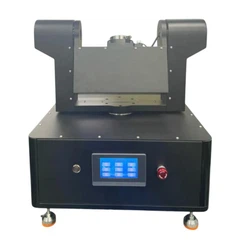
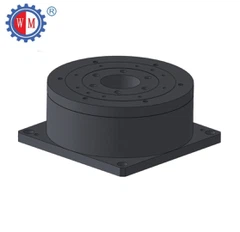
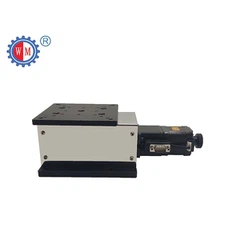
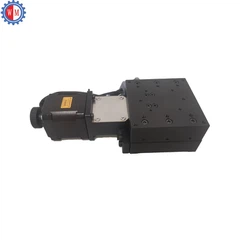
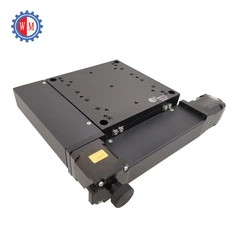
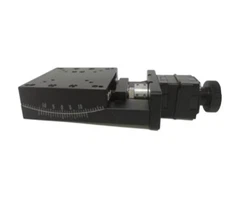
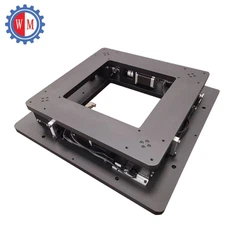
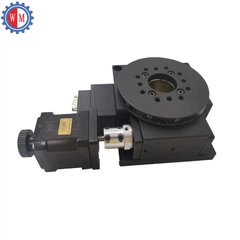
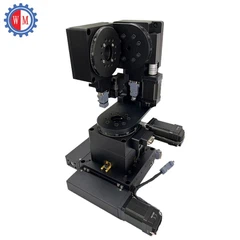
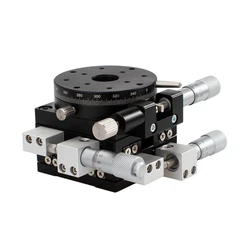
Before we answer the question, let's first understand what a motorized gimbal stage is. A motorized gimbal stage is a device that allows for the precise movement and positioning of an object in multiple axes. It typically consists of a platform mounted on a set of rotating joints, driven by motors. These stages are used in a wide range of applications, including camera stabilization, inertial sensor testing, and satellite antenna pointing.
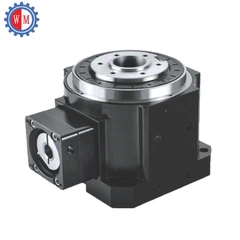
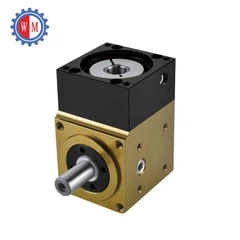
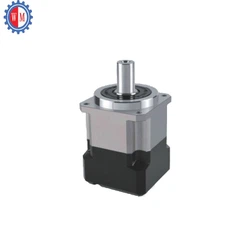
The key components of a motorized gimbal stage include the motors, gearboxes, encoders, and control systems. The motors provide the power to rotate the platform, while the gearboxes ensure smooth and precise movement. Encoders are used to measure the position and speed of the platform, allowing for accurate control. The control system coordinates the movement of the motors based on the input from the user or a pre-programmed algorithm.
Can a Motorized Gimbal Stage Rotate Continuously?
The short answer is yes, a motorized gimbal stage can rotate continuously. However, there are several factors that need to be considered to ensure reliable and efficient continuous rotation.
Motor Type
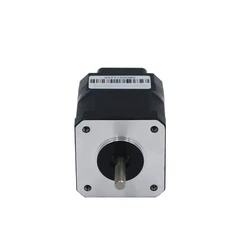
The type of motor used in the gimbal stage plays a crucial role in its ability to rotate continuously. Stepper motors and servo motors are the two most common types of motors used in motorized gimbal stages.
Stepper motors are known for their precise positioning and ability to hold a position without power. However, they are not well-suited for continuous rotation at high speeds. Stepper motors operate in discrete steps, and at high speeds, they may experience "step loss," which can lead to inaccurate positioning.
Servo motors, on the other hand, are designed for continuous rotation and can achieve high speeds and torques. They use a feedback control system to maintain a constant speed and position, making them ideal for applications that require continuous rotation. However, servo motors are more expensive and complex than stepper motors.


Power and Heat Dissipation
Continuous rotation requires a significant amount of power, which can generate a lot of heat. Excessive heat can damage the motors, gearboxes, and other components of the gimbal stage. Therefore, it is essential to ensure proper power supply and heat dissipation.
Most motorized gimbal stages are designed to operate within a specific temperature range. To prevent overheating, the stages may be equipped with cooling fans, heat sinks, or other cooling mechanisms. Additionally, the power supply should be able to provide a stable and sufficient amount of power to the motors.
Mechanical Limitations
In addition to the motor and power requirements, there are also mechanical limitations to consider. The design of the gimbal stage, including the size and type of bearings, gears, and joints, can affect its ability to rotate continuously.
For example, some gimbal stages may have a limited range of motion due to mechanical stops or interference between components. Others may experience increased friction or wear at high speeds, which can reduce the lifespan of the stage. Therefore, it is important to choose a gimbal stage that is designed for continuous rotation and can withstand the mechanical stresses involved.
Applications of Continuously Rotating Motorized Gimbal Stages
Continuous rotation is required in many applications, including:
Inertial Sensor Testing
Inertial sensors, such as accelerometers and gyroscopes, are used in a wide range of applications, including aerospace, automotive, and robotics. To ensure the accuracy and reliability of these sensors, they need to be tested under various conditions, including continuous rotation.
A Dual-Axis Inertial Navigation Test Bench For Inertial Sensor And IMU Evaluation is a type of motorized gimbal stage that is specifically designed for testing inertial sensors. It allows for the precise rotation of the sensor in multiple axes, simulating the real-world conditions in which the sensor will be used.
Camera Stabilization
In the field of photography and videography, camera stabilization is essential for capturing smooth and steady footage. Motorized gimbal stages are often used to stabilize cameras, allowing them to rotate continuously and follow the subject.
These gimbal stages use a combination of motors and sensors to detect the movement of the camera and adjust the position of the platform accordingly. This ensures that the camera remains stable and focused on the subject, even when the operator is moving or the camera is being shaken.
Satellite Antenna Pointing
Satellite antennas need to be pointed accurately at the satellite to ensure a strong and reliable signal. Motorized gimbal stages are used to control the orientation of the antenna, allowing it to rotate continuously and track the satellite as it moves across the sky.
These gimbal stages are typically equipped with high-precision motors and encoders to ensure accurate positioning. They also need to be able to withstand the harsh environmental conditions in space, including extreme temperatures, radiation, and vacuum.
Conclusion
In conclusion, a motorized gimbal stage can rotate continuously, but it requires careful consideration of several factors, including the motor type, power and heat dissipation, and mechanical limitations. By choosing the right gimbal stage and ensuring proper installation and maintenance, you can achieve reliable and efficient continuous rotation for your application.
If you're interested in learning more about our Motorized Gimbal Stages or have any questions about continuous rotation, please don't hesitate to contact us. We'd be happy to discuss your specific requirements and help you find the best solution for your needs.
References
- "Motion Control Handbook," by Michael J. Zollo
- "Servo Motors and Industrial Control Theory," by Charles L. Phillips and Royce D. Harbor
- "Stepper Motor Handbook," by Peter C. Senning


