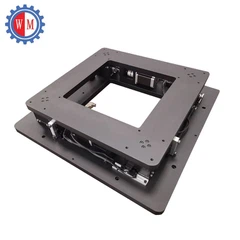
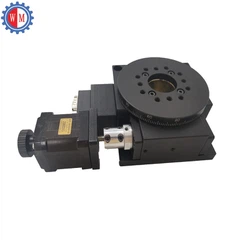
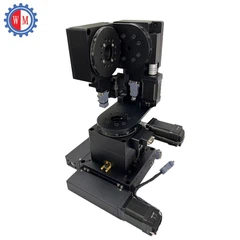
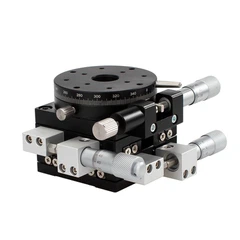
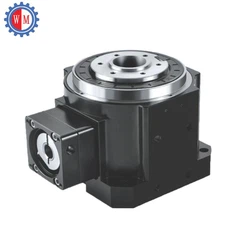
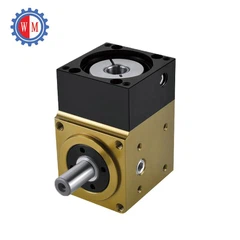
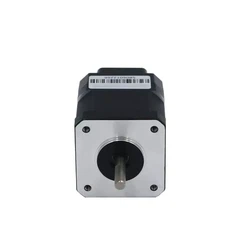


In the dynamic landscape of manufacturing, plastic injection molding is a pivotal process. It's known for its efficiency, precision, and ability to mass - produce plastic parts with high quality. As a reliable supplier of Manual Rotating Stage, I've delved deep into understanding how this equipment can integrate with plastic injection molding machines.
Understanding Plastic Injection Molding Machines
Plastic injection molding machines are at the heart of the plastic manufacturing industry. They work by melting plastic pellets and injecting the molten plastic into a mold cavity. Once the plastic cools and solidifies, the mold opens, and the finished part is ejected. These machines are classified into different types, such as hydraulic, electric, and hybrid, each with its own set of advantages and applications.
Hydraulic machines are well - known for their high clamping force, which is essential for large - scale injection molding. They use a hydraulic system to power the movement of the mold and the injection process. Electric machines, on the other hand, offer greater precision and energy efficiency. They are often favored for applications that require high - precision molding, such as medical devices and electronic components. Hybrid machines combine the best of both worlds, utilizing aspects of both hydraulic and electric systems.
What is a Manual Rotary Stage?
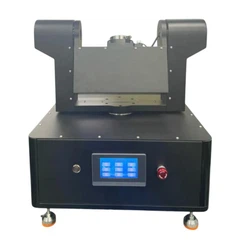
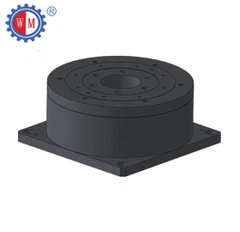
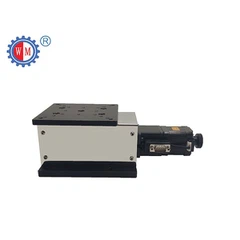
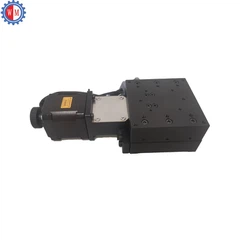
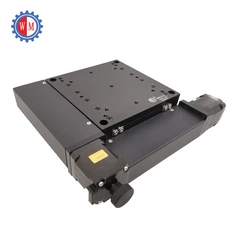
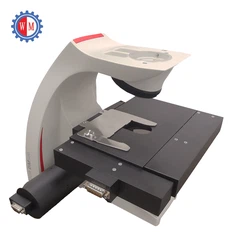
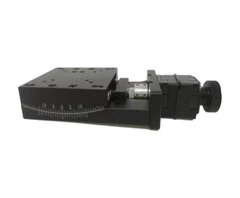
A manual rotary stage is a mechanical device that allows for precise rotation of an object. It consists of a base, a rotating platform, and a mechanism for adjusting the rotation. The rotation can be controlled manually through a hand wheel or other manual adjustment tools.
Manual rotary stages come in various sizes, load capacities, and angular resolutions. The load capacity determines the maximum weight that the stage can support, while the angular resolution indicates the smallest angle by which the stage can be rotated accurately. These features make manual rotary stages versatile and suitable for a wide range of applications in research, testing, and manufacturing.
The Potential Use of Manual Rotary Stages in Plastic Injection Molding Machines
1. Multi - cavity Molding
In plastic injection molding, multi - cavity molds are often used to increase production efficiency. A multi - cavity mold contains multiple identical or different cavities, allowing multiple parts to be molded simultaneously. A manual rotary stage can be used to precisely position the multi - cavity mold during the injection process. This ensures that each cavity is correctly aligned with the injection nozzle, leading to uniform filling and high - quality parts.
For example, in the production of small plastic parts like buttons or connectors, a multi - cavity mold with dozens of cavities can be mounted on a manual rotary stage. The operator can manually rotate the stage to align each cavity with the injection nozzle, ensuring that each part is molded with the same quality and dimensions.
2. Insert Molding
Insert molding is a process where pre - formed inserts, such as metal components or other plastic parts, are placed into the mold before the injection of plastic. The molten plastic then encapsulates the inserts, creating a single, integrated part. A manual rotary stage can be used to accurately position the inserts within the mold.
In the automotive industry, insert molding is commonly used to produce parts like sensors and connectors. The inserts, which are often delicate and require precise alignment, can be placed on the manual rotary stage. The operator can then rotate the stage to the correct position, ensuring that the inserts are accurately placed within the mold for the injection process.
3. Ejection and Post - processing
After the plastic part is molded, it needs to be ejected from the mold and may require some post - processing, such as trimming or inspection. A manual rotary stage can be used to position the molded part for ejection and post - processing.
The stage can be rotated to place the mold in the optimal position for the ejection mechanism to work efficiently. Once the part is ejected, the stage can also be used to move the part to the post - processing area. For instance, in a quality control inspection station, the manual rotary stage can be used to rotate the part to different angles, allowing for a comprehensive visual inspection.
Advantages of Using Manual Rotary Stages in Plastic Injection Molding
1. Cost - effectiveness
Manual rotary stages are generally more affordable compared to their automated counterparts. For small and medium - sized plastic injection molding manufacturers, the cost of purchasing and maintaining automated equipment can be a significant barrier. Manual rotary stages offer a cost - effective solution without sacrificing too much precision.
The initial investment in a manual rotary stage is relatively low, and there are no additional costs associated with programming and operating complex automation systems. This makes it an attractive option for companies looking to improve their production processes without breaking the bank.
2. Flexibility
Manual rotary stages provide a high degree of flexibility. Operators can easily adjust the rotation angle and speed according to the specific requirements of each molding process. This is particularly useful in small - batch production or when dealing with complex mold designs.
In a custom - made plastic part production, the operator may need to make frequent adjustments to the mold position. With a manual rotary stage, these adjustments can be made quickly and without the need for reprogramming, which is often required in automated systems.
3. Ease of Use
Manual rotary stages are simple and intuitive to operate. They do not require extensive training for operators to use effectively. This is beneficial for manufacturers who may have a high turnover of employees or who need to quickly train new workers.
The hand - wheel operation of a manual rotary stage is straightforward, and operators can easily learn how to control the rotation and positioning of the stage. This reduces the learning curve and allows for faster implementation of the equipment in the production process.
Challenges and Considerations
1. Precision Limitations
While manual rotary stages can provide a certain level of precision, they may not be as accurate as automated rotary stages. In applications that require extremely high precision, such as micro - injection molding, the limitations of manual rotary stages may become apparent.
The angular resolution of a manual rotary stage is typically limited by the mechanical design and the operator's ability to make precise adjustments. In some cases, the operator may introduce small errors during the manual adjustment process, which can affect the quality of the molded parts.
2. Productivity
Manual operation of the rotary stage can be time - consuming compared to automated systems. In high - volume production environments, the time taken for manual adjustments can slow down the overall production process.
For large - scale plastic injection molding operations, where thousands of parts need to be produced per day, the productivity of a manual rotary stage may not be sufficient. Automated rotary stages can perform the same tasks much faster and with less human intervention, leading to higher production rates.


3. Operator Fatigue
Continuous manual operation of the rotary stage can lead to operator fatigue. Over time, fatigue can affect the operator's accuracy and efficiency, increasing the risk of errors and accidents in the production process.
To mitigate this, manufacturers may need to implement proper work - rest schedules and provide ergonomic support for operators using manual rotary stages.
Conclusion
A manual rotary stage can indeed be used in a plastic injection molding machine, offering several advantages such as cost - effectiveness, flexibility, and ease of use. It can enhance the production process in multi - cavity molding, insert molding, and ejection/post - processing operations. However, it also has its limitations, including precision issues, productivity concerns, and operator fatigue.
For small and medium - sized manufacturers, or those engaged in small - batch or custom - made production, a manual rotary stage can be a valuable addition to their plastic injection molding setup. If you are interested in exploring how our Manual Rotating Stage can improve your plastic injection molding process, feel free to get in touch for a detailed discussion and purchasing consultation.
References
- "Plastic Injection Molding Handbook" by O. Osswald, T. Turng, and P. Gramann
- "Machine Design for Manufacturing" by Ryan K. Wicker, Christopher Williams, and Brent Stucker
- Industry reports on plastic injection molding machinery trends


