


Are motorized lab jacks compatible with robotic systems? That's a question I get asked a lot as a supplier of motorized lab jacks. In this blog post, I'm going to break down the ins and outs of this compatibility, share some real - world insights, and give you a clear picture of what to expect.
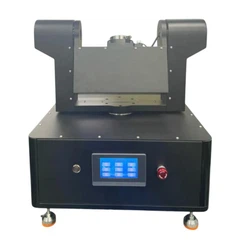
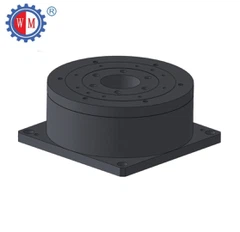
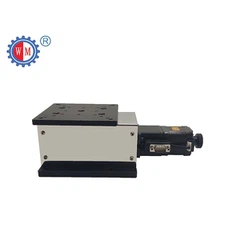
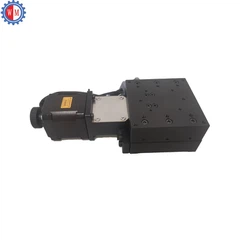
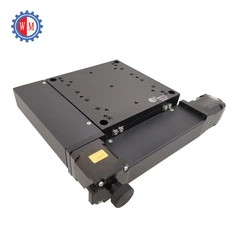
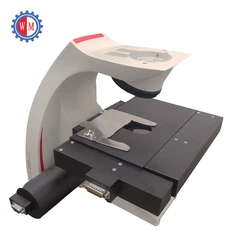
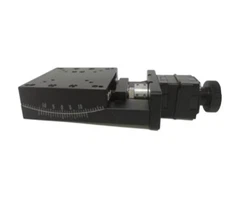
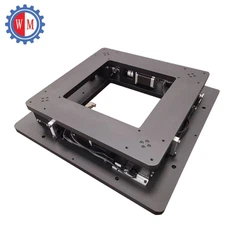
First off, let's talk about what motorized lab jacks are. These are nifty little devices that provide vertical movement in a laboratory setting. They're powered by motors, which means you can control their up - and - down motion precisely. This is super useful for tasks like adjusting the height of equipment, positioning samples, and more. We offer a range of motorized lab jacks, including the Motorized Lift Stage, Motor Z Translation Stage, and Heavy Load Lab Scissor Jack. Each of these has its own unique features and capabilities, but they all share the common goal of providing reliable vertical movement.
Now, let's get into the heart of the matter: compatibility with robotic systems. Robotic systems are becoming more and more common in labs these days. They offer precision, repeatability, and the ability to handle complex tasks. When it comes to integrating motorized lab jacks with these robotic systems, there are a few key factors to consider.
One of the most important factors is communication. Motorized lab jacks need to be able to "talk" to the robotic system. This usually means having a compatible communication protocol. Most modern motorized lab jacks come with standard interfaces like USB, RS - 232, or Ethernet. These interfaces allow the robotic system to send commands to the lab jack and receive feedback on its position and status. For example, if the robotic system needs to adjust the height of a sample, it can send a command to the motorized lab jack to move up or down to the desired position.
Another factor is mechanical compatibility. The motorized lab jack needs to fit into the overall setup of the robotic system. This includes things like the size and shape of the lab jack, as well as its mounting options. Our motorized lab jacks are designed with flexibility in mind. They come in different sizes and have multiple mounting holes, which makes it easier to integrate them into a variety of robotic systems. Whether you're working with a small benchtop robot or a large industrial - scale robotic setup, we've got a lab jack that can work for you.
Power requirements are also crucial. The robotic system and the motorized lab jack need to have compatible power sources. Most motorized lab jacks operate on low - voltage DC power, which is commonly available in lab environments. However, it's important to make sure that the power supply of the robotic system can provide enough power to run the lab jack. If the power supply is not sufficient, the lab jack may not operate properly or may even be damaged.
In addition to these technical factors, there's also the issue of software integration. The software that controls the robotic system needs to be able to support the operation of the motorized lab jack. This may involve writing custom code or using pre - existing software libraries. Many of our customers have found that with a little bit of programming, they can easily integrate our motorized lab jacks into their existing robotic software.
Let's take a look at some real - world examples of how motorized lab jacks are being used with robotic systems. In a pharmaceutical research lab, a robotic system is used to perform high - throughput screening of drug candidates. The motorized lab jack is used to adjust the height of the sample plates, allowing the robotic system to access different wells with precision. This setup has significantly increased the efficiency of the screening process, as the robotic system can quickly and accurately move between samples.
In a materials science lab, a robotic arm is used to perform micro - indentation tests on various materials. The motorized lab jack is used to position the sample at the correct height for the indentation test. This ensures that the test is performed accurately and consistently, leading to more reliable results.
So, to answer the question: yes, motorized lab jacks are generally compatible with robotic systems. With the right communication protocol, mechanical compatibility, power supply, and software integration, they can be a valuable addition to any robotic lab setup.
If you're thinking about integrating a motorized lab jack into your robotic system, I'd love to help. We've got a team of experts who can provide you with all the information you need and help you choose the right lab jack for your specific application. Whether you're just starting out with robotic systems or you're looking to upgrade your existing setup, we can work with you to find the best solution.
Don't hesitate to reach out if you have any questions or if you'd like to discuss your requirements in more detail. We're here to make the process of integrating motorized lab jacks with your robotic system as smooth and hassle - free as possible.
References


- Industry standards for laboratory equipment communication protocols
- Case studies on the integration of motorized devices in robotic laboratory setups
- Technical specifications of our motorized lab jacks


