

Okay, here's a blog in a conversational style:
Hey there! As a supplier of manual stages, I often get asked a crucial question: “Who is responsible for operating the Manual Stage?” It's not as straightforward as it might seem, so let's break it down.
The Role of the Manufacturer
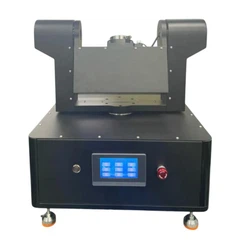
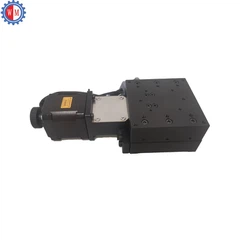
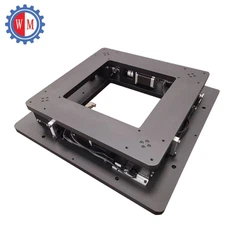
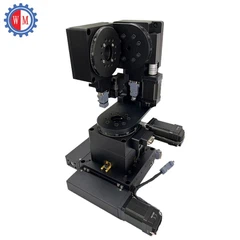
We, as manual stage suppliers, have a fair share of the responsibility. First off, when a customer buys a manual stage like the Pitch Yaw Roll Manual Tilt Stage, we need to make sure it's in top - notch condition. That means the product goes through rigorous testing and quality checks before it leaves our facility.
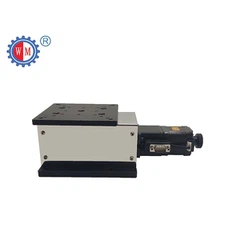
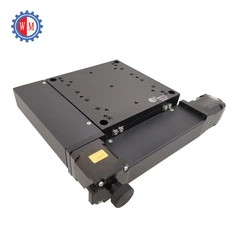
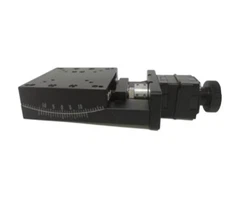
We're also responsible for providing comprehensive documentation. A good user manual can be a game - changer. It should clearly state how to assemble the manual stage, how to perform basic adjustments, and what the safety precautions are. For instance, if you've purchased a Manual XY Axis Positioning Stage, the manual should explain how to move the stage along the X and Y axes, and how to lock it in place for accurate positioning.
Another thing on our plate is after - sales support. If a user runs into any issues, whether it's a mechanical problem or confusion about the operation, we should be there with a helping hand. That could involve providing troubleshooting guides over the phone, or in more serious cases, sending a technician to the customer's site if necessary.
The User's Responsibilities
Now, let's shift the focus to the user. Once the manual stage is installed at your place, you've got a big role to play. First, you need to read the user manual thoroughly. I know, it sounds like a pain, but trust me, it's worth it. Skipping the manual is like trying to drive a car without knowing how the pedals work.
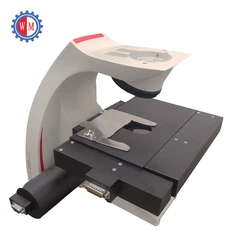
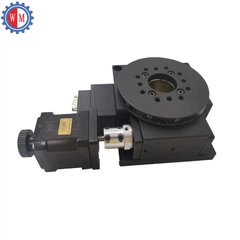
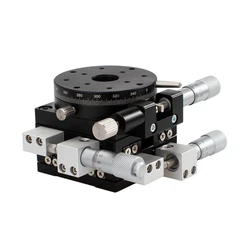
For example, if you're using an XYZR Axis Manual Stage, understanding the different axes and how they interact is key. You need to know how to perform fine - tuned adjustments to get the precise position you want.
Maintenance is also a huge part of the user's responsibility. Manual stages, like any other mechanical equipment, need regular care. You should keep the stage clean, free from dust and debris. Lubrication of moving parts is often required, and you need to follow the guidelines in the manual on how often and what type of lubricant to use.
Safety is another area where users are in the hot seat. When operating the stage, you need to follow all the safety precautions. This might include wearing appropriate safety gear, like gloves or safety glasses, depending on the nature of the work. You also need to make sure the stage is properly secured to prevent it from tipping over or causing any accidents.


The Supervisor's Role
In a workplace setting, there's usually a supervisor involved. The supervisor is like the traffic cop of the operation. They need to ensure that the users are following the correct procedures. That means checking that the manuals are being read and understood, and that the safety measures are being adhered to.
Supervisors should also organize proper training sessions for new users. Training can be a great way to reduce the risk of errors. It gives users hands - on experience and a chance to ask questions in a controlled environment.
Moreover, the supervisor is responsible for inspecting the manual stage regularly. They need to check for any signs of wear and tear, and make sure that maintenance schedules are being followed. If they notice any potential issues, they should take prompt action, whether it's ordering replacement parts or contacting the supplier for further assistance.
Collaboration between All Parties
The key to the successful operation of a manual stage is collaboration between the manufacturer, the user, and the supervisor. We, as suppliers, need to make sure that our communication channels are open. If a user has an idea for improvement or a problem that we can't immediately solve, we should work together to find a solution.
Users and supervisors should also provide feedback to the manufacturer. This feedback can be invaluable in improving the design and functionality of future manual stages. For example, if users find that a certain adjustment mechanism is difficult to use, the manufacturer can take that into account when developing new products.
To sum it up, everyone involved in the use of a manual stage has a role to play. The manufacturer sets the foundation with quality products and support, the user operates and maintains the stage on a day - to - day basis, and the supervisor oversees the whole process to ensure everything runs smoothly.
If you're in the market for a manual stage or have any questions about our products, don't hesitate to get in touch for a procurement discussion. We're here to help you find the best solution for your needs.
References
- General knowledge about manual stage operation and manufacturing best practices.
- Industry standards and guidelines for mechanical equipment operation and maintenance.


