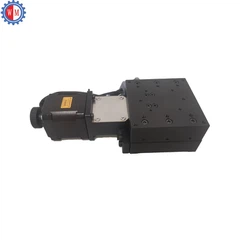
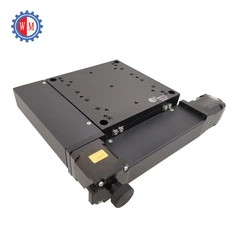
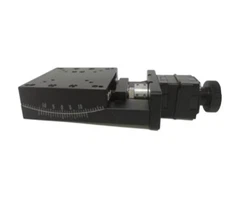


Hey there! As a supplier of Manual Z - Axis Stages, I often get asked about the temperature range for their normal operation. So, let's dive right into it.
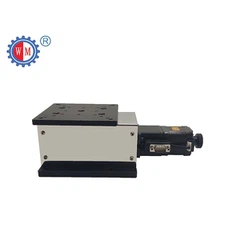
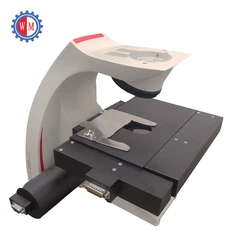
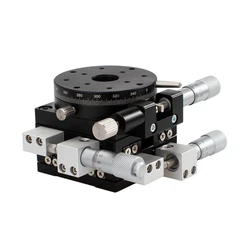
First off, what are Manual Z - Axis Stages? Well, they're these nifty tools that allow for precise vertical movement. You can use them in all sorts of applications, like in a lab for positioning samples under a microscope, or in manufacturing for aligning components. They're super handy, but like any piece of equipment, they have their limits, especially when it comes to temperature.
Why Temperature Matters
Temperature can have a big impact on the performance of Manual Z - Axis Stages. You see, different materials expand and contract at different rates when the temperature changes. Most of these stages are made from metals like aluminum or steel. When it gets hot, these metals expand. And when it's cold, they contract. This expansion and contraction can mess with the precision of the stage.
For example, if you're using a stage in a high - temperature environment, the parts might expand slightly. This can lead to a looser fit between the moving components, which means less accurate positioning. On the other hand, in a cold environment, the parts contract. This can make the movement stiffer, and in extreme cases, it might even cause parts to seize up.


The Ideal Temperature Range
So, what's the sweet spot for the normal operation of Manual Z - Axis Stages? Generally speaking, the ideal temperature range is between 20°C and 25°C (68°F and 77°F). This is what we call "room temperature." At these temperatures, the materials that make up the stage are at their most stable. The expansion and contraction are minimal, which means you get the best possible precision and smooth movement.
But let's be real, not all work environments are going to be at a perfect 20 - 25°C. That's why it's important to understand how the stages can handle different temperature ranges.
Working in Higher Temperatures
If you need to use your Manual Z - Axis Stage in a warmer environment, say up to 40°C (104°F), it can usually still work okay. However, you might notice a few things. The stage might move a bit more slowly because the lubricants used in the moving parts can get thinner at higher temperatures. This can reduce the friction between the parts, but it also means that the movement might not be as controlled.
Also, the expansion of the metal parts can cause some minor misalignments. You might need to make some small adjustments to the stage to keep it working accurately. And if you're using the stage for a long time in a high - temperature environment, it's a good idea to give it some breaks to cool down.
Dealing with Lower Temperatures
On the flip side, working in colder temperatures can be a challenge too. If the temperature drops below 10°C (50°F), the lubricants in the stage can thicken. This makes the movement of the stage feel stiffer, and you might have to apply more force to move it.
At extremely low temperatures, say below 0°C (32°F), there's a risk of the stage freezing up. Water vapor in the air can condense on the stage and turn into ice, which can damage the moving parts. If you have to use the stage in cold conditions, it's important to keep it well - insulated and make sure it's dry.
How to Choose the Right Stage for Your Temperature Environment
When you're looking to buy a Manual Z - Axis Stage, it's important to consider the temperature conditions of your work environment. If you're going to be working in a place with a wide range of temperatures, you might want to look for a stage that's designed to be more temperature - resistant.
Some stages are made with special materials that have a lower coefficient of thermal expansion. This means they expand and contract less with temperature changes. Others might have better insulation or heating/cooling mechanisms built - in to help maintain a stable temperature.
And if you're interested in checking out our Manual Vertical Stage, it's a great option that offers good performance across a reasonable temperature range.
Tips for Maintaining Your Stage in Different Temperatures
Here are some tips to help you keep your Manual Z - Axis Stage in good shape, no matter the temperature:
- Regular Cleaning: In high - temperature environments, dust and debris can build up more quickly. Regularly clean the stage to prevent any particles from getting into the moving parts.
- Lubrication: Check the lubrication of the stage regularly. In cold temperatures, you might need to use a lubricant that's designed for low - temperature use.
- Storage: When you're not using the stage, store it in a temperature - controlled environment. This will help prevent any long - term damage from temperature fluctuations.
Conclusion
In conclusion, the normal temperature range for the operation of Manual Z - Axis Stages is ideally between 20°C and 25°C. But they can still work in a wider range, from around 10°C to 40°C, with some adjustments and precautions. Understanding how temperature affects your stage is crucial for getting the best performance and longevity out of it.
If you're in the market for a Manual Z - Axis Stage or have any questions about how our products can handle different temperature conditions, don't hesitate to reach out. We're here to help you find the right solution for your needs. Whether you're a researcher in a lab or a manufacturer on the production line, we've got the stage that can work for you. So, let's start a conversation and see how we can help you with your next project!
References
- Engineering textbooks on material science and thermal properties.
- Manufacturer's specifications for Manual Z - Axis Stages.


