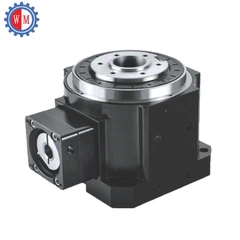
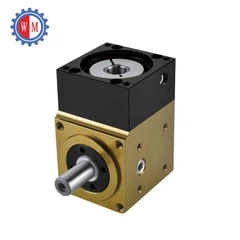


Hey there! As a supplier of Motorized Rotary Tables, I often get asked about the heat dissipation efficiency of these nifty pieces of equipment. So, let's dive right in and chat about what it means and why it's so important.
First off, what exactly is heat dissipation efficiency? Well, when a motorized rotary table is in operation, the motor inside generates heat. This is just a natural by - product of the electrical energy being converted into mechanical energy. Heat dissipation efficiency refers to how well the rotary table can get rid of this excess heat. If the heat isn't dissipated effectively, it can lead to a whole bunch of problems.
One of the main issues with poor heat dissipation is that it can cause the motor to overheat. When a motor overheats, its performance starts to degrade. The motor might lose torque, which means it won't be able to rotate the table as smoothly or with as much force as it should. In some cases, overheating can even cause permanent damage to the motor, leading to costly repairs or replacements.
So, how do we measure the heat dissipation efficiency of a motorized rotary table? There are a few key factors to consider.
1. Material of the Housing
The material of the rotary table's housing plays a huge role in heat dissipation. Metals like aluminum are great conductors of heat. They can quickly absorb the heat generated by the motor and transfer it to the surrounding environment. Aluminum is lightweight, which is an added bonus as it doesn't add too much extra weight to the rotary table. On the other hand, if the housing is made of a poor heat - conducting material like plastic, the heat will be trapped inside, and the efficiency will be significantly lower.
2. Cooling Design
Many motorized rotary tables come with built - in cooling designs. Some have fins on the outside of the housing. These fins increase the surface area of the housing, allowing more heat to be transferred to the air. Think of it like a radiator in a car. The more surface area it has, the better it can cool the engine.
Another common cooling design is the use of fans. A small fan can be installed near the motor to blow air over it, helping to carry away the heat. This forced - air cooling can significantly improve the heat dissipation efficiency, especially in high - performance rotary tables that generate a lot of heat.
3. Ventilation
Proper ventilation is crucial. The rotary table needs to have adequate openings or vents to allow air to flow in and out. If the vents are blocked or too small, the air circulation will be restricted, and the heat will build up inside. When installing a motorized rotary table, it's important to make sure there's enough space around it for proper air movement.
Now, let's talk about how heat dissipation efficiency affects different types of motorized rotary tables.


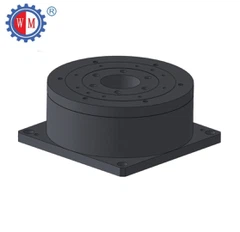
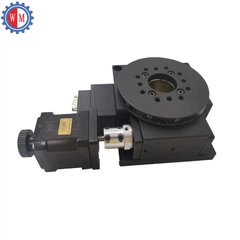
Minature Rotary Positioning Stage
The Minature Rotary Positioning Stage is a compact and precise piece of equipment. Due to its small size, it might not generate as much heat as larger rotary tables. However, because of its limited space, heat dissipation can still be a challenge. The housing material and any built - in cooling features become even more important. A well - designed miniature rotary positioning stage will have a high - quality aluminum housing and perhaps some small ventilation holes to keep the motor cool.
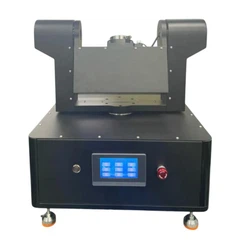
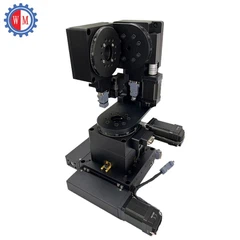
Programmable Motor Rotation Stage
The Programmable Motor Rotation Stage is often used in more complex and demanding applications. These stages might operate at higher speeds and with more torque, which means they generate more heat. To ensure good heat dissipation, they usually come with advanced cooling designs. For example, they might have a combination of fins and a powerful fan to keep the motor at an optimal temperature. This allows the stage to maintain its accuracy and performance over long periods of operation.
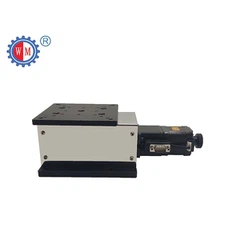
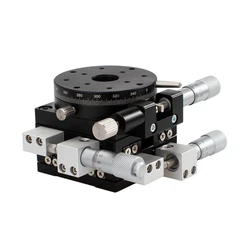
100mm 4 Inch Motorized Rotation Stage
The 100mm 4 Inch Motorized Rotation Stage is a popular choice for many industrial applications. Its size gives it a bit more room for heat dissipation features. It can have a larger housing with more surface area for heat transfer, and it might also be able to accommodate a larger fan or more elaborate ventilation system. This helps to keep the motor cool, even when the table is running continuously.
So, why should you care about heat dissipation efficiency when choosing a motorized rotary table? Well, a rotary table with high heat dissipation efficiency will last longer, perform better, and require less maintenance. You won't have to worry about sudden breakdowns due to overheating, and you'll get more consistent results from your equipment.
If you're in the market for a motorized rotary table, it's important to ask about the heat dissipation features. Look for tables made of good heat - conducting materials, with well - thought - out cooling designs and proper ventilation.
At our company, we take heat dissipation efficiency very seriously. We've spent a lot of time researching and developing our motorized rotary tables to ensure they have the best possible heat dissipation performance. Our engineers are constantly looking for new ways to improve the cooling designs and use the latest materials to keep our tables running cool and efficient.
If you're interested in learning more about our motorized rotary tables or have any questions about heat dissipation efficiency, we'd love to hear from you. Just reach out to us, and we can start a conversation about your specific needs. Whether you're looking for a Minature Rotary Positioning Stage, a Programmable Motor Rotation Stage, or a 100mm 4 Inch Motorized Rotation Stage, we've got you covered. Let's work together to find the perfect solution for your application.
References
- "Motor Handbook" by Arnold Tustin
- "Thermal Management of Electronic Systems" by Avram Bar - Cohen


