
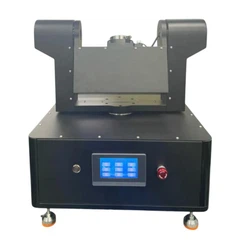
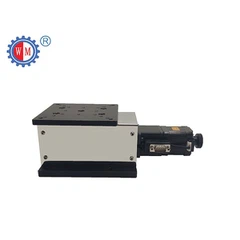
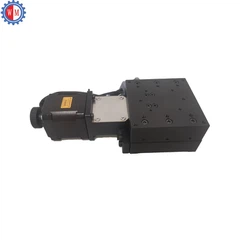
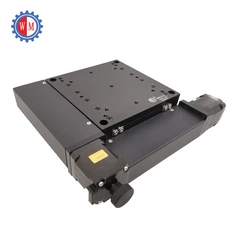
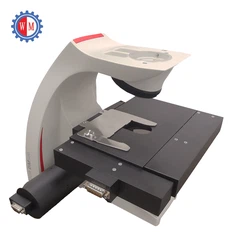
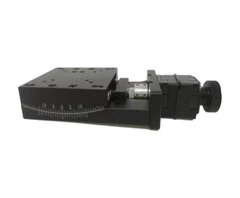
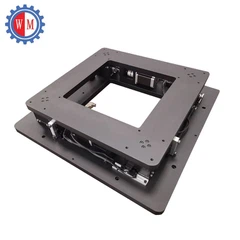
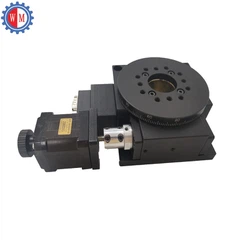
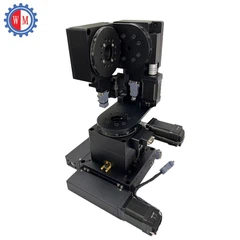
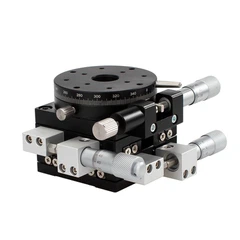
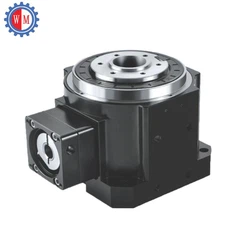


Hey there! As a supplier of Manual X - Axis Stages, I often get asked about the electrical insulation of these nifty devices. So, let's dive right in and explore what electrical insulation in Manual X - Axis Stages is all about.
First things first, what exactly is electrical insulation? Well, in simple terms, electrical insulation is a material that resists the flow of electric current. It's like a protective shield that keeps electricity from going where it's not supposed to. In the context of Manual X - Axis Stages, electrical insulation plays a crucial role in ensuring the safe and proper operation of the equipment.


Manual X - Axis Stages are used in a wide range of applications, from scientific research to industrial manufacturing. In many of these applications, there are electrical components nearby or even integrated into the stage itself. Without proper electrical insulation, there could be a risk of electrical short - circuits, which can not only damage the stage but also pose a safety hazard to the users.
Let's take a look at some of the key aspects of electrical insulation in Manual X - Axis Stages.
Materials Used for Electrical Insulation
The choice of insulation material is super important. There are several materials commonly used for electrical insulation in these stages.
One of the most popular materials is plastic. Plastics like polycarbonate, polyethylene, and nylon are great insulators. They are lightweight, easy to mold into different shapes, and relatively inexpensive. For example, polycarbonate has excellent electrical properties, high impact resistance, and can withstand a wide range of temperatures. This makes it a great choice for parts of the Manual X - Axis Stage that need to be both insulating and durable.
Ceramics are another excellent option. They have high dielectric strength, which means they can withstand a large electric field without breaking down. Ceramics are also resistant to heat and chemicals, making them suitable for harsh environments. Some Manual X - Axis Stages use ceramic insulators in areas where high - voltage components are present.
How Electrical Insulation Affects Performance
Proper electrical insulation can have a significant impact on the performance of Manual X - Axis Stages.
For one, it helps to reduce electrical noise. Electrical noise can interfere with the accuracy of the stage's movement. When there is no insulation or poor insulation, electrical currents can leak and create unwanted electrical signals. These signals can cause the stage to move erratically or give inaccurate position readings. By having good insulation, we can minimize this electrical noise and ensure that the stage operates smoothly and precisely.
Insulation also protects the internal components of the stage from electrical damage. In industrial settings, there may be high - voltage equipment nearby. If the Manual X - Axis Stage is not properly insulated, it could be affected by electrical surges or electromagnetic interference. This could lead to component failure and costly repairs.
Importance in Different Applications
Let's look at how electrical insulation is crucial in different industries that use Manual X - Axis Stages.
In the semiconductor industry, where precision is key, Manual X - Axis Stages are used for tasks like wafer testing and inspection. These tasks require extremely accurate positioning. Any electrical interference caused by poor insulation could lead to incorrect test results, which can be very costly. For example, a single faulty semiconductor wafer can cause production delays and financial losses. So, having well - insulated stages is essential to ensure the quality and reliability of the manufacturing process.
In the medical field, Manual X - Axis Stages are used in devices like microscopes and surgical robots. In these applications, safety is of utmost importance. Electrical insulation helps to protect patients and medical staff from electrical shocks. It also ensures that the equipment operates without any electrical glitches that could affect the accuracy of medical procedures.
Choosing the Right Insulated Manual X - Axis Stage
If you're in the market for a Manual X - Axis Stage, there are a few things to keep in mind when it comes to electrical insulation.
First, check the specifications provided by the manufacturer. Look for information about the insulation materials used, the dielectric strength, and any testing that has been done to ensure the insulation's effectiveness. A reputable manufacturer will be transparent about these details.
You might also want to consider the environment in which the stage will be used. If it's a high - humidity or high - temperature environment, you'll need a stage with insulation materials that can withstand these conditions.
Now, let me introduce some of our products. We offer a variety of Manual X - Axis Stages, including the Manual Micro X Axis Stage, the Single - Axis Manual Translation Stage, and the Manual Stage Micrometer. Each of these products is designed with high - quality electrical insulation to ensure reliable performance in different applications.
Wrapping Up
In conclusion, electrical insulation is a critical aspect of Manual X - Axis Stages. It not only ensures the safety of the users and the equipment but also plays a vital role in the performance and accuracy of the stages. Whether you're in the semiconductor industry, medical field, or any other sector that uses these stages, choosing a well - insulated stage is essential.
If you're interested in purchasing Manual X - Axis Stages for your business or project, don't hesitate to reach out. We're here to help you find the right stage with the best electrical insulation for your specific needs. Feel free to contact us for more information and to start a procurement discussion.
References
- Electrical Engineering Materials: An Overview. IEEE Journal of Electrical Insulation.
- Handbook of Insulation Materials for Industrial Applications. CRC Press.


