


Hey there! As a supplier of right angle reducers, I often get asked about the alignment requirements for these nifty pieces of machinery. So, I thought I'd take a few minutes to break it down for you and explain why proper alignment is crucial.
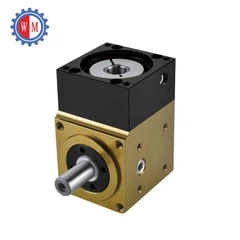
Let's start with the basics. A right angle reducer is a mechanical device that changes the direction of the input shaft by 90 degrees and typically reduces the speed of the output shaft while increasing torque. These reducers are used in a wide range of applications, from industrial machinery to automotive systems.
Why Alignment Matters
Proper alignment of a right angle reducer is essential for several reasons. First and foremost, it ensures the smooth operation of the reducer. When the input and output shafts are not aligned correctly, it can cause excessive vibration, noise, and wear on the gears and bearings. This not only reduces the efficiency of the reducer but also shortens its lifespan.
Secondly, misalignment can lead to premature failure of the reducer. Over time, the added stress on the components can cause them to break or wear out, resulting in costly repairs or replacements. In some cases, it can even cause damage to other parts of the system, leading to further downtime and expenses.


Finally, proper alignment is important for safety. A misaligned reducer can create a hazard in the workplace, especially if the vibration or noise it produces is significant. It can also increase the risk of accidents or injuries if the reducer fails unexpectedly.
Alignment Requirements
Now that we understand why alignment is important, let's take a look at the specific alignment requirements for a right angle reducer. There are two main types of alignment that need to be considered: angular alignment and parallel alignment.
Angular Alignment
Angular alignment refers to the alignment of the input and output shafts in the angular plane. In other words, it ensures that the shafts are at a 90-degree angle to each other. This is typically measured using a protractor or an angle gauge.
The acceptable angular misalignment for a right angle reducer depends on several factors, including the type of reducer, the speed of operation, and the load requirements. In general, most manufacturers recommend an angular misalignment of no more than 0.5 degrees. However, it's always best to consult the manufacturer's specifications for the specific reducer you're using to determine the exact requirements.
Parallel Alignment
Parallel alignment refers to the alignment of the input and output shafts in the parallel plane. In other words, it ensures that the shafts are parallel to each other. This is typically measured using a dial indicator or a laser alignment tool.
The acceptable parallel misalignment for a right angle reducer also depends on several factors, including the type of reducer, the speed of operation, and the load requirements. In general, most manufacturers recommend a parallel misalignment of no more than 0.002 inches per inch of shaft length. Again, it's important to consult the manufacturer's specifications for the specific reducer you're using to determine the exact requirements.
Alignment Procedures
Now that we know what the alignment requirements are, let's take a look at the steps involved in aligning a right angle reducer. The following is a general guide, but it's important to note that the specific procedures may vary depending on the type of reducer and the alignment tools you're using.
- Prepare the Equipment: Before you start aligning the reducer, make sure that the equipment is clean and free of any debris or contaminants. This will help ensure accurate measurements and prevent damage to the components.
- Mount the Reducer: Mount the right angle reducer to the equipment using the appropriate mounting bolts and hardware. Make sure that the reducer is securely fastened and that the mounting surface is flat and level.
- Check the Initial Alignment: Use a protractor or an angle gauge to check the initial angular alignment of the input and output shafts. If the shafts are not at a 90-degree angle to each other, make the necessary adjustments using the mounting bolts or shims.
- Check the Parallel Alignment: Use a dial indicator or a laser alignment tool to check the initial parallel alignment of the input and output shafts. If the shafts are not parallel to each other, make the necessary adjustments using the mounting bolts or shims.
- Fine-Tune the Alignment: Once you have achieved the initial alignment, use the alignment tools to fine-tune the alignment and ensure that the angular and parallel misalignments are within the acceptable limits. This may require making small adjustments to the mounting bolts or shims.
- Recheck the Alignment: After making the adjustments, recheck the alignment using the alignment tools to ensure that the angular and parallel misalignments are still within the acceptable limits. If necessary, make further adjustments until the alignment is correct.
- Secure the Alignment: Once you have achieved the correct alignment, tighten the mounting bolts and hardware to secure the alignment. Make sure that the bolts are tightened to the manufacturer's specifications to prevent loosening during operation.
Conclusion
In conclusion, proper alignment of a right angle reducer is essential for its smooth operation, longevity, and safety. By following the alignment requirements and procedures outlined in this blog post, you can ensure that your right angle reducer is properly aligned and operating at its best.
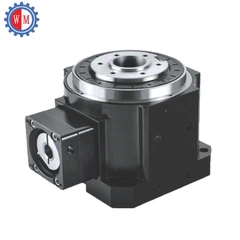
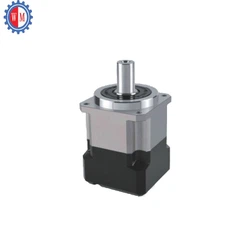
If you're in the market for a right angle reducer, we offer a wide range of high-quality products, including the Hollow Solid Shaft Right Angle Reducer and the Gear Head Speed Reducer. Our reducers are designed to meet the highest standards of quality and performance, and we offer competitive pricing and excellent customer service.
If you have any questions about our right angle reducers or need help with alignment, please don't hesitate to contact us. We'd be happy to discuss your specific requirements and help you find the right solution for your application. Let's start a conversation about your procurement needs and see how we can work together to improve your machinery's performance.
References
- Manufacturer's manuals for right angle reducers
- Industry standards and guidelines for shaft alignment


