
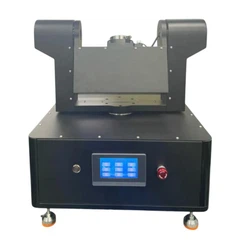
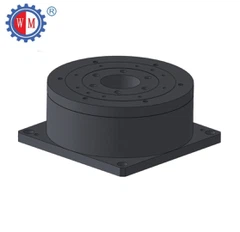
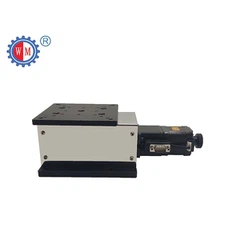
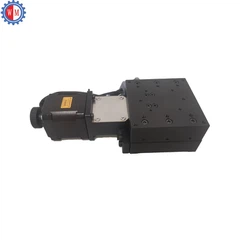
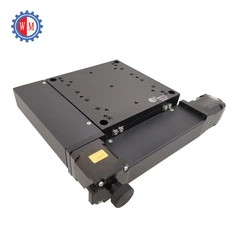
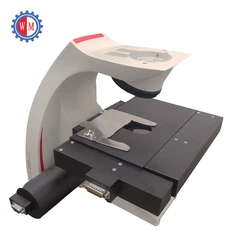
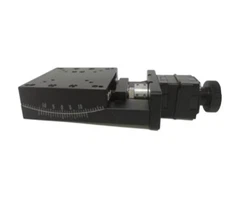
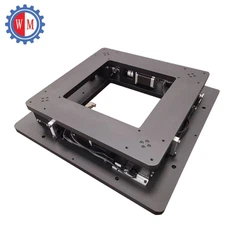


In the field of precision measurement and experimentation, the ability to accurately measure angles in confined spaces is crucial. A Manual Goniometer Table is an indispensable tool for achieving this task. As a supplier of Manual Goniometer Tables, I'd like to share some insights on how to effectively use this device in confined spaces.
Understanding the Manual Goniometer Table
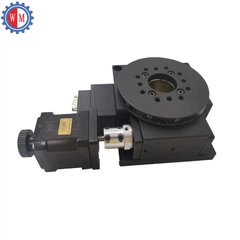
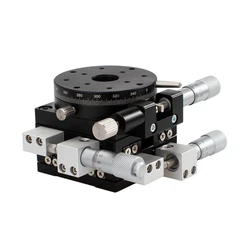
A Manual Goniometer Table is a precision instrument designed to measure and set angles with high accuracy. It typically consists of a base, a rotating platform, and a scale for angle measurement. The table can be adjusted manually to achieve the desired angle, making it suitable for a wide range of applications, including optical alignment, mechanical testing, and research experiments.
The main advantage of a Manual Goniometer Table is its flexibility and ease of use. Unlike automated systems, it allows users to make precise adjustments by hand, which is particularly useful in situations where space is limited. Additionally, manual goniometer tables are generally more affordable and require less maintenance than their automated counterparts.
Preparing for Angle Measurement in a Confined Space
Before using a Manual Goniometer Table in a confined space, it is essential to prepare the workspace and the instrument properly. Here are some steps to follow:
- Choose the Right Location: Select a stable and level surface within the confined space to place the goniometer table. Ensure that there is enough room around the table to allow for easy access and adjustment.
- Inspect the Instrument: Check the goniometer table for any signs of damage or wear. Make sure that all the components are in good working condition and that the scale is accurate.
- Calibrate the Instrument: If necessary, calibrate the goniometer table using a known angle standard. This will ensure that the measurements are accurate and reliable.
- Set Up the Workpiece: Mount the workpiece securely on the goniometer table. Make sure that the workpiece is centered and aligned with the axis of rotation of the table.
Using the Manual Goniometer Table in a Confined Space
Once the workspace and the instrument are prepared, you can start using the Manual Goniometer Table to measure angles in the confined space. Here are the steps to follow:
- Position the Table: Place the goniometer table in the desired position within the confined space. Make sure that the table is level and that the scale is visible.
- Adjust the Angle: Use the manual controls on the goniometer table to adjust the angle of the rotating platform. You can use the scale to measure the angle accurately.
- Take Measurements: Once the desired angle is set, use a measuring tool, such as a protractor or a digital angle gauge, to measure the angle of the workpiece. Record the measurement for future reference.
- Make Adjustments: If necessary, make adjustments to the angle of the goniometer table to achieve the desired measurement. Repeat the measurement process until the desired accuracy is achieved.
Tips for Using a Manual Goniometer Table in a Confined Space
Here are some tips to help you use a Manual Goniometer Table effectively in a confined space:


- Use a Smaller Table: If space is extremely limited, consider using a smaller goniometer table. This will allow you to fit the table into the confined space more easily.
- Use a Mirror: If the scale on the goniometer table is not visible from your position, use a mirror to reflect the scale. This will make it easier to read the angle measurement.
- Use a Magnifying Glass: If the scale on the goniometer table is difficult to read, use a magnifying glass to magnify the scale. This will make it easier to read the angle measurement accurately.
- Be Patient: Measuring angles in a confined space can be challenging, especially if you are using a manual goniometer table. Be patient and take your time to ensure that the measurements are accurate.
Applications of Manual Goniometer Tables in Confined Spaces
Manual Goniometer Tables are widely used in a variety of applications where accurate angle measurement is required in confined spaces. Here are some examples:
- Optical Alignment: In optical systems, such as telescopes and microscopes, accurate alignment of the optical components is crucial for achieving optimal performance. Manual Goniometer Tables can be used to align the optical components in a confined space, such as the interior of a telescope or microscope.
- Mechanical Testing: In mechanical testing, accurate measurement of angles is important for determining the strength and durability of materials. Manual Goniometer Tables can be used to measure the angles of mechanical components, such as gears and bearings, in a confined space.
- Research Experiments: In research experiments, accurate measurement of angles is often required for studying the behavior of materials and systems. Manual Goniometer Tables can be used to measure the angles of specimens in a confined space, such as a laboratory environment.
Conclusion
Using a Manual Goniometer Table to measure angles in a confined space requires careful preparation and attention to detail. By following the steps outlined in this blog post and using the tips provided, you can effectively use a Manual Goniometer Table to measure angles accurately in a confined space.
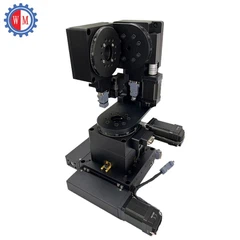
If you are interested in purchasing a Manual Goniometer Table, we offer a wide range of products to meet your needs. Our Pitch Yaw Roll Manual Tilt Stage and Manual Goniometer Stage are designed to provide high-precision angle measurement and adjustment in a variety of applications.
Contact us today to learn more about our products and how they can help you achieve accurate angle measurement in confined spaces.
References
- [1] "Precision Measurement Techniques," Handbook of Measurement Science, John Wiley & Sons, 2003.
- [2] "Optical Alignment and Testing," Optics and Photonics Handbook, McGraw-Hill, 2001.
- [3] "Mechanical Testing and Analysis," Mechanical Engineering Handbook, CRC Press, 2006.


