
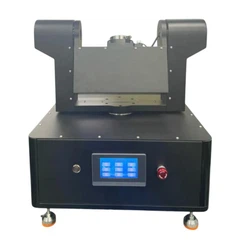
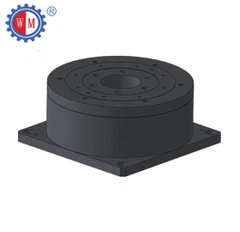
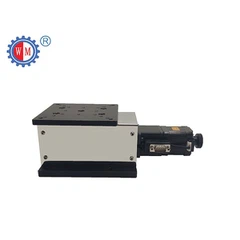
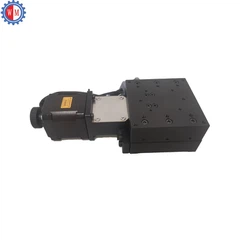
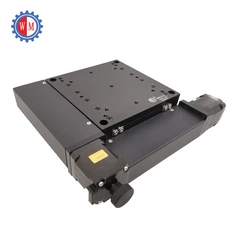
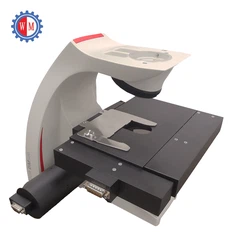
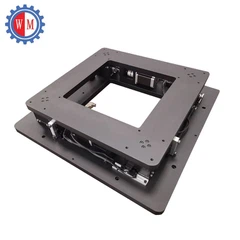
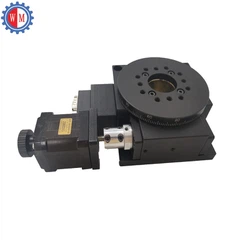
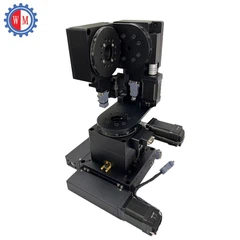
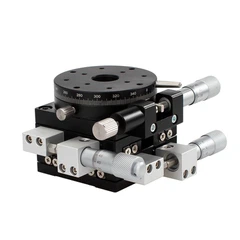
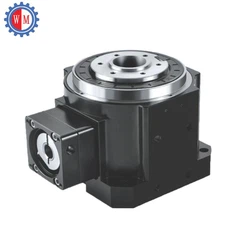


Hey there! As a supplier of Motorized Rotary Tables, I've seen firsthand how dust and debris can mess with these nifty pieces of equipment. In this blog, I'll share some tips on how to protect your motorized rotary table from dust and debris, ensuring it runs smoothly for a long time.
Why Protection Matters
First off, let's talk about why it's so important to keep dust and debris away from your motorized rotary table. These little particles might seem harmless, but they can cause some serious problems. Dust can get into the moving parts of the table, like the gears and bearings. Over time, this can lead to increased friction, which means more wear and tear on the components. This not only shortens the lifespan of your table but can also affect its accuracy and performance. Debris, on the other hand, can be even more damaging. Larger pieces of debris can jam the table, preventing it from rotating properly or even causing it to stop working altogether.
Enclosures and Covers
One of the simplest and most effective ways to protect your motorized rotary table is by using enclosures and covers. There are different types of enclosures available, depending on your specific needs. For example, if you're using the table in a relatively clean environment, a simple plastic cover might be enough. These covers are easy to install and can keep out most of the dust.
However, if you're working in a more industrial setting where there's a lot of dust and debris flying around, you might want to consider a more heavy-duty enclosure. These enclosures are usually made of metal or thick plastic and provide a more secure barrier against dust and debris. Some enclosures even come with built-in filters to help trap any particles that might make it inside.
When choosing an enclosure or cover, make sure it fits your motorized rotary table properly. A loose-fitting cover won't do much to keep out dust and debris, while a cover that's too tight might interfere with the table's operation.
Sealing and Gaskets
Another important aspect of protecting your motorized rotary table is sealing. Seals and gaskets are used to prevent dust and debris from entering the table through small gaps and openings. Most motorized rotary tables come with some form of sealing, but over time, these seals can wear out and lose their effectiveness.
Regularly inspect the seals and gaskets on your table and replace them if they show signs of damage or wear. You can also use sealants to fill in any small gaps or cracks that might have developed. Make sure to use a sealant that's compatible with the materials used in your table to avoid any chemical reactions that could damage the equipment.
Cleaning and Maintenance
Regular cleaning and maintenance are essential for keeping your motorized rotary table free from dust and debris. Start by wiping down the table regularly with a clean, dry cloth to remove any surface dust. You can also use a soft brush to clean hard-to-reach areas.
For more thorough cleaning, you might need to use a cleaning solution. Make sure to choose a cleaning solution that's safe for use on your table's materials. Avoid using abrasive cleaners or solvents that could damage the surface of the table or the moving parts.
In addition to cleaning the exterior of the table, you also need to clean the interior components. This might require disassembling the table to access the gears, bearings, and other parts. If you're not comfortable doing this yourself, it's best to have a professional technician perform the cleaning and maintenance.
Air Filtration
If you're working in an environment with a high concentration of dust and debris, you might want to consider using an air filtration system. Air filtration systems can help remove dust and other particles from the air, reducing the amount of dust that settles on your motorized rotary table.
There are different types of air filtration systems available, ranging from simple portable units to large industrial-grade systems. When choosing an air filtration system, consider the size of the room where the table is located and the level of dust and debris in the air.
Monitoring and Inspection
Finally, it's important to regularly monitor and inspect your motorized rotary table for signs of dust and debris buildup. Look for any unusual noises, vibrations, or changes in the table's performance. These could be signs that there's a problem with the table, such as a buildup of dust or debris.


If you notice any issues, take action immediately to address them. This might involve cleaning the table, replacing a seal or gasket, or having the table serviced by a professional.
Conclusion
Protecting your motorized rotary table from dust and debris is essential for ensuring its long-term performance and reliability. By using enclosures and covers, sealing and gaskets, regular cleaning and maintenance, air filtration, and monitoring and inspection, you can keep your table running smoothly and avoid costly repairs and downtime.
If you're in the market for a high-quality motorized rotary table, we've got you covered. We offer a wide range of products, including the Precision Optical Motorized Rotation Stage, Heavy Load Rotary Positioning Stages, and Motorized Rotary Stage with Worm Gear Device. Our team of experts is always available to help you choose the right product for your needs and provide you with the support and service you deserve. So, don't hesitate to get in touch with us if you have any questions or if you're ready to make a purchase.
References
- "Industrial Machinery Maintenance Handbook"
- "Guide to Protecting Precision Equipment from Contaminants"


