
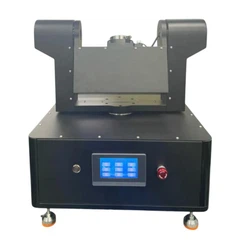


Programming an integrated servo motor is a multifaceted process that requires a solid understanding of both the motor's functionality and the programming tools at your disposal. As a supplier of integrated servo motors, I've witnessed firsthand the transformative impact these motors can have on various industries, from manufacturing to robotics. In this blog post, I'll guide you through the essential steps of programming an integrated servo motor, providing practical tips and insights along the way.

Understanding the Basics of Integrated Servo Motors
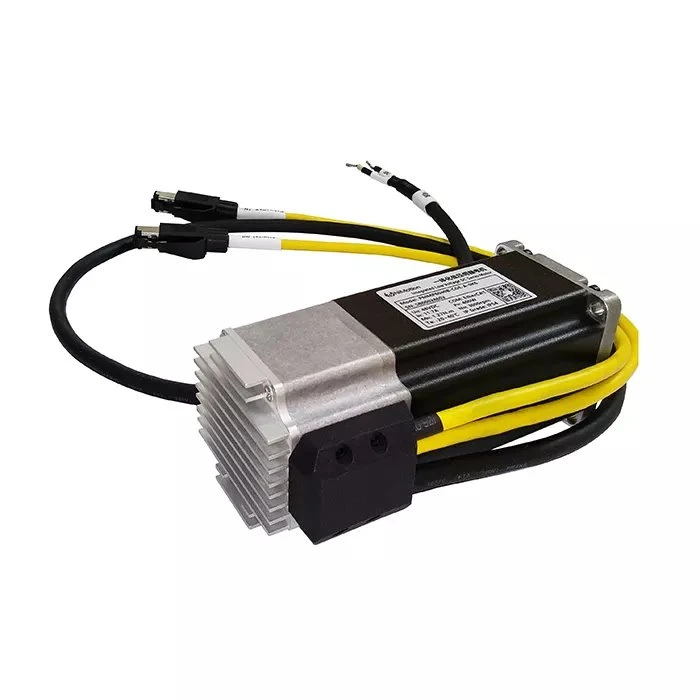
Before diving into programming, it's crucial to grasp the fundamental concepts behind integrated servo motors. Unlike traditional motors, integrated servo motors combine the motor, controller, and sometimes the drive into a single compact unit. This integration simplifies the installation process and reduces the overall footprint of the system.
Integrated servo motors are designed to provide precise control over position, speed, and torque. They achieve this through a closed-loop control system that continuously monitors the motor's actual position and compares it to the desired position. If there's a discrepancy, the controller adjusts the motor's output to minimize the error.
Selecting the Right Programming Tools
The first step in programming an integrated servo motor is selecting the appropriate programming tools. Most integrated servo motors come with dedicated software that allows you to configure and program the motor. These software packages typically offer a user-friendly interface with intuitive wizards and graphical programming tools.
When choosing a programming tool, consider the following factors:
- Compatibility: Ensure that the software is compatible with your specific integrated servo motor model.
- Functionality: Look for software that offers a wide range of programming features, such as motion control, trajectory planning, and diagnostic tools.
- Ease of Use: Opt for software that is easy to learn and navigate, especially if you're new to programming servo motors.
Configuring the Motor Parameters
Once you've selected the programming tool, the next step is to configure the motor parameters. These parameters define the motor's operating characteristics, such as its maximum speed, torque, and acceleration.
To configure the motor parameters, follow these steps:
- Connect the Motor: Use a compatible communication interface, such as Ethernet or USB, to connect the integrated servo motor to your computer.
- Launch the Programming Software: Open the programming software and establish a connection with the motor.
- Access the Parameter Settings: Navigate to the parameter settings menu in the software. This menu typically contains a list of configurable parameters, such as motor type, rated voltage, and encoder resolution.
- Set the Parameters: Enter the appropriate values for each parameter based on the motor's specifications and your application requirements.
- Save the Configuration: Once you've set all the parameters, save the configuration to the motor's memory.
Programming the Motion Profile
After configuring the motor parameters, the next step is to program the motion profile. The motion profile defines the motor's movement pattern, including its speed, acceleration, and deceleration.
To program the motion profile, follow these steps:
- Define the Motion Type: Select the type of motion you want to program, such as point-to-point motion, continuous rotation, or circular interpolation.
- Set the Motion Parameters: Enter the appropriate values for the motion parameters, such as the target position, speed, and acceleration.
- Generate the Motion Profile: Use the programming software to generate the motion profile based on the defined motion type and parameters.
- Test the Motion Profile: Before deploying the motion profile in your application, test it to ensure that it meets your requirements. You can use the programming software to simulate the motion profile and monitor the motor's performance.
Implementing Safety Features
Safety is a critical consideration when programming integrated servo motors. To ensure the safety of your operators and equipment, it's essential to implement appropriate safety features in your motor programming.
Some common safety features that you can implement include:
- Overcurrent Protection: This feature monitors the motor's current consumption and shuts off the motor if the current exceeds a predefined limit.
- Overvoltage Protection: This feature protects the motor from damage caused by excessive voltage.
- Emergency Stop: This feature allows you to immediately stop the motor in case of an emergency.
- Safe Torque Off (STO): This feature ensures that the motor does not generate any torque when it's not required, reducing the risk of accidental movement.
Troubleshooting and Debugging
Even with careful programming and configuration, issues may arise during the operation of an integrated servo motor. When this happens, it's important to have a systematic approach to troubleshooting and debugging.
Here are some common issues that you may encounter and their possible solutions:
- Motor Not Moving: Check the power supply, communication connection, and motor parameters to ensure that they are correctly configured.
- Inaccurate Positioning: Check the encoder feedback and the motion profile to ensure that they are accurate. You may need to adjust the motor parameters or the motion profile to improve the positioning accuracy.
- Overheating: Check the motor's cooling system and the load on the motor to ensure that they are within the motor's specifications. You may need to reduce the load on the motor or improve the cooling system to prevent overheating.
Conclusion
Programming an integrated servo motor requires a combination of technical knowledge, practical experience, and the right programming tools. By following the steps outlined in this blog post, you can successfully program an integrated servo motor and optimize its performance for your specific application.
If you're interested in learning more about integrated servo motors or need assistance with programming, please don't hesitate to contact us. We're a leading supplier of Integrated Servo Motor and Drive Kit, and our team of experts is ready to help you find the right solution for your needs. Whether you're a small business or a large corporation, we can provide you with the high-quality products and support you need to succeed.
References
- Servo Motor Handbook, Third Edition, by Peter C. Senft
- Motion Control Basics, by Michael J. Haley
- Programmable Logic Controllers: Principles and Applications, by W. Bolton


