
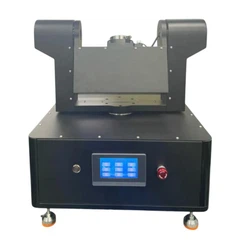

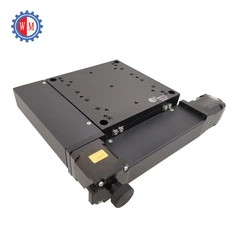
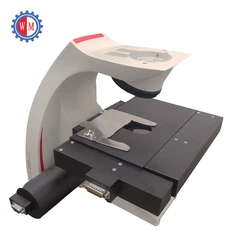
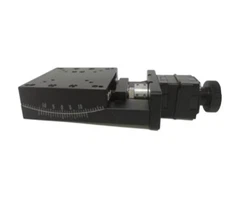
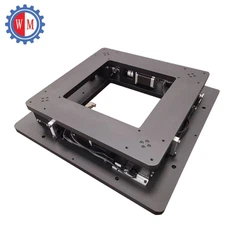
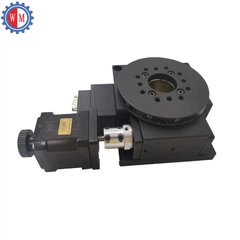
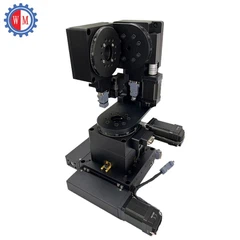
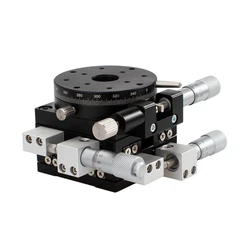


Hey there! As a supplier of Manual Goniometer Tables, I've seen firsthand how important it is to keep these precision instruments clean. A well - maintained Manual Goniometer Table not only ensures accurate measurements but also extends its lifespan. In this blog, I'll share some practical tips on how to clean a Manual Goniometer Table.
Why Cleaning is Crucial
Before we dive into the cleaning process, let's talk about why it's so important to keep your Manual Goniometer Table clean. These tables are used in a variety of scientific and industrial applications where precision is key. Dust, debris, and even small particles of lubricant can interfere with the smooth movement of the table and affect the accuracy of the measurements. Over time, dirt can also cause wear and tear on the moving parts, leading to costly repairs or replacements.
Pre - Cleaning Preparations
First things first, you need to gather the right tools and materials. You'll need a soft, lint - free cloth, compressed air, a mild cleaning solution (like isopropyl alcohol), and a small brush with soft bristles. It's also a good idea to wear gloves to prevent leaving fingerprints on the table.
Before you start cleaning, make sure to power off the table (if it's an electrically - assisted model) and remove any accessories or samples that are on it. You should also place the table on a stable, clean surface.
Cleaning the Exterior
Let's start with the exterior of the Manual Goniometer Table. Use the soft, lint - free cloth to wipe down the surface of the table. This will remove any loose dust and debris. If there are stubborn stains, you can dampen the cloth with a small amount of the mild cleaning solution. Be careful not to use too much liquid, as it could seep into the internal components of the table.
Pay special attention to the edges and corners of the table, as these areas tend to collect more dirt. You can use the small brush to gently dislodge any dirt that's stuck in these hard - to - reach places. After you've wiped down the exterior, use the compressed air to blow away any remaining dust particles.
Cleaning the Moving Parts
The moving parts of the Manual Goniometer Table are the most critical areas to clean. These parts include the bearings, screws, and the tilt mechanisms. Start by using the compressed air to blow out any dust or debris from the moving parts. This will prevent the dirt from getting ground into the parts during the cleaning process.
Next, use the small brush to apply a small amount of the mild cleaning solution to the moving parts. Gently brush the solution over the surfaces of the parts to remove any built - up grime. You can also use the cloth to wipe away the dirt and the cleaning solution.
It's important to be very gentle when cleaning the moving parts, as they are delicate and can be easily damaged. Avoid applying too much pressure or using abrasive materials.


Cleaning the Measuring Scales
The measuring scales on the Manual Goniometer Table are another crucial part that needs to be kept clean. Use the soft cloth to wipe down the scales. If there are any smudges or fingerprints, you can use a small amount of the cleaning solution on the cloth to remove them.
Make sure to dry the scales thoroughly after cleaning to prevent any corrosion. You can use a dry part of the cloth or the compressed air to dry the scales.
Lubrication
After cleaning the moving parts, it's a good idea to lubricate them. Use a high - quality lubricant that is recommended for the type of Manual Goniometer Table you have. Apply a small amount of the lubricant to the bearings and other moving parts. Make sure to spread the lubricant evenly over the surfaces.
Too much lubricant can attract dust and debris, so be careful not to over - lubricate. After applying the lubricant, move the table's parts back and forth a few times to distribute the lubricant evenly.
Post - Cleaning Checks
Once you've finished cleaning and lubricating the Manual Goniometer Table, it's time to do a few checks. First, visually inspect the table to make sure there are no remaining dirt or debris. Check the moving parts to ensure they are moving smoothly and without any resistance.
You should also check the measuring scales to make sure they are still accurate. If you notice any issues, such as a sticking part or an inaccurate scale, you may need to repeat the cleaning process or seek professional help.
Additional Tips
- Regular cleaning: Make it a habit to clean your Manual Goniometer Table regularly. The frequency of cleaning will depend on how often you use the table and the environment in which it's used. In a dusty environment, you may need to clean it more often.
- Storage: When not in use, store the Manual Goniometer Table in a clean, dry place. You can cover it with a dust cover to prevent dust from settling on it.
Related Products
If you're interested in exploring more Manual Goniometer Table options, we offer a great selection of Pitch Yaw Roll Manual Tilt Stage and Manual Goniometer Stage. These products are designed with high precision and durability in mind.
Conclusion
Cleaning a Manual Goniometer Table is not a difficult task, but it does require some care and attention. By following the steps outlined in this blog, you can keep your table in top - notch condition and ensure accurate measurements for years to come.
If you have any questions about cleaning your Manual Goniometer Table or if you're interested in purchasing one of our products, don't hesitate to reach out. We're here to help you with all your Manual Goniometer Table needs.
References
- General knowledge of precision instrument maintenance.
- Manufacturer's guidelines for Manual Goniometer Tables.


