
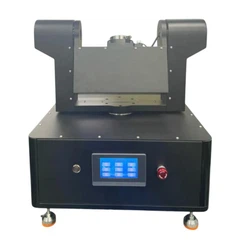
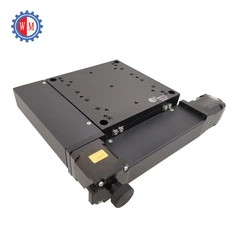
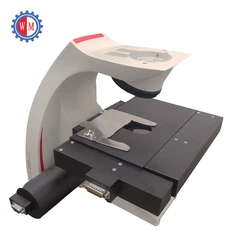
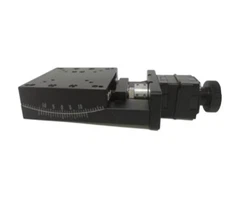
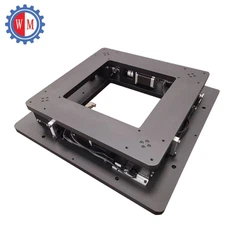


As a provider of Manual Z - Axis Stages, I understand the importance of properly adjusting these precision instruments. Manual Z - Axis Stages are widely used in various industries such as microscopy, semiconductor manufacturing, and optical alignment, where precise vertical positioning is crucial. In this blog, I will share some in - depth knowledge about how to adjust the movement of a manual Z - Axis stage.
Understanding the Basics of a Manual Z - Axis Stage
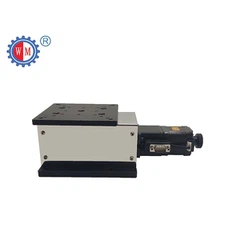
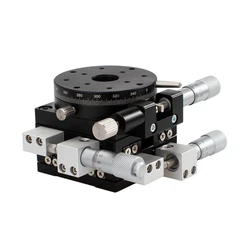
Before we delve into the adjustment process, it's essential to have a basic understanding of what a manual Z - Axis stage is. A manual Z - Axis stage, also commonly referred to as a Manual Vertical Stage, is a mechanical device that allows for controlled vertical movement. It typically consists of a base, a moving platform, a lead screw or a rack - and - pinion mechanism, and a micrometer or a handwheel for manual operation.
The lead screw or rack - and - pinion mechanism converts the rotational motion of the handwheel or micrometer into linear motion, enabling the platform to move up or down. The precision of the movement depends on the pitch of the lead screw or the gear ratio of the rack - and - pinion system. A smaller pitch or a higher gear ratio generally results in finer and more precise movement.
Pre - adjustment Checks
Before making any adjustments to the manual Z - Axis stage, it is important to perform a series of pre - adjustment checks. These checks will help ensure that the stage is in good working condition and that the adjustment process will be accurate and effective.
- Visual Inspection: Carefully examine the stage for any signs of damage, such as cracks, dents, or loose components. Check the surface of the platform for scratches or debris that could affect the movement. Also, inspect the lead screw or rack - and - pinion mechanism for any signs of wear or misalignment.
- Cleaning: If there is any dust or debris on the stage, clean it using a soft brush or compressed air. Make sure to clean the lead screw, the nut, and the guide rails to prevent any interference with the movement.
- Check for Smooth Movement: Rotate the handwheel or micrometer gently to see if the platform moves smoothly. If there is any resistance or jerking, it could indicate a problem with the mechanism or misalignment.
Adjusting the Movement
Once the pre - adjustment checks are completed, you can start adjusting the movement of the manual Z - Axis stage. The following steps will guide you through the process:
1. Zeroing the Micrometer (if applicable)
If your manual Z - Axis stage is equipped with a micrometer, it is important to zero it before making any measurements or adjustments. To zero the micrometer, first, move the platform to its lowest position. Then, turn the micrometer until the zero mark on the thimble aligns with the reference line on the sleeve.
2. Fine - tuning the Movement
To achieve the desired vertical position, you can use the handwheel or micrometer to make small adjustments. When using the handwheel, turn it slowly and steadily in the desired direction. The platform will move up or down accordingly. If you need more precise control, use the micrometer.
The micrometer usually has a scale that indicates the amount of movement. For example, if the pitch of the lead screw is 1 mm and the micrometer has 100 divisions, each division represents a movement of 0.01 mm. You can use this scale to make accurate adjustments.
3. Checking for Parallelism
During the adjustment process, it is important to check the parallelism of the moving platform. A non - parallel platform can cause uneven loading and affect the accuracy of the measurement or operation. You can use a dial indicator to check the parallelism.
Mount the dial indicator on a stable base and position the probe on the platform. Move the platform up and down and observe the reading on the dial indicator. If the reading varies significantly, it indicates that the platform is not parallel. To correct this, you may need to adjust the leveling screws or the mounting of the stage.
4. Locking the Position
Once you have achieved the desired vertical position, it is important to lock the stage to prevent any accidental movement. Most manual Z - Axis stages are equipped with a locking mechanism, such as a clamping screw or a locking lever. Tighten the locking mechanism firmly to secure the platform in place.
Troubleshooting Common Issues
Even with proper adjustment, you may encounter some common issues with the manual Z - Axis stage. Here are some troubleshooting tips:
1. Stiff Movement
If the movement of the stage is stiff, it could be due to lack of lubrication, debris in the mechanism, or misalignment. First, clean the stage and lubricate the lead screw and guide rails with a suitable lubricant. If the problem persists, check for misalignment and adjust the stage accordingly.


2. Inconsistent Movement
Inconsistent movement can be caused by a worn - out lead screw or nut, loose components, or improper adjustment. Inspect the lead screw and nut for wear and replace them if necessary. Tighten all the screws and bolts to ensure that the components are securely fastened. Readjust the stage using the steps mentioned above.
3. Backlash
Backlash refers to the small amount of play or movement in the opposite direction when the direction of movement is reversed. Excessive backlash can affect the accuracy of the stage. To reduce backlash, you can adjust the pre - load of the lead screw or nut. Some stages are equipped with adjustable pre - load mechanisms that allow you to fine - tune the amount of backlash.
Conclusion
Adjusting the movement of a manual Z - Axis stage requires careful attention to detail and a good understanding of the stage's mechanism. By following the pre - adjustment checks, the adjustment steps, and the troubleshooting tips outlined in this blog, you can ensure that your manual Z - Axis stage operates smoothly and accurately.
Whether you are using the stage for research, manufacturing, or quality control, proper adjustment is essential for achieving the best results. If you have any further questions or need assistance with your manual Z - Axis stage, please feel free to reach out to us. We are here to help you choose the right stage and ensure that it is adjusted and maintained properly. We look forward to discussing potential purchasing opportunities with you and helping you find the ideal solution for your vertical positioning needs.
References
- "Precision Motion Control Handbook", published by an industry - leading publisher.
- Technical documents provided by manual Z - Axis stage manufacturers.


