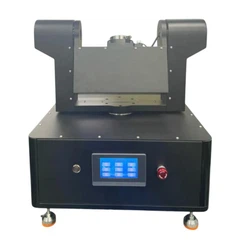
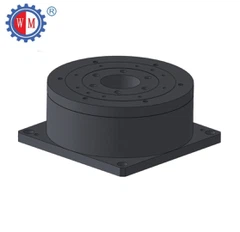
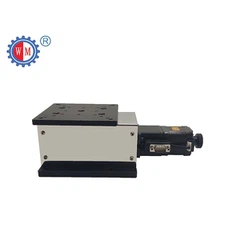


Hey there! As an Integrated Motor Drive supplier, I often get asked about how these nifty devices' protection functions work. It's a crucial topic because the protection functions are like the guardians of your motor drive, keeping everything running smoothly and preventing costly damage. So, let's dive right in and explore how these protection functions operate.
Overcurrent Protection
First up, overcurrent protection is one of the most important features in an Integrated Motor Drive. You see, motors can sometimes draw more current than they're supposed to. This can happen for various reasons, like a mechanical jam in the motor's load, a short - circuit in the wiring, or even incorrect motor sizing.
When the current flowing through the motor exceeds a pre - set limit, the motor drive's overcurrent protection kicks into action. The drive continuously monitors the current using sensors. Once the current hits the threshold, the drive quickly shuts down the power to the motor. This prevents the motor and the drive from overheating due to excessive current. Overheating can cause insulation damage in the motor windings, leading to a complete motor failure.
For example, let's say you're using a Modbus RS485 Stepper Driver for Nema 23 in a manufacturing process. If there's a blockage in the conveyor belt that the motor is driving, the motor will start to draw more current. The overcurrent protection in the drive will detect this abnormal current increase and stop the motor before any serious damage occurs.
Overvoltage and Undervoltage Protection
Another vital aspect is overvoltage and undervoltage protection. The power supply to the motor drive needs to be within a certain voltage range. If the voltage is too high (overvoltage), it can cause electrical breakdown in the components of the drive, such as capacitors and transistors. On the other hand, if the voltage is too low (undervoltage), the motor may not operate correctly, and the drive could malfunction.
The motor drive has circuitry that constantly monitors the input voltage. If the voltage goes above the upper limit of the acceptable range, the overvoltage protection takes over. It might either reduce the power to the motor or disconnect the motor from the power source entirely. For undervoltage, when the voltage drops below the lower limit, the drive may also shut down the motor to prevent erratic operation.
Let's take a scenario where you're using a Programmable Modbus RS485 Motor Drive in an area with an unstable power grid. Fluctuations in the grid can cause sudden voltage spikes or drops. The overvoltage and undervoltage protection in the drive will safeguard the motor and the drive itself, ensuring that they're not damaged by these power irregularities.


Overheat Protection
Motors and motor drives generate heat during normal operation. But if the heat builds up too much, it can be a big problem. That's where overheat protection comes in. Inside the motor drive, there are temperature sensors that keep an eye on the temperature of the critical components, like the power transistors and the heat sinks.
When the temperature rises above a safe level, the overheat protection mechanism activates. It can slow down the motor to reduce the heat generation or, if the temperature keeps rising, shut off the motor completely. This is essential because high temperatures can degrade the performance of the electronic components in the drive and eventually lead to their failure.
Imagine you're using an Integrated Motor Drive in a hot factory environment. The combination of the heat from the motor's operation and the ambient temperature can quickly push the temperature of the drive beyond the safe limit. The overheat protection will act as a safety net, preventing any damage to the drive and allowing the system to cool down before it starts running again.
Short - Circuit Protection
Short - circuits are a nightmare for any electrical system, and Integrated Motor Drives are no exception. A short - circuit occurs when there's an unintended low - resistance connection between two points in the electrical circuit. This can cause a massive surge of current, which can destroy the motor and the drive.
The motor drive has protection mechanisms to detect and respond to short - circuits. Specialized sensors in the drive monitor the current flow patterns. When a short - circuit is detected, the drive's protection system rapidly cuts off the power. This fast response is crucial because a short - circuit can cause irreversible damage in a matter of milliseconds.
For instance, in a robotics application, where a lot of wiring is involved, there's a risk of a wire getting pinched or damaged, leading to a short - circuit. The short - circuit protection in the Integrated Motor Drive will ensure that the system doesn't suffer any major damage and can be quickly repaired.
Ground Fault Protection
Ground fault protection is also an important part of the overall protection system in an Integrated Motor Drive. A ground fault happens when an electrical current leaks from the circuit to the ground. This can be due to damaged insulation, moisture, or other electrical faults.
The drive uses sensors to detect any imbalance in the current flowing in the circuit. If there's a ground fault, the current flowing out of the drive will not match the current flowing back. When this imbalance is detected, the ground fault protection system will shut down the motor to prevent any electrical shock hazards and to protect the equipment from further damage.
Drive Fault Detection and Diagnostic Features
Modern Integrated Motor Drives also come with advanced fault detection and diagnostic features. These features not only protect the motor and the drive but also make it easier to troubleshoot problems when they occur.
The drive can detect various types of faults and store diagnostic information. For example, if there's an overcurrent event, the drive will record the time, the magnitude of the overcurrent, and other relevant data. This information can be used by technicians to figure out what caused the fault and how to prevent it from happening again.
Some drives also have built - in communication interfaces, like Modbus RS485, that allow them to communicate the fault information to a central control system. This real - time communication enables quick response and efficient maintenance.
Why Our Protection Functions Matter
Our Integrated Motor Drives' protection functions are designed with the latest technology and industry - best practices. They offer reliable and efficient protection for your motors and equipment. Whether you're using a small stepper motor in a hobby project or a large industrial motor in a manufacturing plant, our drives' protection functions will keep your system running smoothly.
By investing in our Integrated Motor Drives, you're not only getting a product that can do the job but also one that can protect your investment in the long run. You'll avoid costly downtime due to motor and drive failures, and you'll extend the lifespan of your equipment.
Let's Talk!
If you're in the market for an Integrated Motor Drive with top - notch protection functions, we'd love to hear from you. Whether you have questions about our products, need help with sizing and selection, or want to discuss a custom application, our team of experts is here to assist you. Start a conversation with us to learn more about how our drives can meet your needs and keep your systems protected.
References
- "Motor Drives and Control Systems" by Andrew Smith
- "Electrical Protection in Industrial Applications" by Jane Doe
- Technical Documentation from Leading Integrated Motor Drive Manufacturers


