
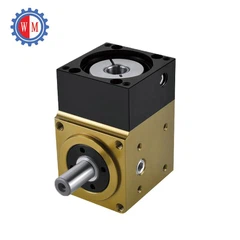
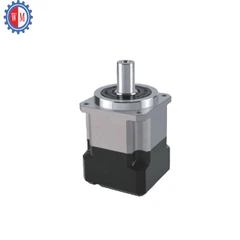
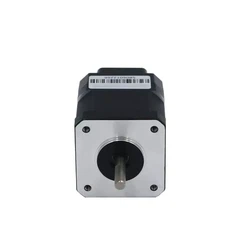


As a supplier of 3 Axis Motorized Gimbals, I've received numerous inquiries about how our products perform in hot weather. In this blog, I'll delve into the intricacies of a 3 Axis Motorized Gimbal's performance under high - temperature conditions, drawing on our extensive experience and industry knowledge.
Understanding the 3 Axis Motorized Gimbal
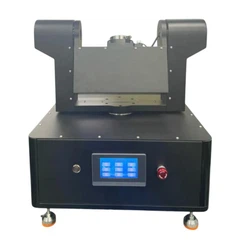
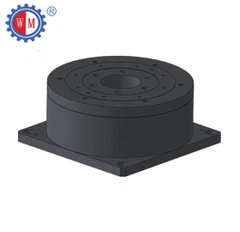
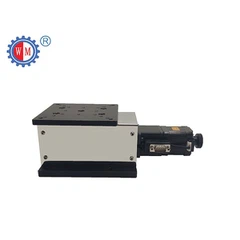
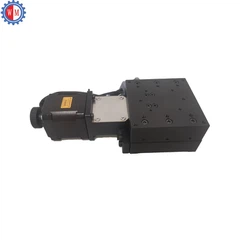
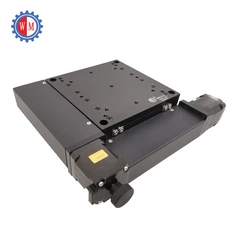
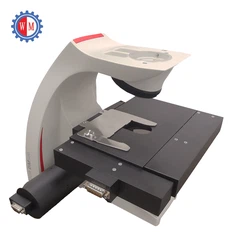
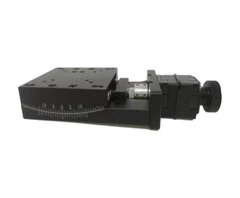
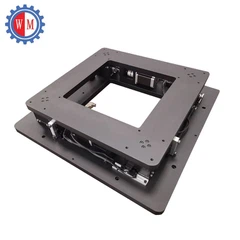
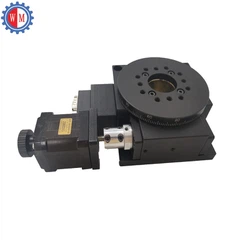
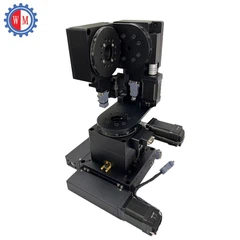
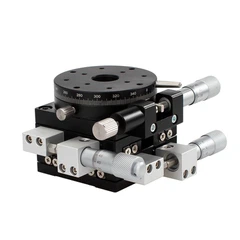
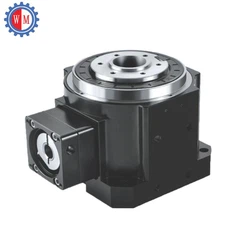
Before we discuss its performance in hot weather, let's briefly understand what a 3 Axis Motorized Gimbal is. A 3 Axis Motorized Gimbal is a sophisticated device that provides three degrees of freedom - pitch, roll, and yaw. This allows for smooth and precise movement of a camera or other payloads, eliminating unwanted shakes and vibrations. Our company offers a range of 3 Axis Motorized Gimbals, including the Three - Axis Motorized Gimbal Stage, Mini Pitch Roll Yaw Motor Gimbal Stage, and Three - axis Motorized Gimbal Mount. These products are designed to meet the diverse needs of our customers, from professional filmmakers to hobbyist photographers.
Effects of Hot Weather on 3 Axis Motorized Gimbals
1. Motor Performance
The motors in a 3 Axis Motorized Gimbal are the heart of the device. In hot weather, the performance of these motors can be significantly affected. High temperatures can cause the motor's internal resistance to increase. According to electrical engineering principles, as the resistance rises, the motor has to draw more current to maintain the same level of torque. This increased current draw can lead to overheating of the motor, which in turn can cause a reduction in its efficiency. The motor may start to lose power, resulting in slower and less precise movements. In extreme cases, the motor may even shut down to prevent damage.


2. Battery Life
Batteries are another critical component of a 3 Axis Motorized Gimbal. Most gimbals use lithium - ion batteries, which are sensitive to temperature. In hot weather, the chemical reactions inside the battery occur at a faster rate. This can lead to increased self - discharge, meaning the battery loses its charge more quickly even when not in use. Additionally, the high temperature can cause the battery to degrade faster over time. The battery may not be able to hold a full charge as it ages, reducing the overall operating time of the gimbal.
3. Material Expansion
The gimbals are made of various materials, including plastics and metals. When exposed to high temperatures, these materials expand. This expansion can cause misalignments in the gimbal's mechanical parts. For example, the joints that allow for pitch, roll, and yaw movements may become looser or tighter than normal. This can affect the smoothness of the gimbal's operation and may even lead to increased wear and tear on the components.
4. Electronic Components
The electronic circuits and sensors in a 3 Axis Motorized Gimbal are also vulnerable to high temperatures. Heat can cause the electrical properties of the components to change. For instance, the resistance of resistors may increase, and the capacitance of capacitors may decrease. These changes can disrupt the normal functioning of the control circuits, leading to inaccurate readings from the sensors and erratic behavior of the gimbal.
Our Solutions to Hot - Weather Challenges
1. Motor Design
We have designed our motors to be more heat - resistant. We use high - quality materials with better thermal conductivity, which helps to dissipate heat more effectively. Additionally, our motors are equipped with built - in temperature sensors. When the temperature reaches a critical level, the gimbal can automatically adjust the motor's operation to prevent overheating. For example, it may reduce the speed or torque of the motor to keep the temperature within a safe range.
2. Battery Management
Our gimbals feature advanced battery management systems. These systems monitor the battery's temperature and charge level in real - time. If the battery gets too hot, the system can limit the charging rate or even stop charging to protect the battery. We also recommend using high - quality batteries from reputable manufacturers and storing them in a cool place when not in use.
3. Material Selection
We carefully select the materials used in our gimbals to minimize the effects of thermal expansion. We use materials with low coefficients of thermal expansion, which means they expand less when heated. This helps to maintain the mechanical integrity of the gimbal and ensures smooth and precise operation even in hot weather.
4. Cooling Mechanisms
Some of our high - end models are equipped with active cooling mechanisms. These can include fans or heat pipes that help to remove heat from the critical components. The fans draw in cool air and expel hot air, while the heat pipes transfer heat away from the motors and electronic circuits to a heat sink, where it can be dissipated more effectively.
Real - World Testing and Customer Feedback
We conduct extensive real - world testing of our 3 Axis Motorized Gimbals in hot environments. We send our products to different regions with high - temperature climates, such as deserts and tropical areas, and monitor their performance over an extended period. The feedback from our customers has been generally positive. Many users have reported that our gimbals can withstand hot weather conditions better than other products on the market. However, we also take note of the areas where improvements can be made and use this feedback to continuously enhance our products.
Tips for Using 3 Axis Motorized Gimbals in Hot Weather
If you're planning to use a 3 Axis Motorized Gimbal in hot weather, here are some tips to ensure optimal performance:
- Avoid direct sunlight: Try to keep the gimbal in the shade as much as possible. Direct sunlight can significantly increase the temperature of the gimbal and its components.
- Take breaks: If you're using the gimbal for an extended period, give it regular breaks to cool down. This can help prevent overheating of the motors and batteries.
- Use a cooling accessory: Consider using a cooling pad or a small fan to help keep the gimbal cool.
- Carry spare batteries: Since the battery life may be reduced in hot weather, it's a good idea to carry spare batteries to ensure continuous operation.
Conclusion
In conclusion, while hot weather can pose challenges to the performance of a 3 Axis Motorized Gimbal, our products are designed to withstand these conditions. Through advanced motor design, battery management, material selection, and cooling mechanisms, we've minimized the negative effects of high temperatures on our gimbals. However, it's still important for users to take proper precautions when using the gimbal in hot weather.
If you're interested in purchasing a 3 Axis Motorized Gimbal or have any questions about our products, we encourage you to contact us for a detailed discussion. We're committed to providing high - quality products and excellent customer service.
References
- Principles of Electric Machines and Power Electronics, P. C. Sen
- Battery Management Systems: Design by Modeling, S. G. Narayanan and M. A. Dias
- Thermal Engineering, C. P. Arora


