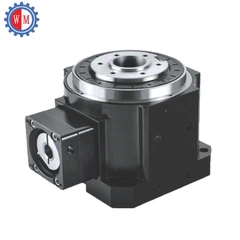
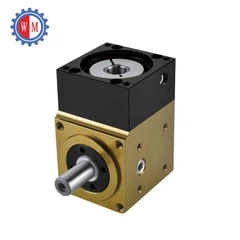
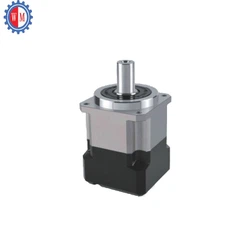
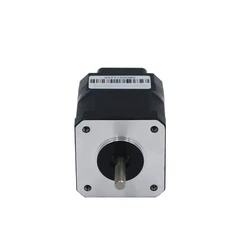


In the dynamic landscape of modern food processing, the quest for precision, efficiency, and reliability is unending. As a leading supplier of motorized rotation stages, I am often asked whether our products can be effectively utilized in a food processing environment. This blog post aims to explore this question in detail, examining the technical capabilities, challenges, and benefits of integrating motorized rotation stages into food processing operations.
Technical Capabilities of Motorized Rotation Stages
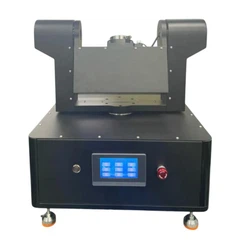
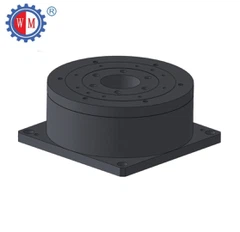
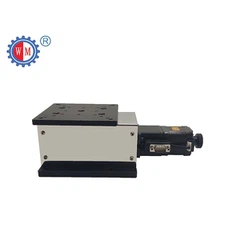
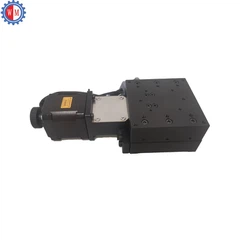
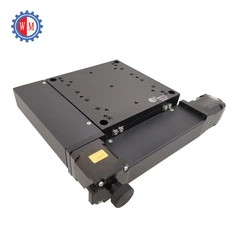
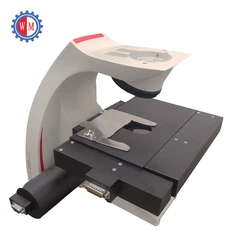
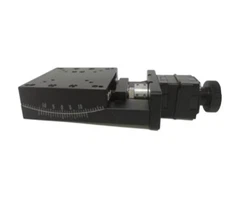
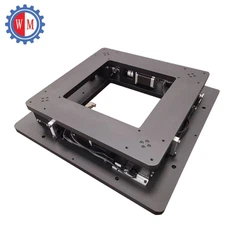
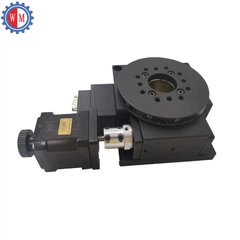
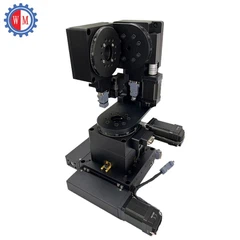
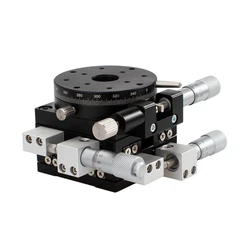
Motorized rotation stages are designed to provide precise angular positioning and rotation control. They typically consist of a motor, a gear system, and a rotary table, which can be programmed to rotate at specific speeds and angles. Our product range includes Minature Rotary Positioning Stage, Worm Gear Precision Rotation Stage, and Motorized Precision Rotation Stage, each offering unique features and capabilities to meet different application requirements.
These stages can achieve high levels of accuracy, with angular resolutions ranging from a few arcseconds to sub-arcsecond levels. This precision is crucial in food processing applications, where accurate positioning and rotation are required for tasks such as filling, capping, labeling, and inspection. For example, in a bottling line, a motorized rotation stage can be used to precisely position bottles for filling and capping, ensuring consistent fill levels and proper sealing.
In addition to precision, motorized rotation stages also offer high-speed operation. They can rotate at speeds ranging from a few revolutions per minute (RPM) to several thousand RPM, depending on the specific model and application. This high-speed capability enables efficient processing of large volumes of food products, reducing production time and increasing throughput.
Challenges in a Food Processing Environment
While motorized rotation stages offer significant advantages in terms of precision and speed, there are also several challenges associated with using them in a food processing environment. One of the primary concerns is hygiene and sanitation. Food processing facilities are subject to strict regulations regarding cleanliness and food safety, and any equipment used in these facilities must be designed to meet these standards.
Our motorized rotation stages are constructed using high-quality materials that are resistant to corrosion and easy to clean. Stainless steel is a common choice for the rotary table and other components that come into contact with food products, as it is durable, non-toxic, and can be easily sanitized. Additionally, our stages are designed with smooth surfaces and minimal crevices to prevent the accumulation of food particles and bacteria.
Another challenge is the presence of moisture and humidity in food processing environments. Moisture can cause corrosion and damage to the motor and other electrical components of the rotation stage, leading to reduced performance and reliability. To address this issue, our stages are equipped with sealed motors and electrical enclosures to protect them from moisture and dust. We also offer optional waterproof coatings and IP ratings to provide additional protection in harsh environments.
Vibration and shock are also common challenges in food processing facilities, which can affect the accuracy and performance of motorized rotation stages. To minimize the impact of vibration and shock, our stages are designed with robust mechanical structures and advanced damping systems. These features help to absorb and dissipate vibrations, ensuring stable and accurate operation even in high-vibration environments.
Benefits of Using Motorized Rotation Stages in Food Processing
Despite the challenges, there are numerous benefits to using motorized rotation stages in food processing operations. One of the key advantages is improved precision and quality control. By providing accurate angular positioning and rotation control, motorized rotation stages can help to ensure consistent product quality and reduce waste. For example, in a packaging line, a motorized rotation stage can be used to precisely position labels on food packages, ensuring that they are straight and properly aligned.
Another benefit is increased efficiency and productivity. Motorized rotation stages can operate at high speeds and perform repetitive tasks with precision, reducing the need for manual labor and increasing production throughput. This can lead to significant cost savings and improved competitiveness in the market.
Motorized rotation stages also offer flexibility and versatility. They can be easily integrated into existing food processing equipment and production lines, and can be programmed to perform a variety of tasks. This allows food manufacturers to adapt to changing production requirements and introduce new products more quickly.

Case Studies
To illustrate the effectiveness of motorized rotation stages in food processing applications, let's look at a few case studies.
Case Study 1: Bottling Line

A major beverage company was experiencing problems with inconsistent fill levels and improper capping on its bottling line. The company decided to install our Motorized Precision Rotation Stage to precisely position the bottles for filling and capping. The stage was programmed to rotate the bottles at a specific speed and angle, ensuring that the filling nozzles and capping heads were accurately aligned with the bottles. As a result, the company was able to achieve consistent fill levels and proper capping, reducing waste and improving product quality.
Case Study 2: Packaging Line
A food packaging company was looking to improve the efficiency and accuracy of its labeling process. The company installed our Worm Gear Precision Rotation Stage to precisely position the food packages for labeling. The stage was programmed to rotate the packages at a high speed, allowing the labeling machine to apply labels quickly and accurately. The company was able to increase production throughput by 30% and reduce labeling errors by 50%.

Conclusion
In conclusion, motorized rotation stages can be effectively used in a food processing environment, provided that they are designed to meet the specific requirements of the industry. Our motorized rotation stages offer high precision, speed, and reliability, while also addressing the challenges of hygiene, moisture, and vibration. By integrating our stages into food processing operations, manufacturers can improve product quality, increase efficiency, and reduce costs.
If you are interested in learning more about our motorized rotation stages and how they can be used in your food processing applications, please contact us to discuss your specific requirements and explore the possibilities of a customized solution. Our team of experts is ready to assist you in finding the right product for your needs and providing you with the support and service you deserve.
References
- Smith, J. (2020). Precision Motion Control in Food Processing. Journal of Food Engineering, 260, 109932.
- Johnson, M. (2019). Hygiene Design in Food Processing Equipment. Food and Bioprocess Technology, 12(6), 1047-1060.
- Brown, S. (2018). The Role of Automation in Food Processing. International Journal of Food Science and Technology, 53(3), 701-710.


