


In the dynamic landscape of modern manufacturing, 3D printing has emerged as a revolutionary technology, offering unparalleled flexibility and precision in creating three-dimensional objects. As the demand for more complex and intricate designs grows, the need for advanced tools and equipment to enhance the capabilities of 3D printers has become increasingly evident. One such tool that has garnered significant attention is the motorized rotary table. In this blog post, we will explore the potential of using a motorized rotary table for 3D printing applications, shedding light on its benefits, challenges, and practical considerations.
Understanding Motorized Rotary Tables
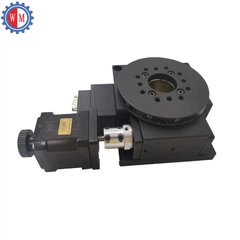
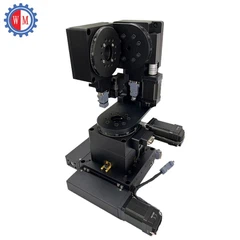
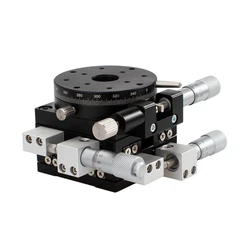
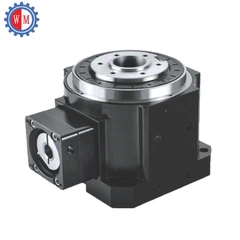
Before delving into the application of motorized rotary tables in 3D printing, it is essential to understand what they are and how they work. A motorized rotary table is a precision device that allows for the controlled rotation of a workpiece around a central axis. It consists of a circular platform, typically mounted on a base, and a motor that drives the rotation. The table can be programmed to rotate at specific angles and speeds, providing precise control over the orientation of the workpiece.
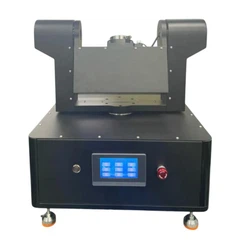
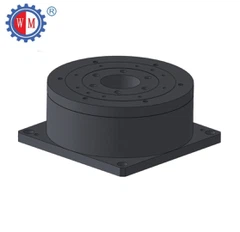
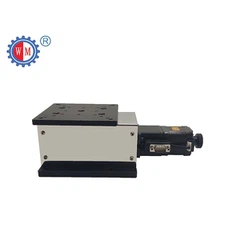
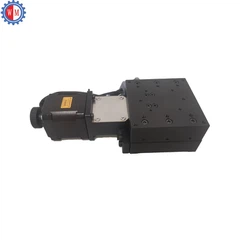
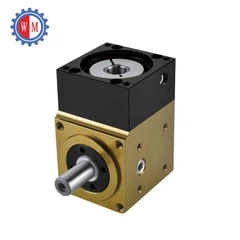
There are several types of motorized rotary tables available on the market, each with its own unique features and capabilities. Some of the most common types include the Worm Gear Precision Rotation Stage, which offers high precision and smooth rotation, the Hollow Rotary Table with Large Open Aperture, which allows for the passage of cables, pipes, or other components through the center of the table, and the Programmable Motor Rotation Stage, which enables the user to program complex rotation patterns and sequences.
Benefits of Using a Motorized Rotary Table for 3D Printing
The integration of a motorized rotary table into a 3D printing setup offers several significant benefits, including:


Enhanced Design Flexibility
One of the primary advantages of using a motorized rotary table is the ability to create more complex and intricate designs. By rotating the workpiece during the printing process, it becomes possible to print objects with overhangs, undercuts, and other features that would otherwise be difficult or impossible to achieve using traditional 3D printing techniques. This increased design flexibility opens up new possibilities for creating unique and innovative products in a wide range of industries, including aerospace, automotive, medical, and consumer goods.
Improved Print Quality
Another benefit of using a motorized rotary table is the potential to improve the print quality of 3D printed objects. By rotating the workpiece, it becomes possible to reduce the effects of layer lines and other imperfections that can occur during the printing process. This results in smoother surfaces, better dimensional accuracy, and overall higher-quality prints. Additionally, the ability to print objects at different angles can help to reduce the need for support structures, which can further improve the print quality and reduce the amount of post-processing required.
Increased Productivity
In addition to enhancing design flexibility and print quality, using a motorized rotary table can also increase the productivity of a 3D printing operation. By allowing multiple parts to be printed simultaneously on a single rotary table, it becomes possible to reduce the overall printing time and increase the throughput of the printer. This can be particularly beneficial for high-volume production runs or for applications where time is of the essence.
Challenges and Considerations
While the use of a motorized rotary table for 3D printing offers many benefits, there are also several challenges and considerations that need to be taken into account. Some of the most important factors to consider include:
Compatibility
One of the first considerations when using a motorized rotary table for 3D printing is compatibility. Not all 3D printers are designed to work with a rotary table, and it is important to ensure that the printer and the rotary table are compatible in terms of size, weight, and electrical requirements. Additionally, it may be necessary to modify the printer or the rotary table to ensure proper integration and functionality.
Software and Control
Another challenge when using a motorized rotary table for 3D printing is the need for specialized software and control systems. In order to program the rotary table to rotate at specific angles and speeds, it is necessary to use software that is compatible with the table and the 3D printer. This software may require some technical expertise to operate, and it may be necessary to invest in training or support to ensure that the system is used effectively.
Safety
Safety is always a top priority when working with any type of machinery, and the use of a motorized rotary table for 3D printing is no exception. It is important to follow all safety guidelines and procedures when operating the rotary table, including wearing appropriate personal protective equipment (PPE) and ensuring that the table is properly secured and grounded. Additionally, it is important to be aware of the potential hazards associated with rotating machinery, such as entanglement, crush injuries, and flying debris, and to take appropriate precautions to prevent accidents.
Practical Considerations
In addition to the challenges and considerations discussed above, there are also several practical considerations that need to be taken into account when using a motorized rotary table for 3D printing. Some of the most important factors to consider include:
Size and Weight
The size and weight of the motorized rotary table are important considerations, as they will determine the type of 3D printer that can be used with the table and the size and weight of the objects that can be printed. It is important to choose a rotary table that is large enough to accommodate the objects that you want to print, but not so large that it becomes difficult to handle or install. Additionally, it is important to ensure that the printer and the rotary table are properly balanced to prevent vibration and other issues during the printing process.
Precision and Accuracy
The precision and accuracy of the motorized rotary table are also important considerations, as they will determine the quality and accuracy of the 3D printed objects. It is important to choose a rotary table that offers high precision and accuracy, with a low degree of backlash and other errors. Additionally, it is important to ensure that the table is properly calibrated and maintained to ensure consistent performance over time.
Cost
The cost of a motorized rotary table is another important consideration, as it will depend on the type, size, and features of the table. It is important to choose a rotary table that offers the features and performance that you need at a price that is within your budget. Additionally, it is important to consider the cost of any additional equipment or software that may be required to use the table effectively, as well as the cost of maintenance and support.
Conclusion
In conclusion, the use of a motorized rotary table for 3D printing offers many benefits, including enhanced design flexibility, improved print quality, and increased productivity. However, there are also several challenges and considerations that need to be taken into account, including compatibility, software and control, safety, and cost. By carefully considering these factors and choosing the right rotary table for your needs, you can unlock the full potential of 3D printing and create unique and innovative products that would otherwise be impossible to achieve.
If you are interested in learning more about using a motorized rotary table for 3D printing or if you have any questions or concerns, please do not hesitate to contact us. Our team of experts is available to provide you with more information, answer your questions, and help you choose the right rotary table for your needs. We look forward to hearing from you and working with you to take your 3D printing capabilities to the next level.
References
- Smith, J. (2020). 3D Printing Handbook. New York: Wiley.
- Jones, A. (2019). Advanced Manufacturing Technologies. London: Elsevier.
- Brown, C. (2018). Precision Engineering and Manufacturing. Berlin: Springer.


