


Hey there! As a supplier of right angle reducers, I often get asked about the transmission efficiency of these nifty little devices. So, let's dive right in and break it down.
First off, what exactly is transmission efficiency? Well, in simple terms, it's a measure of how well a right angle reducer can transfer power from the input shaft to the output shaft without losing too much energy along the way. It's usually expressed as a percentage, and the higher the percentage, the better the efficiency.
Now, the transmission efficiency of a right angle reducer can vary depending on a few factors. One of the biggest factors is the type of gearing used. There are several types of gears that can be used in right angle reducers, including bevel gears, worm gears, and hypoid gears, each with its own pros and cons when it comes to efficiency.
Bevel gears are a popular choice for right angle reducers because they're relatively simple and can handle high loads. They work by meshing two cones together at a right angle, which allows for a smooth transfer of power. However, bevel gears can be noisy and have a lower efficiency compared to other types of gears, usually around 90 - 95%.
Worm gears, on the other hand, are known for their high reduction ratios and compact size. They consist of a worm (a screw-like gear) and a worm wheel, which mesh together to transfer power. Worm gears are great for applications where you need a lot of torque, but they're not the most efficient. Their efficiency can range from 50 - 90%, depending on the design and the materials used.
Hypoid gears are a more advanced type of gear that combines the best of both worlds. They're similar to bevel gears, but they have a more complex design that allows for a smoother and more efficient transfer of power. Hypoid gears can have an efficiency of up to 98%, which is pretty impressive. But they're also more expensive and require more precise manufacturing.
Another factor that can affect the transmission efficiency of a right angle reducer is the quality of the materials used. High-quality materials, such as hardened steel or alloy, can reduce friction and wear, which in turn can improve efficiency. On the other hand, low-quality materials can lead to increased friction and energy loss, resulting in lower efficiency.
The lubrication of the gears also plays a crucial role in transmission efficiency. Proper lubrication can reduce friction and heat, which can improve the overall performance of the reducer. It's important to use the right type of lubricant and to change it regularly to ensure optimal efficiency.
Now, let's talk about why transmission efficiency matters. In today's world, energy efficiency is more important than ever. A high-efficiency right angle reducer can help you save money on energy costs by reducing the amount of power needed to operate your equipment. It can also reduce wear and tear on the gears, which can extend the lifespan of the reducer and reduce maintenance costs.
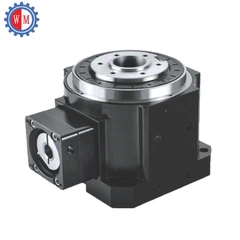
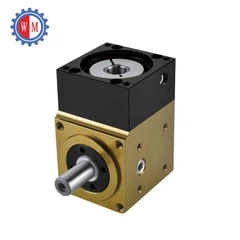
As a supplier, I offer a wide range of right angle reducers to meet the needs of different applications. For example, if you're looking for a compact and efficient solution, you might want to check out our Hollow Solid Shaft Right Angle Reducer. This reducer is designed with high-quality materials and advanced gearing technology to provide excellent transmission efficiency.
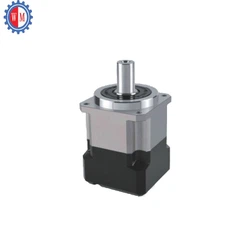
If you need a reducer with a high reduction ratio and a lot of torque, our Gear Head Speed Reducer might be the perfect choice. It features a durable design and efficient worm gears to deliver reliable performance.
By choosing a right angle reducer with high transmission efficiency, you can not only improve the performance of your equipment but also contribute to a more sustainable future.


If you're in the market for a right angle reducer, I'd love to chat with you about your specific needs. Whether you're working on a small DIY project or a large industrial application, I can help you find the right solution. Contact me to start a discussion about your project requirements, and let's find the perfect right angle reducer for you.
References:
- Norton, R. L. (2004). Design of Machinery: An Introduction to the Synthesis and Analysis of Mechanisms and Machines. McGraw-Hill Education.
- Shigley, J. E., & Mischke, C. R. (2001). Mechanical Engineering Design. McGraw-Hill Education.


