


What is the step size of a motorized rotation stage?
As a trusted supplier of motorized rotation stages, I often encounter inquiries regarding the step size of these precision instruments. Understanding the concept of step size is crucial for users who require accurate and controlled rotational movements in various applications, such as microscopy, photonics, and automation. In this blog post, I will delve into the details of step size, its significance, and how it relates to the performance of motorized rotation stages.
Defining Step Size
The step size of a motorized rotation stage refers to the smallest angular displacement that the stage can achieve in a single step. It is typically measured in degrees or arcseconds and determines the resolution and precision of the rotational movement. A smaller step size indicates a higher resolution, allowing for more precise positioning and finer adjustments.


To illustrate this concept, imagine a motorized rotation stage with a step size of 0.1 degrees. This means that the stage can rotate in increments of 0.1 degrees, providing a high level of precision for applications that require accurate angular positioning. On the other hand, a stage with a larger step size, such as 1 degree, would have a lower resolution and may not be suitable for applications that demand fine control.
Factors Affecting Step Size
Several factors can influence the step size of a motorized rotation stage. These include the type of motor used, the gear ratio, and the control system.
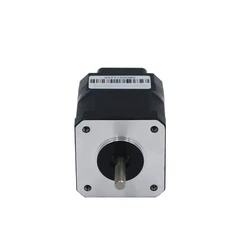
- Motor Type: Different types of motors, such as stepper motors and servo motors, have different step sizes. Stepper motors are commonly used in motorized rotation stages due to their ability to provide precise incremental movements. The step size of a stepper motor is determined by the number of steps per revolution, which can range from a few steps to several hundred steps. Servo motors, on the other hand, offer continuous rotation and can achieve very small step sizes through feedback control.
- Gear Ratio: The gear ratio of a motorized rotation stage determines the relationship between the rotation of the motor and the rotation of the stage. A higher gear ratio can reduce the step size of the stage by increasing the mechanical advantage. For example, a stage with a gear ratio of 10:1 will rotate 10 times slower than the motor, resulting in a smaller step size.
- Control System: The control system of a motorized rotation stage plays a crucial role in determining the step size. Advanced control systems can provide microstepping capabilities, which allow the motor to move in smaller increments than its nominal step size. Microstepping can significantly improve the resolution and smoothness of the rotational movement, especially at low speeds.
Significance of Step Size
The step size of a motorized rotation stage is an important parameter that can have a significant impact on the performance of the stage. Here are some key reasons why step size matters:
- Precision and Accuracy: A smaller step size allows for more precise and accurate angular positioning, which is essential for applications that require high levels of precision, such as microscopy and photonics. By achieving smaller angular increments, the stage can position samples or components with greater accuracy, resulting in better experimental results or product quality.
- Resolution and Smoothness: A smaller step size also improves the resolution and smoothness of the rotational movement. This is particularly important for applications that require continuous rotation, such as scanning and imaging. With a smaller step size, the stage can move more smoothly and without noticeable jerks or vibrations, resulting in better image quality and reduced noise.
- Flexibility and Adaptability: A motorized rotation stage with a small step size offers greater flexibility and adaptability in different applications. It can be easily adjusted to achieve the desired angular position, even for complex or irregular movements. This makes the stage suitable for a wide range of applications, from research and development to industrial automation.
Choosing the Right Step Size
When selecting a motorized rotation stage, it is important to choose the right step size based on your specific application requirements. Here are some factors to consider:
- Application Requirements: Consider the level of precision and accuracy required for your application. If you need to position samples or components with high precision, a stage with a smaller step size may be necessary. On the other hand, if your application does not require such high levels of precision, a stage with a larger step size may be sufficient.
- Speed and Torque: The step size of a motorized rotation stage can also affect its speed and torque capabilities. A smaller step size generally results in slower rotation speeds and lower torque output. Therefore, it is important to balance the step size with the speed and torque requirements of your application.
- Budget and Cost: Motorized rotation stages with smaller step sizes typically come at a higher cost. Therefore, it is important to consider your budget and cost constraints when choosing a stage. Look for a stage that offers the right balance between performance and cost.
Our Motorized Rotation Stages
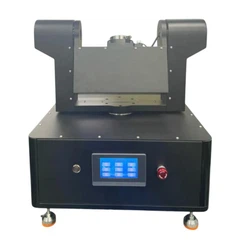
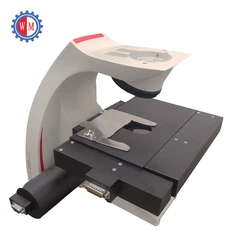
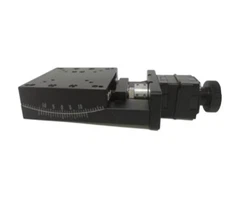
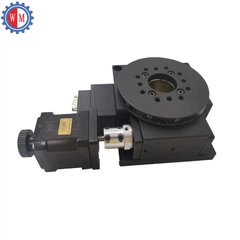
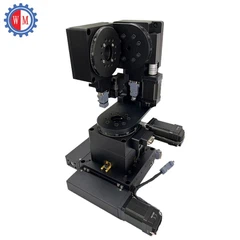
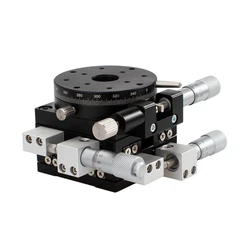
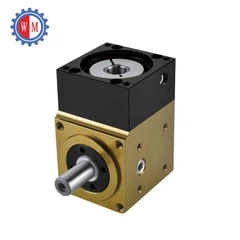
As a leading supplier of motorized rotation stages, we offer a wide range of products with different step sizes to meet the diverse needs of our customers. Our Worm Gear Precision Rotation Stage features a high-precision worm gear drive system, which provides smooth and accurate rotational movements with a small step size. It is suitable for applications that require high levels of precision, such as microscopy and photonics.
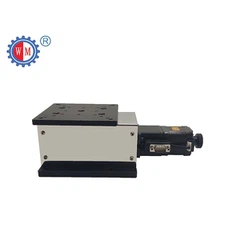
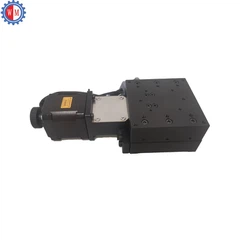
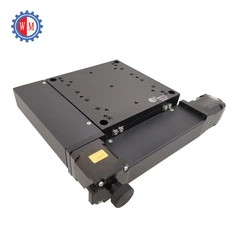
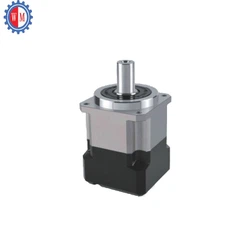
Our 100mm 4 Inch Motorized Rotation Stage is a versatile stage that offers a large platform size and a high load capacity. It is equipped with a stepper motor and a microstepping control system, which allows for precise angular positioning with a small step size. This stage is ideal for applications that require both precision and flexibility, such as automation and robotics.
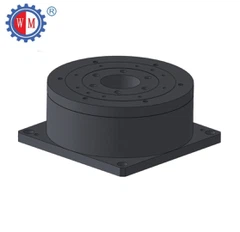
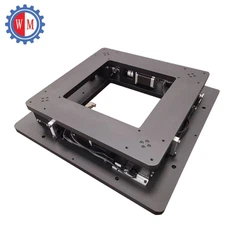
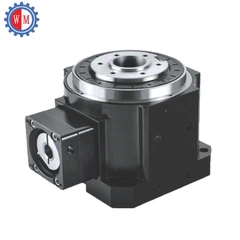
For applications that require a large open aperture, our Hollow Rotary Table with Large Open Aperture is the perfect choice. It features a hollow design that allows for the passage of cables, fibers, or other components, while providing smooth and accurate rotational movements with a small step size. This stage is commonly used in applications such as laser processing, optical inspection, and semiconductor manufacturing.
Conclusion
The step size of a motorized rotation stage is a critical parameter that determines the resolution, precision, and performance of the stage. By understanding the concept of step size and its significance, you can choose the right motorized rotation stage for your specific application requirements. As a trusted supplier of motorized rotation stages, we are committed to providing high-quality products with excellent performance and reliability. If you have any questions or need further assistance in selecting the right stage for your application, please do not hesitate to contact us. We look forward to working with you to meet your rotational positioning needs.
References
- "Motorized Rotation Stages: A Comprehensive Guide." Precision Motion Control, Inc.
- "Step Size and Resolution in Motorized Rotation Stages." Motion Control Tips, published by Kollmorgen.
- "Choosing the Right Motorized Rotation Stage for Your Application." Newport Corporation.


