
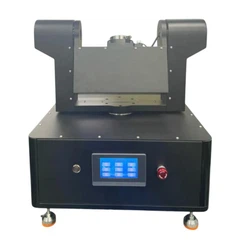
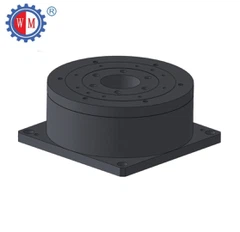


Hey there! As a supplier of Manual X - Axis Stages, I often get asked about the static load capacity of these nifty devices. So, I thought I'd sit down and write this blog to share everything I know about it.
First off, let's understand what we mean by "static load capacity." In simple terms, it's the maximum amount of weight that a Manual X - Axis Stage can handle when it's not in motion. You know, when it's just sitting there, holding whatever you've placed on it. This is super important because if you exceed the static load capacity, you could end up damaging the stage, and that's definitely not what we want.
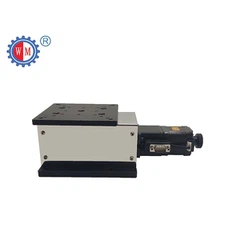
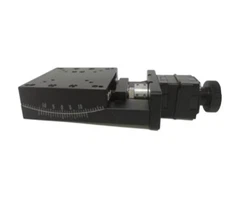
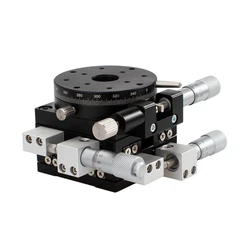
Now, the static load capacity of Manual X - Axis Stages can vary quite a bit. It depends on a bunch of factors, like the size of the stage, the materials it's made from, and the design. For example, smaller stages like the Miniature Micrometer Linear Stage usually have a lower static load capacity compared to larger ones. These miniature stages are great for applications where you need precise, small - scale movements, but they're not built to handle heavy loads. They're more like the delicate artists of the Manual X - Axis Stage family.
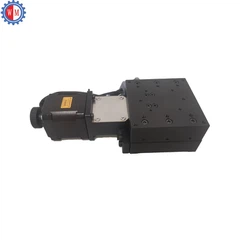
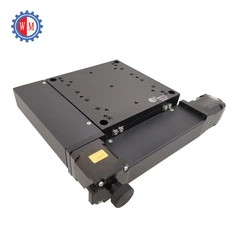
On the other hand, larger stages such as the X Axis Manual Linear Translation Stage are designed to handle more weight. They're sturdier, with stronger frames and better - engineered components. These stages are often used in industrial settings or for applications where you need to move heavier objects along the X - axis.
Let's talk a bit about the materials. Stages made from high - quality metals like aluminum or steel generally have a higher static load capacity. Aluminum is lightweight but strong, and it's resistant to corrosion. Steel, on the other hand, is incredibly tough and can handle a lot of weight. The choice of material also affects how the stage performs over time. A stage made from a durable material will maintain its static load capacity and other performance characteristics for longer.
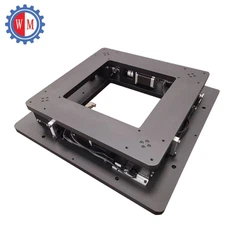
The design of the stage also plays a crucial role. A well - designed stage will distribute the load evenly across its structure. This means that even if you're placing a heavy object on one side of the stage, the load will be spread out so that no single part of the stage is overloaded. Some stages have additional support structures or reinforcement to increase their static load capacity. For instance, the Manual Adjustable Table might have a reinforced base to handle more weight.
Why does the static load capacity matter? Well, if you're using a Manual X - Axis Stage in an application where you need to move or position a heavy object, you need to make sure that the stage can handle the weight. If you try to use a stage with a low static load capacity for a heavy - duty application, you could experience problems like the stage bending or the movement becoming inaccurate. This can lead to costly downtime and repairs.
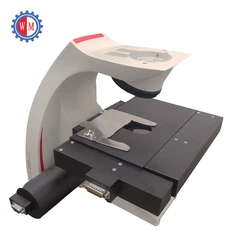
For example, let's say you're using a Manual X - Axis Stage in a manufacturing process to move a heavy workpiece. If the static load capacity of the stage is too low, the stage might start to sag under the weight of the workpiece. This can cause the movement along the X - axis to be off - center or uneven, which can affect the quality of the manufacturing process.
Another important thing to consider is the safety factor. It's always a good idea to choose a stage with a static load capacity that's higher than the actual weight you'll be placing on it. This gives you some wiggle room in case there are any unexpected changes in the load or if there are any dynamic forces acting on the stage during operation.
So, how do you determine the right static load capacity for your needs? First, you need to know the weight of the object you'll be placing on the stage. This includes not only the weight of the main object but also any additional fixtures or accessories that will be attached to it. Then, you need to consider any dynamic forces that might be acting on the stage, such as vibrations or sudden movements.
Once you have an idea of the total weight and forces, you can start looking at different Manual X - Axis Stages. Check the specifications provided by the manufacturer to find a stage with a static load capacity that meets or exceeds your requirements. And don't forget to consider the other factors we talked about, like the size, material, and design of the stage.
As a supplier of Manual X - Axis Stages, I've seen all sorts of applications, from small - scale laboratory setups to large - scale industrial manufacturing. And I know how important it is to choose the right stage with the appropriate static load capacity.
If you're in the market for a Manual X - Axis Stage and you're not sure which one is right for you, I'd be more than happy to help. Just reach out, and we can have a chat about your specific needs. Whether you need a high - capacity stage for heavy - duty applications or a precise, low - load stage for a delicate project, we've got you covered.
In conclusion, understanding the static load capacity of Manual X - Axis Stages is crucial for choosing the right stage for your application. It depends on factors like size, material, and design, and it can have a big impact on the performance and longevity of the stage. So, take the time to do your research and make an informed decision.
If you're interested in learning more or if you're ready to make a purchase, feel free to contact us. We're here to assist you every step of the way.
References


- General knowledge of Manual X - Axis Stages in the industry.
- Manufacturer specifications of various Manual X - Axis Stages.


