

The minimum speed of a motorized lift stage is a crucial parameter that can significantly impact its performance and suitability for various applications. As a supplier of motorized lift stages, I understand the importance of this specification and how it relates to the overall functionality of the equipment. In this blog post, I will delve into the concept of the minimum speed of a motorized lift stage, discuss the factors that influence it, and explain why it matters in different industrial and scientific settings.
Understanding the Minimum Speed of a Motorized Lift Stage
The minimum speed of a motorized lift stage refers to the slowest rate at which the stage can move vertically. It is typically measured in millimeters per second (mm/s) or inches per second (in/s). This speed is determined by the motor, the drive system, and the control mechanism of the lift stage. A lower minimum speed allows for more precise and delicate movements, which are often required in applications such as microscopy, semiconductor manufacturing, and precision assembly.
Factors Influencing the Minimum Speed
Several factors can influence the minimum speed of a motorized lift stage. These include:


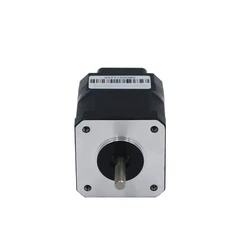
- Motor Type: Different types of motors, such as stepper motors, servo motors, and DC motors, have different speed capabilities. Stepper motors are known for their precise positioning and relatively low minimum speeds, making them suitable for applications that require high accuracy. Servo motors, on the other hand, offer higher speeds and better dynamic performance but may have a higher minimum speed. DC motors are often used for applications that require simple and cost-effective solutions, but their minimum speed may be limited.
- Drive System: The drive system of a motorized lift stage, such as a ball screw, lead screw, or belt drive, can also affect the minimum speed. Ball screws and lead screws provide high precision and smooth motion, allowing for lower minimum speeds. Belt drives, on the other hand, are more flexible and can offer higher speeds but may have a higher minimum speed due to the nature of the belt.
- Control Mechanism: The control mechanism of a motorized lift stage, such as a controller or a driver, plays a crucial role in determining the minimum speed. Advanced controllers can provide more precise speed control and allow for lower minimum speeds. Additionally, the control algorithm used in the controller can also affect the minimum speed and the overall performance of the lift stage.
- Load Capacity: The load capacity of a motorized lift stage can also influence the minimum speed. A heavier load may require a higher minimum speed to overcome the inertia and friction, while a lighter load may allow for a lower minimum speed.
Importance of the Minimum Speed in Different Applications
The minimum speed of a motorized lift stage is an important consideration in various applications. Here are some examples:
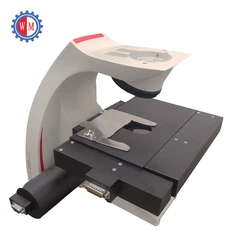
- Microscopy: In microscopy, precise and slow movements are required to focus on different layers of a sample. A motorized lift stage with a low minimum speed allows for fine adjustments and accurate positioning, ensuring clear and detailed images. For example, in confocal microscopy, the lift stage needs to move slowly to capture images at different depths, and a low minimum speed is essential for obtaining high-quality results.
- Semiconductor Manufacturing: In semiconductor manufacturing, precision is of utmost importance. Motorized lift stages are used for tasks such as wafer handling, inspection, and testing. A low minimum speed allows for accurate positioning of the wafers, ensuring the quality and reliability of the semiconductor devices. For instance, during the lithography process, the lift stage needs to move slowly and precisely to align the mask with the wafer, and a low minimum speed is crucial for achieving high-resolution patterns.
- Precision Assembly: In precision assembly applications, such as the assembly of microelectronics and medical devices, a motorized lift stage with a low minimum speed is required to handle delicate components and perform accurate assembly operations. A slow and controlled movement ensures that the components are not damaged during the assembly process and that the final product meets the required specifications. For example, in the assembly of microchips, the lift stage needs to move slowly to place the chips on the circuit board with high precision.
Our Motorized Lift Stage Offerings
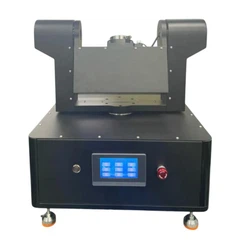
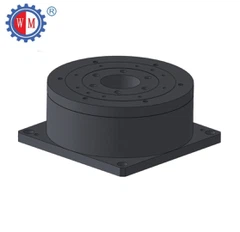
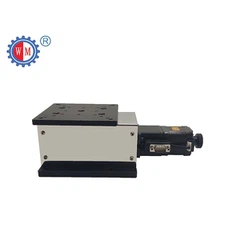
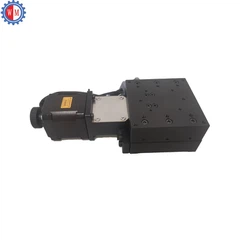
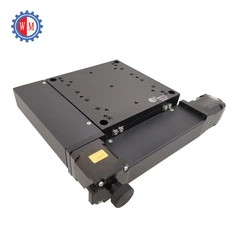
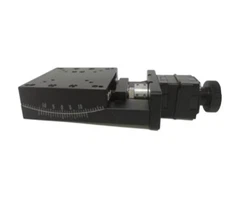
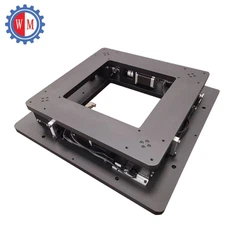
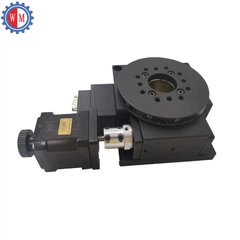
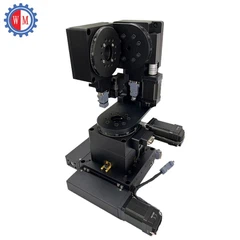
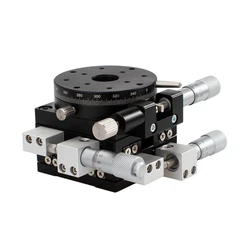
As a supplier of motorized lift stages, we offer a wide range of products with different minimum speeds to meet the diverse needs of our customers. Our Short Travel Motorized Vertical Positioning Stage is designed for applications that require short travel distances and high precision. It features a low minimum speed and a high-resolution encoder, allowing for accurate and repeatable positioning. Our High Precision Motorized Z Axis Stage is suitable for applications that require high precision and fast movement. It offers a wide range of minimum speeds and can be customized to meet specific requirements. Our Motorized Lift Stage is a versatile product that can be used in various applications. It provides a balance between speed and precision and is available in different load capacities and travel distances.
Conclusion
The minimum speed of a motorized lift stage is a critical parameter that can affect its performance and suitability for different applications. By understanding the factors that influence the minimum speed and its importance in various industries, you can make an informed decision when choosing a motorized lift stage for your specific needs. As a supplier of motorized lift stages, we are committed to providing high-quality products with a wide range of minimum speeds to meet the diverse requirements of our customers. If you have any questions or need further information about our motorized lift stages, please feel free to contact us for a consultation and potential procurement.
References
- "Motion Control Handbook," by Peter Nachtwey
- "Precision Machine Design," by Wayne C. Dreier
- "Semiconductor Manufacturing Technology," by Peter Van Zant


