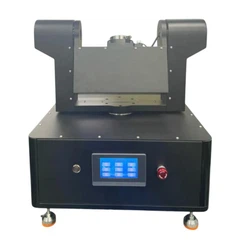
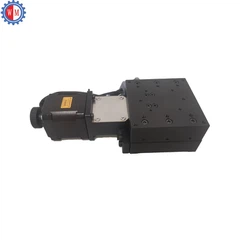
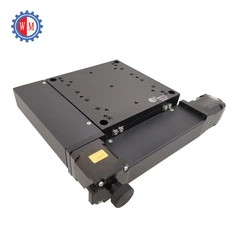
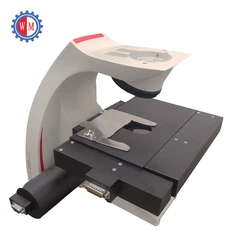
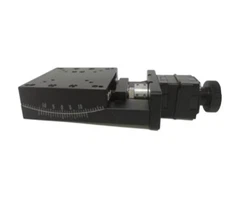


Hey there! As a supplier of 3 Axis Motorized Gimbals, I often get asked about the maximum rotation angle of these cool devices. So, let's dive right into it and explore what the maximum rotation angle of a 3 Axis Motorized Gimbal is.
First off, let's quickly understand what a 3 Axis Motorized Gimbal is. It's a device that allows for precise movement and positioning in three different axes - pitch, roll, and yaw. This is super handy in a bunch of applications, like in photography and videography to keep the camera steady and get those smooth shots, or in robotics for controlling the movement of certain parts.
Understanding the Three Axes
- Pitch: This is the up - and - down movement. Think of it like nodding your head. When you're using a camera on a gimbal, pitch allows you to point the camera up towards the sky or down towards the ground.
- Roll: Roll is the side - to - side tilting movement. It's like tilting your head to one side. In a camera setup, roll can be used to create some creative angled shots.
- Yaw: Yaw is the horizontal rotation. It's similar to turning your head left or right. For a camera on a gimbal, yaw enables you to pan across a scene.
What Affects the Maximum Rotation Angle?
There are several factors that can influence the maximum rotation angle of a 3 Axis Motorized Gimbal.
1. Design and Build
The physical design of the gimbal plays a huge role. Some gimbals are built with a more compact design, which might limit the rotation angles to avoid parts hitting each other. For example, if the arms of the gimbal are short, there might not be enough space for a full 360 - degree rotation without the arms colliding. On the other hand, larger and more robustly designed gimbals can often achieve greater rotation angles.
2. Motor Power
The power of the motors used in the gimbal is also crucial. Motors with higher torque can handle more resistance and allow for a wider range of rotation. If the motors are too weak, they might not be able to rotate the load (like a heavy camera) through a large angle. For instance, if you're using a high - end DSLR camera on a gimbal, you'll need motors with enough power to move it smoothly through the desired rotation angles.
3. Load Capacity
The weight and size of the object being mounted on the gimbal can affect the rotation angles. A heavier load will put more stress on the motors and might limit the maximum angle that can be achieved. If you try to mount a very large and heavy lens on a gimbal that's not designed for it, you might find that the rotation angles are restricted, and the gimbal might not operate as smoothly.


Typical Maximum Rotation Angles
Now, let's talk about what the typical maximum rotation angles are for each axis.
Pitch
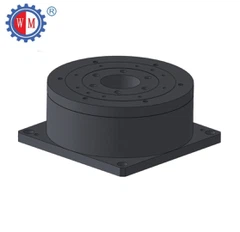
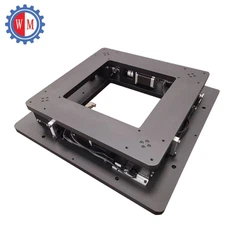
In most 3 Axis Motorized Gimbals, the pitch axis can usually achieve a rotation angle of around 180 degrees or more. This allows you to point the camera straight up and then all the way down. Some high - end gimbals can even offer a pitch rotation close to 360 degrees, which is great for getting those really unique overhead and ground - level shots. You can check out our Motorized 3 Axis Gimbal Stage for models that offer excellent pitch rotation capabilities.
Roll
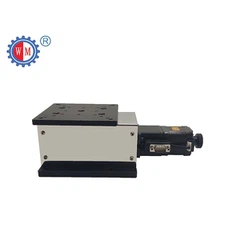
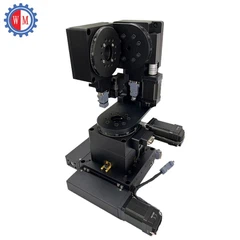
The roll axis typically has a rotation angle of around 180 degrees. This gives you the ability to tilt the camera from one side to the other. However, some gimbals can offer a bit more, up to around 270 degrees. This extra range can be really useful for creating some extreme angled shots in photography and videography. Our Three - Axis Motorized Gimbal Stage has models with great roll rotation features.
Yaw
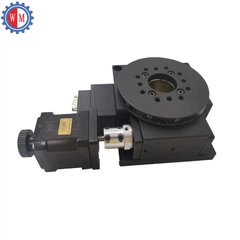
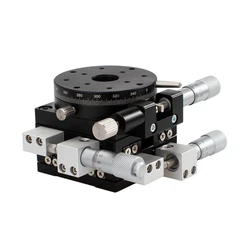
The yaw axis often has the potential for a full 360 - degree rotation. This is because there's usually more freedom in the horizontal plane, and it's easier to design the gimbal to allow for continuous rotation. A full 360 - degree yaw rotation is extremely useful for panning around a scene without any limitations. Our Mini Pitch Roll Yaw Motor Gimbal Stage is a great option if you're looking for a compact gimbal with good yaw rotation.
Why Maximum Rotation Angle Matters
The maximum rotation angle of a 3 Axis Motorized Gimbal is important for a few reasons.
In Photography and Videography
- Creative Shots: A wider rotation angle allows photographers and videographers to get more creative with their shots. They can capture unique perspectives that would be difficult or impossible to achieve without a gimbal. For example, a 360 - degree yaw rotation can be used to create a panoramic view, and a large pitch rotation can be used to get a shot from the top of a building looking straight down.
- Smooth Transitions: When shooting a video, smooth transitions between different angles are essential. A gimbal with a good maximum rotation angle can ensure that these transitions are seamless, making the video look more professional.
In Robotics and Automation
- Precise Movement: In robotics, the ability to rotate in multiple axes with a large angle range is crucial for performing various tasks. For example, a robotic arm with a 3 Axis Motorized Gimbal can reach different positions and orientations to pick up objects or perform assembly tasks.
Choosing the Right Gimbal Based on Rotation Angle
If you're in the market for a 3 Axis Motorized Gimbal, here are some things to consider based on the rotation angle.
Your Application
- If you're mainly into landscape photography, you might prioritize a gimbal with a good yaw rotation for panning across the scenery.
- For action sports videography, a gimbal with a large pitch rotation can be useful for getting those dynamic up - and - down shots.
Budget
Higher - end gimbals with wider rotation angles and more advanced features usually come with a higher price tag. So, you need to balance your budget with your requirements. There are some great mid - range gimbals that offer decent rotation angles at a more affordable price.
Conclusion
So, in conclusion, the maximum rotation angle of a 3 Axis Motorized Gimbal varies depending on several factors like design, motor power, and load capacity. While typical rotation angles for pitch are around 180 degrees or more, roll is around 180 - 270 degrees, and yaw can often reach a full 360 degrees. Understanding these rotation angles is important whether you're a photographer, videographer, or involved in robotics.
If you're interested in purchasing a 3 Axis Motorized Gimbal, we're here to help. We offer a wide range of gimbals with different rotation angles and features to suit your needs. Don't hesitate to reach out to us to discuss your requirements and start a procurement negotiation. We're confident that we can find the perfect gimbal for you.
References
- General knowledge of 3 Axis Motorized Gimbals from industry experience.
- Technical specifications of various 3 Axis Motorized Gimbal models.


