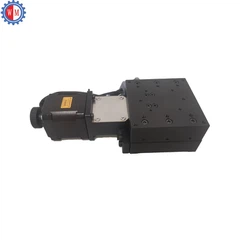
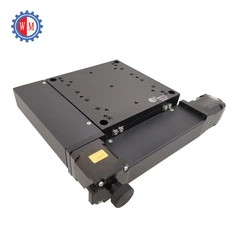
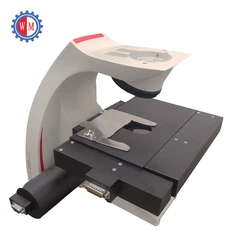
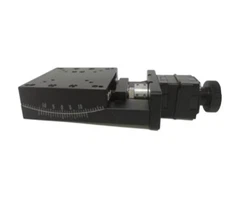
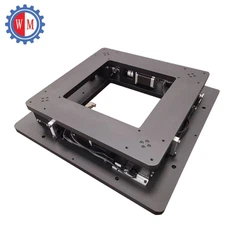
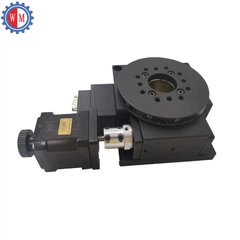
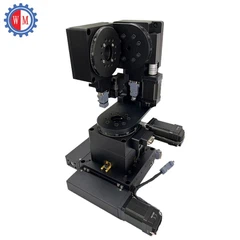
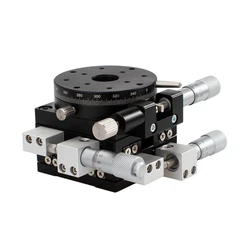


In the realm of precision engineering, motorized rotation stages play a pivotal role in a wide array of applications, from optical research to industrial automation. As a leading supplier of motorized rotation stages, we often encounter inquiries about the materials used in the construction of these platforms. Understanding the materials is crucial as they directly influence the performance, durability, and overall quality of the rotation stage. In this blog post, we will delve into the various materials commonly used in motorized rotation stage platforms and their implications.
Aluminum
Aluminum is one of the most popular materials for motorized rotation stage platforms. It offers several advantages that make it well - suited for this application. Firstly, aluminum is lightweight. This property is particularly beneficial in applications where the rotation stage needs to be moved or integrated into a larger system. The reduced weight allows for easier handling and less stress on the supporting structures.
Secondly, aluminum has good corrosion resistance. In many laboratory and industrial environments, the rotation stage may be exposed to moisture, chemicals, or other corrosive substances. The natural oxide layer on the surface of aluminum protects it from rust and other forms of corrosion, ensuring a longer service life.
Another advantage of aluminum is its high thermal conductivity. In some applications, the motorized rotation stage may generate heat during operation. The ability of aluminum to dissipate heat quickly helps to maintain a stable operating temperature, which is essential for the accuracy and reliability of the stage. For example, in optical applications where precise alignment is required, temperature fluctuations can cause thermal expansion or contraction, leading to misalignment.
Aluminum is also relatively easy to machine. This allows for the production of complex shapes and precise dimensions, which are often necessary for motorized rotation stages. Manufacturers can create custom - designed platforms to meet the specific requirements of different applications.
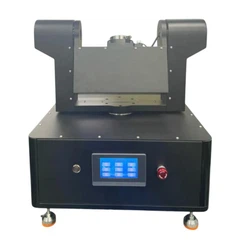
Our Motorized Precision Rotation Stage often utilizes high - quality aluminum in its platform construction. The combination of light weight, corrosion resistance, and machinability makes it an ideal choice for achieving high precision and long - term performance.
Stainless Steel
Stainless steel is another material commonly used in motorized rotation stage platforms. It is known for its exceptional strength and durability. Stainless steel can withstand heavy loads and harsh operating conditions without deforming or wearing out easily.
One of the key benefits of stainless steel is its high resistance to corrosion and staining. This makes it suitable for applications in harsh environments, such as chemical processing plants or outdoor installations. In these settings, the rotation stage may be exposed to corrosive chemicals, saltwater, or extreme weather conditions. The corrosion - resistant properties of stainless steel ensure that the platform remains in good condition over an extended period.
Stainless steel also has excellent mechanical properties, including high tensile strength and hardness. This allows the rotation stage to maintain its accuracy and stability even under heavy loads or high - speed operation. For industrial applications where the stage needs to handle large workpieces or perform high - throughput operations, stainless steel is a preferred material.
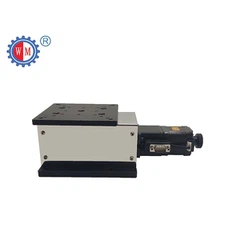
However, stainless steel is heavier than aluminum, which can be a drawback in some applications where weight is a critical factor. Additionally, stainless steel is more difficult and expensive to machine compared to aluminum. Despite these limitations, our Optic Motorized Rotating Stage may incorporate stainless steel components in the platform for applications that require high strength and corrosion resistance.
Cast Iron
Cast iron has a long history of use in mechanical engineering, and it also finds its place in motorized rotation stage platforms. Cast iron is known for its high damping capacity. Damping refers to the ability of a material to absorb and dissipate vibration. In motorized rotation stages, vibration can cause inaccuracies in positioning and reduce the overall performance of the system.
The high damping capacity of cast iron helps to minimize vibration, resulting in smoother and more precise rotation. This is particularly important in applications such as microscopy, where even the slightest vibration can affect the quality of the images.
Cast iron is also relatively inexpensive and easy to cast into complex shapes. This makes it a cost - effective option for manufacturing large - scale motorized rotation stages. However, cast iron is heavy, which can limit its use in applications where weight needs to be minimized. It also has a lower corrosion resistance compared to stainless steel, so it may require additional surface treatments in corrosive environments.
Titanium
Titanium is a high - performance material that is increasingly being used in motorized rotation stage platforms. Titanium offers a unique combination of high strength, low weight, and excellent corrosion resistance. It has a strength - to - weight ratio that is superior to both aluminum and steel, making it an ideal choice for applications where weight reduction is crucial without sacrificing strength.
In aerospace and high - end research applications, the use of titanium in motorized rotation stages can significantly improve the overall performance of the system. The low weight of titanium reduces the inertia of the rotating platform, allowing for faster acceleration and deceleration, and more precise control.
Titanium also has good biocompatibility, which makes it suitable for medical and biological applications. In these fields, the rotation stage may come into contact with biological samples or be used in a sterile environment. The biocompatibility of titanium ensures that it does not contaminate the samples or cause any adverse reactions.
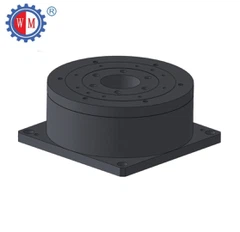
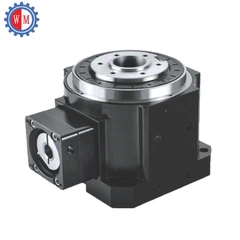
However, titanium is an expensive material, and its machining process is complex and time - consuming. These factors limit its widespread use in motorized rotation stages, but for high - end and specialized applications, the benefits of titanium often outweigh the costs. Our Motorized Rotary Table may be available with titanium components for customers with specific high - performance requirements.
Considerations for Material Selection
When selecting the material for a motorized rotation stage platform, several factors need to be considered. Firstly, the application requirements play a crucial role. If the stage is used in a laboratory environment where precision and light weight are important, aluminum may be the best choice. On the other hand, if the stage needs to withstand heavy loads and harsh conditions, stainless steel or cast iron may be more suitable.
Cost is another important consideration. Different materials have different costs, and the budget available for the project will influence the material selection. In some cases, a balance needs to be struck between cost and performance.


The manufacturing process also affects the material choice. Some materials are easier to machine than others, and the complexity of the design may require a material that can be easily formed into the desired shape.
Finally, the long - term maintenance requirements of the rotation stage should be taken into account. Materials with good corrosion resistance and durability will require less maintenance over time, reducing the overall cost of ownership.
Conclusion
In conclusion, the material of the platform in a motorized rotation stage is a critical factor that affects its performance, durability, and cost. Aluminum, stainless steel, cast iron, and titanium are all commonly used materials, each with its own unique properties and advantages. As a supplier of motorized rotation stages, we understand the importance of selecting the right material for each application. We offer a wide range of products, including Motorized Precision Rotation Stage, Optic Motorized Rotating Stage, and Motorized Rotary Table, which are carefully engineered to meet the diverse needs of our customers.
If you are in the market for a motorized rotation stage and need more information about the materials or our products, please do not hesitate to contact us. Our team of experts is ready to assist you in selecting the most suitable rotation stage for your application and to engage in procurement discussions.
References
- Callister, W. D., & Rethwisch, D. G. (2011). Materials Science and Engineering: An Introduction. Wiley.
- Shackelford, J. F. (2009). Introduction to Materials Science for Engineers. Pearson Prentice Hall.


