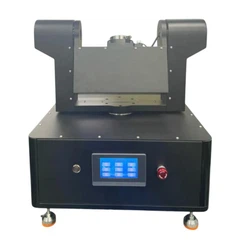
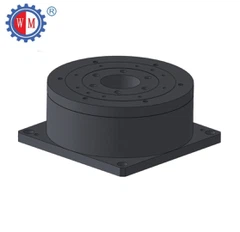
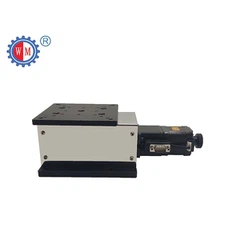
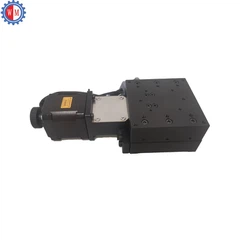
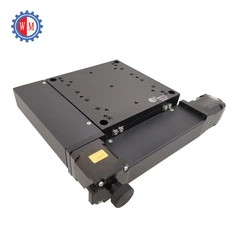
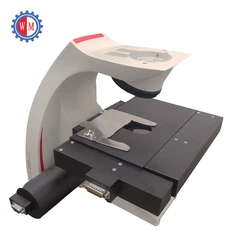
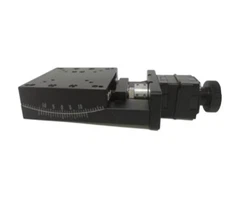
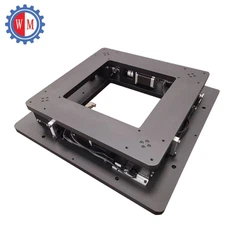
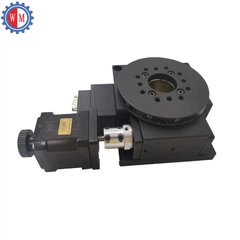
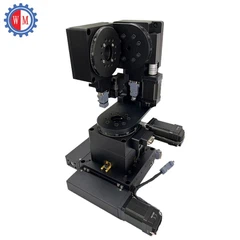
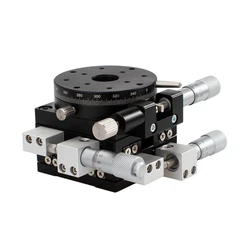


Hey there! As a supplier of Manual Multi - Axis Stages, I'm super excited to share with you the maintenance steps for these awesome pieces of equipment. Manual multi - axis stages are incredibly useful in various fields like microscopy, photonics, and precision manufacturing. They offer precise control over movement in multiple directions, but to keep them working at their best, proper maintenance is a must.
1. Regular Cleaning
First off, cleaning is key. Dust, debris, and even tiny particles can accumulate on the stage over time. This build - up can affect the smooth movement of the stage and reduce its accuracy.
For the exterior, you can use a soft, lint - free cloth. Just gently wipe down the surface to remove any visible dirt. If there are stubborn stains, you can dampen the cloth slightly with a mild cleaning solution. But make sure it's not too wet, as you don't want any liquid to seep into the stage components.
When it comes to the moving parts, like the screws and rails, you need to be extra careful. A can of compressed air can be a great tool here. Use it to blow away any dust that might be hiding in the crevices. You can also use a small brush, like a paintbrush, to gently sweep away particles. Check out our Manual Xyr Stage for an example of a stage that requires this kind of meticulous cleaning.
2. Lubrication
Lubrication is another important step in maintaining manual multi - axis stages. The moving parts, such as the lead screws and bearings, need proper lubrication to ensure smooth operation.
You should choose a high - quality lubricant that is suitable for the materials used in the stage. For most manual stages, a light - weight machine oil or a specialized lubricant for precision equipment is a good choice.
Apply the lubricant sparingly to the moving parts. Too much lubricant can attract dust and debris, which is exactly what we're trying to avoid. A little goes a long way. After applying the lubricant, move the stage through its full range of motion a few times to distribute the lubricant evenly. This will help reduce friction and wear on the components. Our XYZR Axis Manual Stage has multiple moving parts that benefit greatly from proper lubrication.
3. Inspection for Wear and Tear
Regular inspection is crucial to catch any signs of wear and tear early on. Look for any visible damage to the stage, such as scratches, dents, or cracks. These can affect the performance of the stage and may even lead to more serious problems if left untreated.
Check the screws and nuts to make sure they are tight. Loose screws can cause the stage to become unstable and affect its accuracy. You can use a small wrench or screwdriver to tighten them if necessary.
Also, pay attention to the movement of the stage. If you notice any jerks, sticking, or uneven movement, it could be a sign of a problem. This might be due to a worn - out component or a build - up of debris. If you encounter such issues, it's best to address them as soon as possible. Our Manual Linear XYZ Translation Stage is a complex piece of equipment that needs regular inspection to ensure optimal performance.
4. Calibration
Calibration is an essential part of maintaining the accuracy of manual multi - axis stages. Over time, the stage may lose its calibration due to normal wear and tear, temperature changes, or other factors.
You can use a precision measuring tool, such as a micrometer or a laser interferometer, to check the accuracy of the stage. Compare the actual movement of the stage with the expected movement based on the scale readings. If there are any discrepancies, you may need to adjust the stage to bring it back into calibration.
Calibration should be done at regular intervals, especially if the stage is used frequently or in critical applications. This will ensure that you get accurate and reliable results every time you use the stage.
5. Storage
Proper storage is also important when it comes to maintaining manual multi - axis stages. When the stage is not in use, it should be stored in a clean, dry environment. Avoid storing it in areas with high humidity or extreme temperatures, as these can damage the components.
You can use a protective cover to keep the stage clean and prevent dust from accumulating on it. If possible, store the stage in a case or a cabinet to provide additional protection.
6. Handling and Transportation
When handling or transporting the stage, you need to be very careful. Always use the proper lifting techniques to avoid dropping or damaging the stage. If you need to move the stage, make sure it is properly secured to prevent any movement during transportation.
Use shock - absorbing materials, such as foam or bubble wrap, to protect the stage from vibrations and impacts. This will help prevent any damage to the delicate components of the stage.


Conclusion
In conclusion, maintaining manual multi - axis stages is not that difficult if you follow these steps. Regular cleaning, lubrication, inspection, calibration, proper storage, and careful handling are all important aspects of keeping your stage in top - notch condition.
If you have any questions about the maintenance of our manual multi - axis stages or if you're interested in purchasing one, don't hesitate to reach out. We're here to help you get the most out of your equipment and ensure that it serves you well for years to come. Whether you're looking for a Manual Xyr Stage, an XYZR Axis Manual Stage, or a Manual Linear XYZ Translation Stage, we've got you covered.
References
- "Precision Engineering Handbook", edited by Michael Gaso
- "Handbook of Optical Systems", by Herbert Gross


