

Hey there! As a supplier of Visual Alignment Stages, I've been thinking a lot about the impact of image compression on the Visual Alignment Stage. In this blog, I'll share my insights on how image compression can affect this crucial stage in various applications.
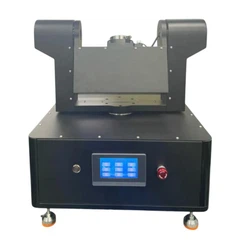
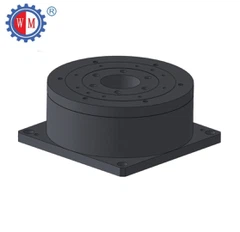
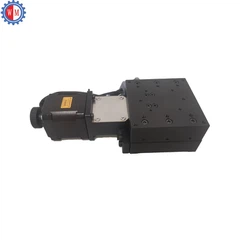
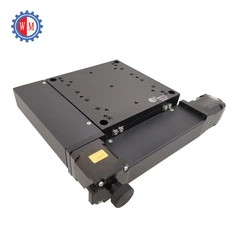
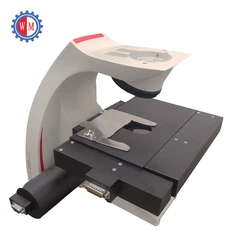
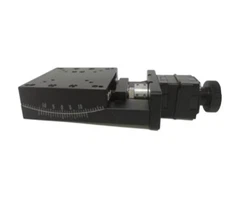
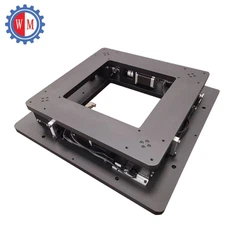
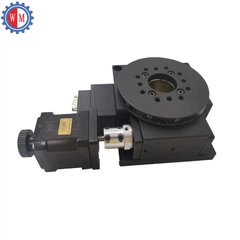
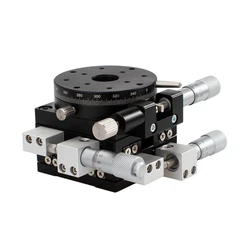
Let's first understand what the Visual Alignment Stage is. It's a key component in many precision - engineering and manufacturing processes. Whether it's in semiconductor manufacturing, optical device assembly, or microscopy, the Visual Alignment Stage helps in accurately positioning components based on visual feedback. You can check out more about our Visual Alignment Stage on our website.
Now, image compression is a common technique used to reduce the size of image files. It's super handy because it saves storage space and speeds up data transfer. But when it comes to the Visual Alignment Stage, things get a bit more complicated.
Effects on Image Quality
One of the most obvious effects of image compression is on image quality. There are two main types of image compression: lossy and lossless. Lossless compression reduces file size without losing any image data. It's great because you get a smaller file with the same level of detail. However, it usually doesn't achieve as high a compression ratio as lossy compression.
Lossy compression, on the other hand, sacrifices some image data to get a much smaller file size. This is where problems can start for the Visual Alignment Stage. When you compress an image using lossy methods, you might lose fine details, edges can become blurred, and color accuracy can be affected.
In the Visual Alignment Stage, accurate edge detection is crucial. For example, when aligning two semiconductor chips, you need to precisely identify the edges of the chips to ensure proper alignment. If the image is compressed using a high - level lossy algorithm, the edges might appear jagged or less distinct. This can lead to errors in the alignment process, resulting in misaligned components and potentially defective products.
Color accuracy is also important in some applications. In optical device assembly, different colors might represent different components or features. If image compression distorts the colors, it can be difficult to accurately identify and align these elements.
Impact on Alignment Accuracy
The accuracy of the Visual Alignment Stage depends heavily on the quality of the input image. When image compression degrades the image quality, it directly impacts alignment accuracy.


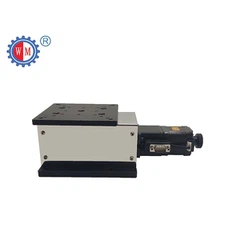
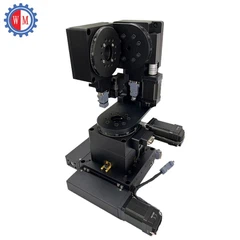
Let's say you're using a Motorized UVW Alignment Stage for a high - precision task. The stage moves based on the information it gets from the visual system. If the compressed image has artifacts or missing details, the alignment algorithm might misinterpret the data.
For instance, a compression artifact might be misread as a real feature in the image. This can cause the alignment stage to move in the wrong direction or by the wrong amount. Over time, these small errors can accumulate, leading to significant misalignments.
In addition, the alignment algorithm often relies on pattern recognition. If the image is too compressed, the patterns might be distorted or lost. This can make it difficult for the algorithm to match patterns between different images, which is essential for accurate alignment.
Influence on Processing Speed
While image compression can potentially speed up data transfer, it can also have an impact on the processing speed of the Visual Alignment Stage.
When an image is compressed, the Visual Alignment Stage needs to decompress it before it can be processed. This decompression step takes time, especially for complex compression algorithms. If the compression ratio is very high, the decompression process can be even more time - consuming.
In high - volume manufacturing environments, every second counts. If the Visual Alignment Stage has to spend a lot of time decompressing images, it can slow down the entire production line. This can lead to decreased productivity and increased costs.
On the other hand, if the compression is too light, the image files will be larger, which can also slow down data transfer and processing. So, finding the right balance is crucial.
Compatibility with Alignment Software
Another aspect to consider is the compatibility of compressed images with the alignment software used in the Visual Alignment Stage.
Some alignment software might not handle compressed images well. It could have trouble interpreting the compressed data, leading to errors or inaccurate results. In some cases, the software might require the image to be in a specific uncompressed format to function properly.
Even if the software can handle compressed images, different compression algorithms can produce different results. You might find that an alignment algorithm works well with one type of compression but not with another. This means you need to test different compression methods to ensure compatibility with your alignment software.
Solutions and Workarounds
So, what can we do to mitigate the negative effects of image compression on the Visual Alignment Stage?
First, we can choose the right compression method. If possible, use lossless compression for critical applications where accuracy is of the utmost importance. Although it might not give you the smallest file size, it ensures that all the necessary image data is preserved.
For applications where a higher compression ratio is needed, use lossy compression with a moderate compression level. Test different compression ratios to find the sweet spot where you get a reasonable file size without sacrificing too much image quality.
We can also invest in better alignment algorithms that are more robust to image compression artifacts. Some advanced algorithms can detect and correct for compression - induced errors, improving alignment accuracy even with compressed images.
In addition, make sure your alignment software is up - to - date. Software developers are constantly working on improving the compatibility and performance of their products with different image formats and compression methods.
Conclusion
In conclusion, image compression can have both positive and negative effects on the Visual Alignment Stage. While it can save storage space and speed up data transfer, it can also degrade image quality, reduce alignment accuracy, slow down processing speed, and cause compatibility issues.
As a supplier of XYY Alignment Stage and other Visual Alignment Stages, we understand the importance of finding the right balance. We're constantly researching and developing solutions to help our customers deal with these challenges.
If you're facing issues related to image compression in your Visual Alignment Stage applications, or if you're looking for high - quality alignment stages, don't hesitate to reach out. We'd be more than happy to discuss your specific needs and provide you with the best solutions.
References
- Smith, J. (2020). "Image Compression Techniques and Their Impact on Precision Engineering". Journal of Manufacturing Technology.
- Brown, A. (2019). "Alignment Accuracy in Semiconductor Manufacturing: The Role of Image Quality". International Journal of Semiconductor Science.
- Lee, C. (2021). "Improving Visual Alignment Stage Performance with Advanced Image Processing". Proceedings of the Precision Engineering Conference.


